1989 Ch Canuet, popped and poured at Burlamacco Ristorante, 4 March 2014. I took a chance on this, figuring that 1989 was excellent for the Margaux commune and that I don’t stand to lose much for SGD89. It turned out very well, in fact, its cork pristine and the wine still displaying a healthy glow of cedar, old leather, earth, bramble with a dash of tangerine and herbal aromas, clearly dipping in acidity although it didn’t fade away. A cheap glimpse into the magic of a fully mature claret but, ultimately, not quite memorable.
2005 Ch La Tour Carnet, popped and poured at Burlamacco Ristorante, 4 March 2014. Coming after the above, this was much more satisfying, the wine already beginning to mellow with early development of secondary nuances, medium to full bodied, excellent in weight and concentration with an abundance of ripe dark berries, cedar and earth without any sign of green. I wouldn’t say its elegant, though.
Verve Cliquot Yellow Label NV, popped and poured at Rang Mahal, Pan Pacific Hotel, Singapore, 5 March 2014, with faculty from The Mayo Clinic. Fairly generous, ticks the right boxes with notes of toast, cashews, a dash of yeast and excellent concentration of citrus characters supported by dense chalky minerality, just a tad dry at the finish. Pretty decent.
2011 Dr Loosen Wehlenur Sonnenuhr spatlese, popped and poured at Rang Mahal, Pan Pacific Hotel, Singapore, 5 March 2014, with faculty from The Mayo Clinic. 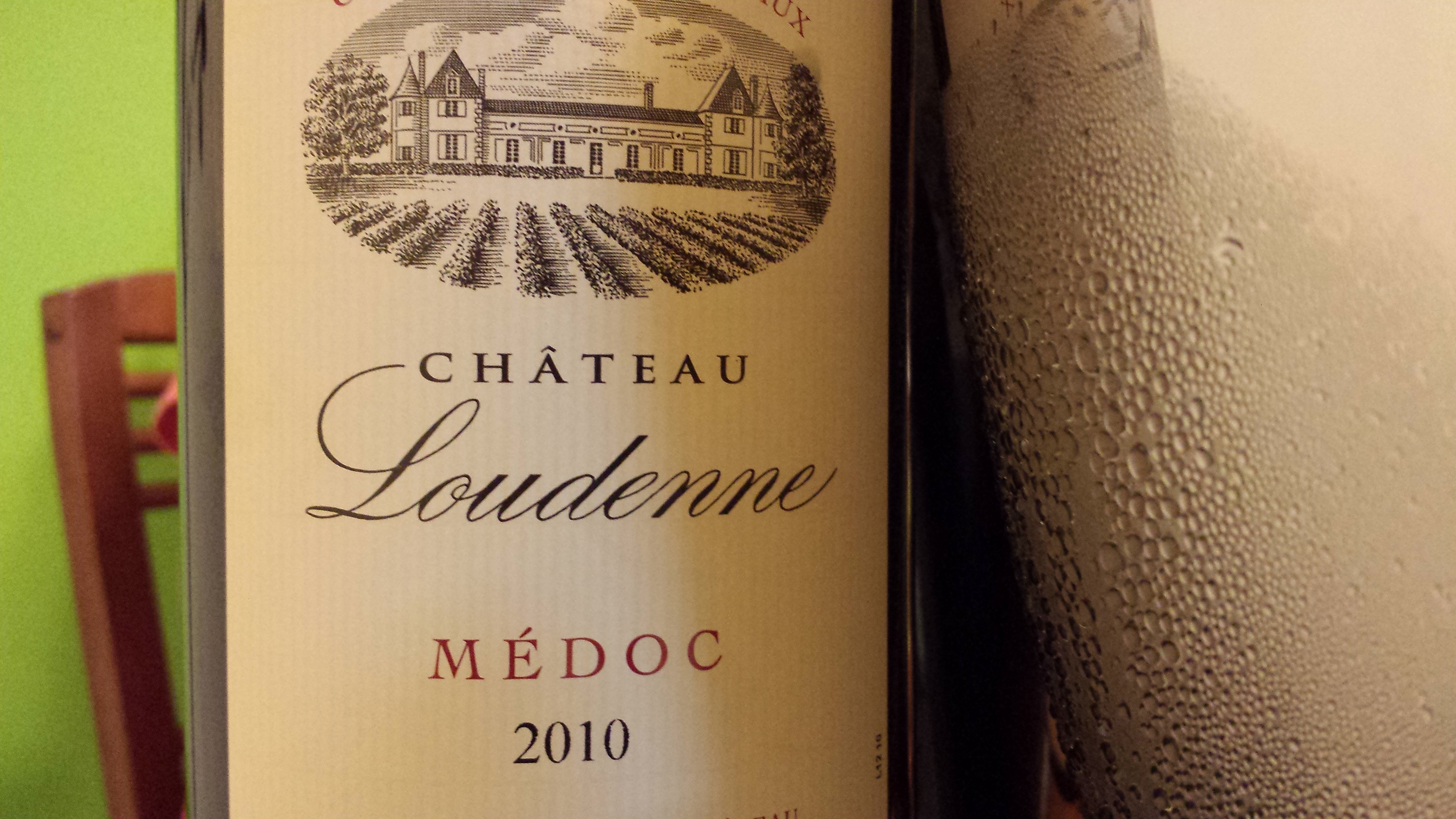 Immediately pleasing with its understated sweetness along with notes of melons, apricot and tropical fruits, medium-bodied. Typically for Dr Loosen, though, the wine lacks concentration and complexity, made for early consumption.
Mansard NV, popped and poured at Tung Lok Signatures, Orchard Parade Hotel, 6 Mar 2014, with faculty from The Mayo Clinic . This champagne from Epernay, even though offered at a one-for-one deal (SGD128), is certainly not bad at all. Generous in body and saturated with yellow citrus and pomelo, its lively acidity cutting through the dense Cantonese cuisine with ease, its dryness just a tad overdone at the finish where notes of toast and gentle oak contrive to put up some semblance of complexity.
2008 Christian Moreau Pere et Fils Chablis “Les Clos”Grand Cru, two identical bottles drunk at Tung Lok Signatures, Orchard Parade Hotel, 6 Mar 2014, with faculty from The Mayo Clinic. Aromas of white flowers with some cream and vanilla, medium bodied and rounded, somewhat lean in fruit and minerality. Could do with greater presence and depth. I’d expected more from a Grand Cru.
2004 Ch Bernadotte, poured from two magnums after airing in bottle for over an hour at Tung Lok Signatures, Orchard Parade Hotel, 6 Mar 2014, with faculty from The Mayo Clinic. Rounded, soft and fleshy, perhaps more promising on the nose where generous notes of violets and blueberries dominate, translating only to an earthy medium-bodied wine that could do with more opulence and layering. The 2005 is preferable.
2009 Meo Camuzet Gevrey-Chambertin, two identical bottles drunk at Tung Lok Signatures, Orchard Parade Hotel, 6 Mar 2014, with faculty from The Mayo Clinic . Aired in bottle for over an hour. Lovely clear cherry red displaying excellent purity of fruit that has the right amount of weight and finesse with overtones of rose petals and ripe strawberries supported by mild minerality, slightly forward yet delicate enough without the usual obligatory saltiness. Very fine.
 2008 Louis Jadot Gevrey-Chambertin, a magnum decanted on-site at Otto Ristorante, 11 Mar 2014. Lovely purplish-violet in color with generous aromas of raspberries, rose petals and red cherries with a dash of camphor and violets, just the right level of extraction for a village wine that strikes a good balance between weight, depth and delicacy, the ripe fruit supported by understated minerality, replete with some fat in the mid-body. Admittedly, not much in terms of actual complexity at this stage, but it went really well with the medium-rare wagyu ribeye. Good stuff.
1990 Ch Cordet, an unclassified growth from the commune of Margaux. Would you take a gamble on a bottle of this wine for SGD69 off the shelf? Of course. Popped and poured at Jade Palace, 14 Mar 2014, its cork looking absolutely pristine. Distinctly medium-bodied, fully matured in color and on the palate. Slightly dry at first and low in acidity, very soft with primary notes of rose cordial and earthy minerality, eventually, gaining in intensity after an hour and with some food, broadening with further notes of violets, rose petals and a dash of tangerine, becoming fuller in body with transparent textures. Quite lovely, really.
2009 Domaines Leflaive Macon-Verze, popped and poured at Alex Wong’s residence, 23 Mar 2014. As with most Maconnais wine, this is somewhat lean with an even mix of clear citrus, pomelo and some grassy element, slightly soft at the edges, missing in mid-body fat and complex minerality that would have added so much more depth and character to the wine. Disappointing.
2010 Ch Loudenne (magnum), popped and poured on two separate occasions just a few days apart: first at Alex’s residence on 23 Mar 2014, again at the EMSS AGM at the Grand Copthorne Singapore, 25 Mar 2014, with consistent notes. Having been won over by this estate’s 2009 on board Singapore Airlines Business Class, I wasted no time in snapping up half-dozen magnums of the 2010 at only SG81 per magnum when I chanced upon it on offer at a local wine retail chain. I can hardly think of a better deal and I wasn’t disappointed. Dark purple. Fairly generous with aromas of ripe blueberries, raspberries violets and briar, medium-full and certainly benefitting from the excellent growing conditions although notes of enamel and new leather were still discernible. Very well crafted without any hard edges at a level of sophistication well beyond most cru bourgeois of the Medoc with superb integration of fruit and tannins, finishing with a tinge of graphite. I certainly couldn’t detect any hollowness nor any trace of vegetal character. It became slightly more relaxed after some time, putting on a bit more weight and opening up a little more, becoming broader and fuller with added notes of cedar. Very fine. This is a connoisseur’s red.
2005 Ch Lalande Borie, two bottles from the same batch tasted on two consecutive nights, both popped and poured, first at the Grand Copthorne Singapore, 25 Mar 2014, then again at Top Seafood, 26 Mar 2014, with consistent notes. 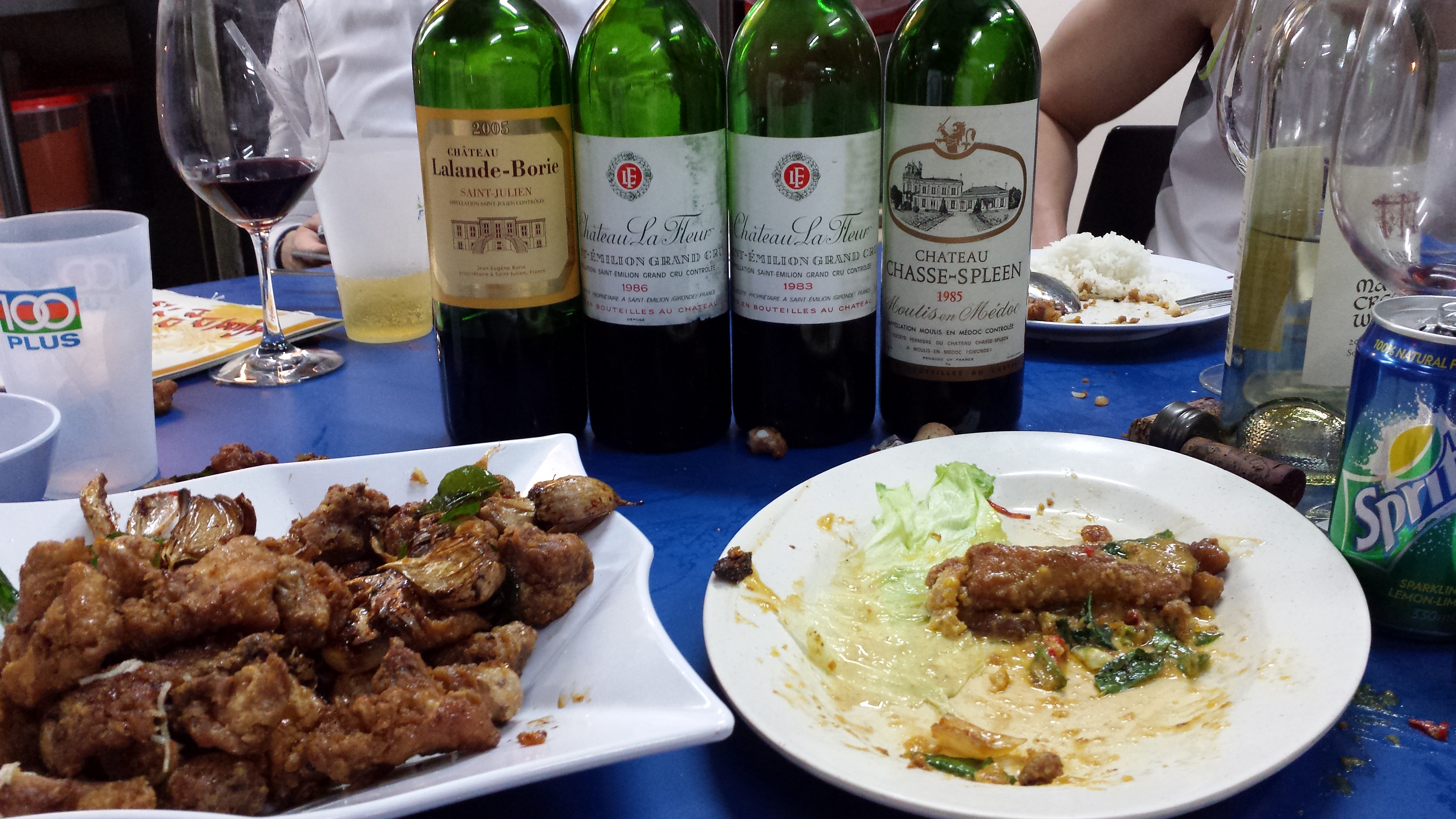 This is a very relaxed wine right from the first pour, very open and layered, slightly leathery in texture and saturated with ripe dark berries entering into a new phase of development, evidenced by more complex characters of mocha, cedar and cinnamon. Very good.
2009 Matanzas Creek Winery (courtesy Jeremy), popped and poured at Top Seafood, 26 Mar 2014, basically a coffee-shop (in Singaporean parlance) off Sixth Ave with cheap but excellent Chinese cuisine, but you bring your own wine and stemware. This sauvignon blanc was rather out of sorts, trying too hard with notes of nutmeg, spice, lemongrass, citrus and tropical fruits. Just too over-the-top for me, with some steeliness creeping in after some time.
1983 Ch La Fleur (courtesy Hiok), popped and popped at Top Seafood, 26 Mar 2014. Not to be confused with Lafleur of Pomerol. Uneven at first, the wine fading at the sides while struggling to maintain its core of fruit that is clearly past its peak, lowish in acidity with herbal notes and tertiary characters of old leather, cinnamon and a dash of apricot. It firmed up after some time and held course for the rest of dinner, but the 1986 below is far preferable.
1986 Ch La Fleur (courtesy KP), popped and popped at Top Seafood, 26 Mar 2014. Still very fresh and almost full-bodied after all these years with notes of raisins and cedar, still lively with a rising tannic spine towards the finish. Compared to the 1983, this is much firmer and broader right from the outset. Very good.
2010 Henri Boillot Savigny-Les-Beaune Le Lavieres 1er, at Crystal Wines’ sale on 29 Mar 2014. Attractive nose of raspberries and dark cherries with a good dose of earthy minerality, slightly salty in texture, certainly generous in body with a fair amount of fat, well-integrated. Very good. I bought two bottles.
2009 Ch German Marbuzet, at Crystal Wines’ sale on 29 Mar 2014. As expected from Saint-Emilion, a wine of good density and weight, medium-to-full bodied with predominant characters of dark wild berries, but just a bit too stern and steely for my liking.
2008 Frank Phelan, at Crystal Wines’ sale on 29 Mar 2014. Second wine of Phelan Segur. Touch of green and forest floor and earth. Supple with excellent mouthfeel, lacking in charm but otherwise correct.
2005 Ch Preuillac, at Crystal Wines’ sale on 29 Mar 2014. Disappointingly short on the nose and palate. Perhaps it deserves a re-tasting?
2009 Bernadotte, at Crystal Wines’ sale on 29 Mar 2014. Regular readers will know this is one of my trusted favorites in good vintages. The 2009 has fleshed out significantly since its release two years ago. Great color – glorious deep purple. Notes of heated stones, saturated with ripe dark and red berries, a touch of briar, raisins and toast. Mildly tannic and laced with lively acidity, yet to shed its cloak of enamel. Great potential. This wine will be long-lived. Get some magnums for keeps if you can.
2010 Fleur de Clinet, at Crystal Wines’ sale on 29 Mar 2014. Although a second wine, I must say I was quite taken by its weight and fullness, displaying attractive dark ripe berries with some bright spots and a touch of earthy forest floor. But second wines are getting ridiculously expensive.
2002: Cos DÉstournel & Leoville Las-Cases
This was a blinded tasting at Jade Palace, 9 Mar 2014, with the renowned thyroidologist Dr Robert Levine who also possesses extensive experience in Bordeaux along with a remarkable palate and, hence, came about this dinner. 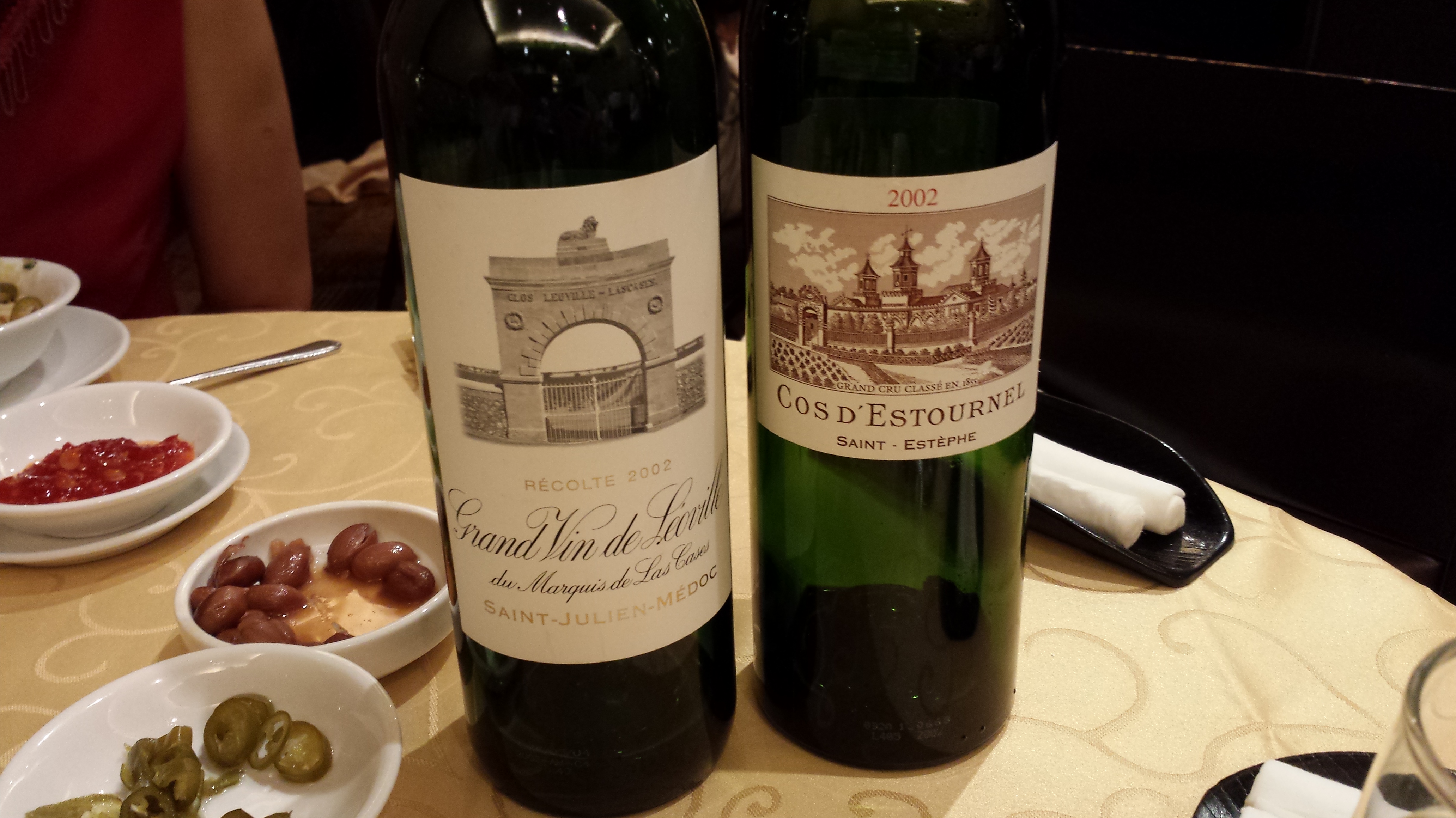 Both bottles had been purchased shortly after bottling and stored in my cellar thereafter, and both were decanted on-site at the restaurant and tasted simultaneously. The 2002 Ch Cos DÉstournel, deep dark red in color, bolted off the starting block with an abundance of black fruits that hinted at a full-bodied wine, beautifully structured with a firm ferrous tone, framed by sophisticated svelte tannins. It loosened up very quickly, becoming much softer and more relaxed for a stretch of time that allowed more nuances of sweet dark berries to emerge amidst traces of cedar before growing again in intensity with early secondary characters appearing. This wine has evolved significantly since my last tasting note in January 2012 (see post), having shed its heavy cloak of wood and dusty tannins, managing on this occasion to put on some charm and warmth, just missing in outright opulence. Clearly, it carried enough typicity about itself, for Bob was spot-on in declaring “it tastes like Cos!”.
In contrast, the 2002 Ch Leoville Las-Cases, which I’d never had, took its time to develop. Very dark and opague. I thought it seemed more reticent on the nose at the first pour compared to the Cos (although Bob thought otherwise) but its bouquet was soon dominated by dense black fruits laced with the tell-tale graphite quality of the unique Saint Julien terroir.  Like the Cos, it too underwent a period where it became softer and more accessible, with textures that were more layered and open, although its stern demeanour remained. Then came a spectacular transformation where the contrast between the gorgeous black fruits and the tight sexy tannins snapped into focus, striking a wonderful harmonious balance, growing in breadth and seductiveness with traces of sweetness creeping in, displaying a level of concentration, depth and sophistication that only estates with true class and breed can produce. In my opinion, Leoville Las-Cases is truly a premier cru, and its quality in this so-called off year is testimonial to that.
Both wines are yet to peak. While the Cos is drinking very well now, my vote goes to the Las-Cases which has, at least, another two decades ahead of it.
Feb 2014: 1986 Tour du Haut Moulin, 1986 Gruaud Larose, 1996 Pichon Baron, 2005 Leeuwin Art Series Chardonnay…
 2006 Peccavi chardonnay, popped and poured at Roland restaurant, 2 Feb 2014. An abundance of cream and buttery notes with a touch of light citrus and pomelo, coupled with crisp minerality. Leaner compared with its Margaret River cousin the Leeuwin below and certainly more transparent as a result. A good drop.
2009 Domain Road pinot noir, aired in bottle for about 45 minutes prior to serving at Roland restaurant, 2 Feb 2014. Consistent with previous tasting notes, this pinot from Central Otago is a bit too dark and dense for its own good, imparting a certain heaviness on the palate that cannot be camouflaged by notes of dark cherries, raspberries and wild flowers.
2005 Leeuwin Estate Art Series Chardonnay, aired in bottle for 30 minutes prior to serving at Imperial Treasure T3, 6 Feb 2014, on the occasion of Mom’s 83rd birthday. Highly aromatic, generous dose of crème de la crème, rich buttery spread, cashews and a touch of vanilla, supported by crisp minerality and fresh acidity on the palate, turning a tad stern with a dash of steeliness creeping in at the finish after some time. In spite of its relative opulence, I feel it still lacks the last ounce of real complexity and typicity that comes so easily with actual Burgundy.
1986 Ch Gruaud Larose (courtesy of Ellen), at Parkway Pantai’s Lunar New Year dinner at the Pan Pacific hotel, 7 Feb 2014. Dull dusty red in color, fully matured, but now displaying a certain awkwardness and disjoint. The bouquet is certainly quite enticing with notes of toast, sultanas, old leather, cinnamon and cedar all served up in a generous glow, but doesn’t quite live up to its promise on the palate where the fruit is alarmingly short, just a shell of spicy alcohol and acidity. 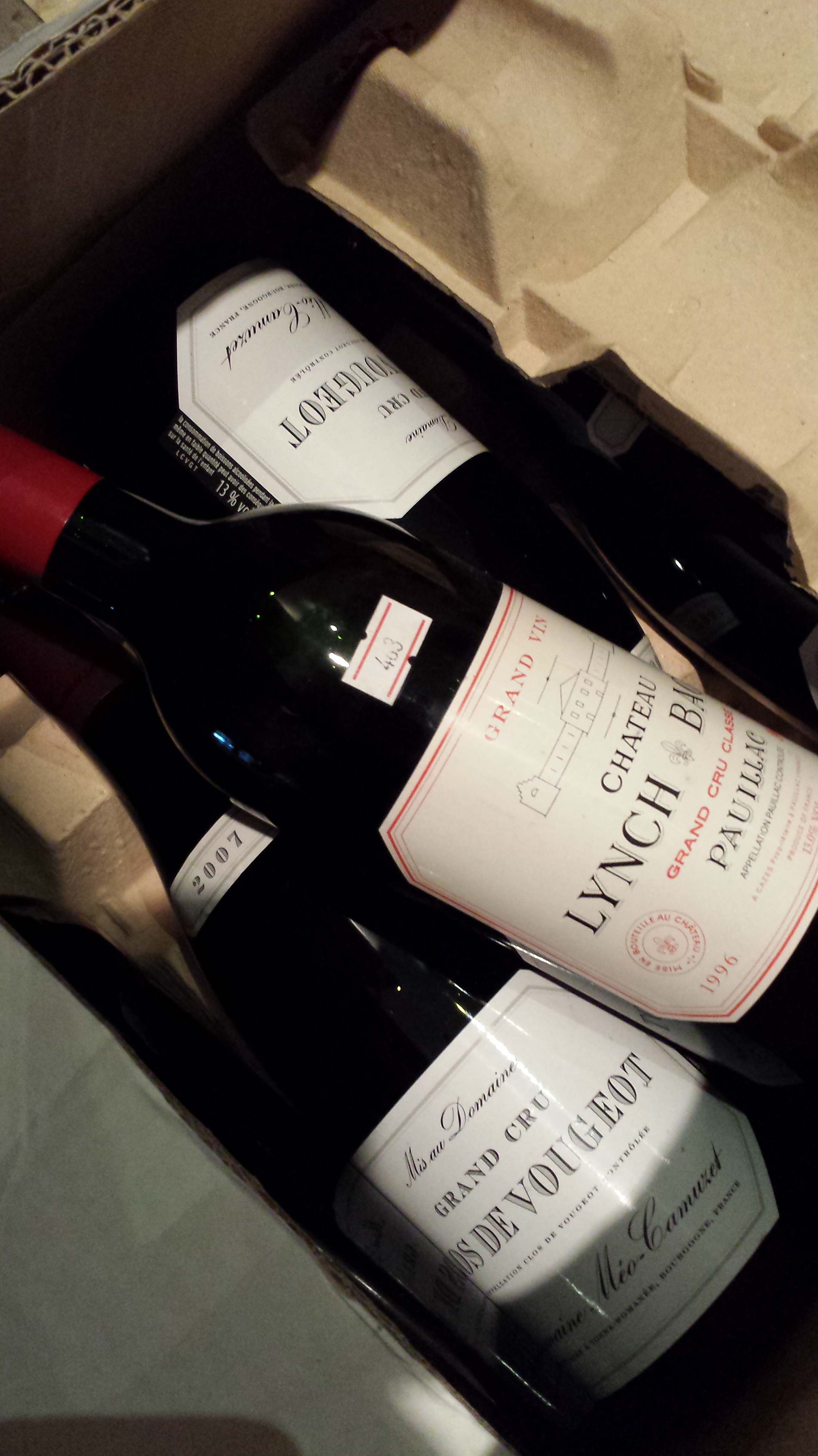 Perhaps this bottle hasn’t been properly stored, for I don’t recall this wine to be in danger of fading when I last had it in 2012. Will reserve judgement.
1996 Ch Pichon Longueville Baron (courtesy of Ellen), at Parkway Pantai’s Lunar New Year dinner at the Pan Pacific hotel, 7 Feb 2014. Popped and poured. The initial bouquet is dominated by an overwhelming earthy pungency that blew off quite quickly, allowing the classic Pauillac signature of snuff box, dried mushrooms and tea leaves to appear. The fruit, a good balance of red and dark berries with a touch of camphor, is still rather backward, the wine stern and structured, veering towards a slight excess of dryness, robbing it of opulence and charm. But this is still very fine, nonetheless.
2001 Ch Pichon Longueville Comtesse de Lalande (courtesy of Ellen), at Parkway Pantai’s Lunar New Year dinner at the Pan Pacific hotel, 7 Feb 2014. Popped and poured. Something distinctly distressing about this bottle, the wine appearing much more evolved than expected for a 2001, dry and weedy and alarmingly short of fruit. I don’t recall the 2001 Pichon Lalande being in danger of fading the last time I had it 3 years ago. Must be a poorly-kept bottle.
2007 Meo Carmuzet Clos de Vougeot Grand Cru (courtesy of Ellen), at Parkway Pantai’s Lunar New Year dinner at the Pan Pacific hotel, 7 Feb 2014. Popped and poured. Notes of strawberries and cherries dominate along with some earth and leafy overtones but, again, the fruit is rather backward and uninspiring, rendering the wine almost nondescript. Not befitting of its Grand Cru status.
2008 Reynella Basket Pressed shiraz, popped and poured at Bistro 103, 8 Feb 2014. I’d been searching for this McLaren Vale single vineyard shiraz ever since I tasted it at the cellar door of Hardy’s back in Dec 2012, but absolutely to no avail in Singapore. I finally chanced upon it at duty-free at Jakarta international airport. Full-bodied and dense, displaying an excellent concentration of red plums, licorice, dark currants, black pepper and roasted meat, rich and savoury and utterly smooth with very fine tannins, slightly spicy towards the finish. Very well crafted, though I’d say it’s still a notch below the Elderton Command shiraz as well as Hardy’s own Eileen Hardy shiraz, but the latter sells for twice the price. Very good.
2010 Denis Mortet Bourgogne Rouge de Noble Souche, popped and poured after hours at Arden Endocrinology, 12 Feb 2014. This wine has some good things going for it, in spite of its generic status. It took quite a while for the fruit to emerge but when it did, there was enough of fragrant red cherries and strawberries to balance against the rich salty minerality, though there wasn’t much in complexity and depth. Definitely agreeable at below SGD50.
 2006 Ch Smith Haut Lafitte, decanted for 2 hours prior to tasting at home to an afternoon of music from the great masters, 16 Feb 2014. Dark red with very good concentration and balance of predominantly dark berries and blackcurrants with occasional bright notes, the wine largely tempered by a distinct ferrous minerality that, I suppose, is the contribution of the Pessac-Leognan terroir. It became more relaxed and open with further aeration, with eventual notes of raspberries, coffee and mocha emerging, rounded and supple. A good drop, provided the price is right.
2005 Kilkanoon cabernet sauvignon, a glass courtesy of SS, to go with a USDA ribeye at Pasar Bella, Turf City, 21 Feb 2014. Dark and opague, disjointed notes of licorice, mocha, twigs and more than a touch of green and wild berries. I don’t think Clare Valley is suitable for cabernet.
2000 Ch Grand Corbin at Imperial Treasure T3, 25 Feb 2014. Popped and poured. Deep purple. Generous with aromas of blueberries, soy, violets and herbs, quite full on the palate where the excellent ripeness of the grapes make a delicious impact, laced with sweet glycerin and some earthiness, that led to a long and lasting finish, albeit with a touch of ferrous austerity, gaining in breadth and depth of fruit after an hour with further aeration and food. At SGD89, this is excellent value.
1986 Ch Tour du Haut Moulin, popped and poured at Foo House, 26 Feb 2014. At only SGD65, with its capsule and fill level looking quite pristine, it was definitely worth a gamble. Its cork was dessicated, but the wine turned out fine. Dull dusty red and, as expected, lowish in acidity and alcohol with tannins that had dissipated long ago, but the fruit was still quite well and alive, offering notes of tangerine, red plums and cedar, rustic in feel and texture. 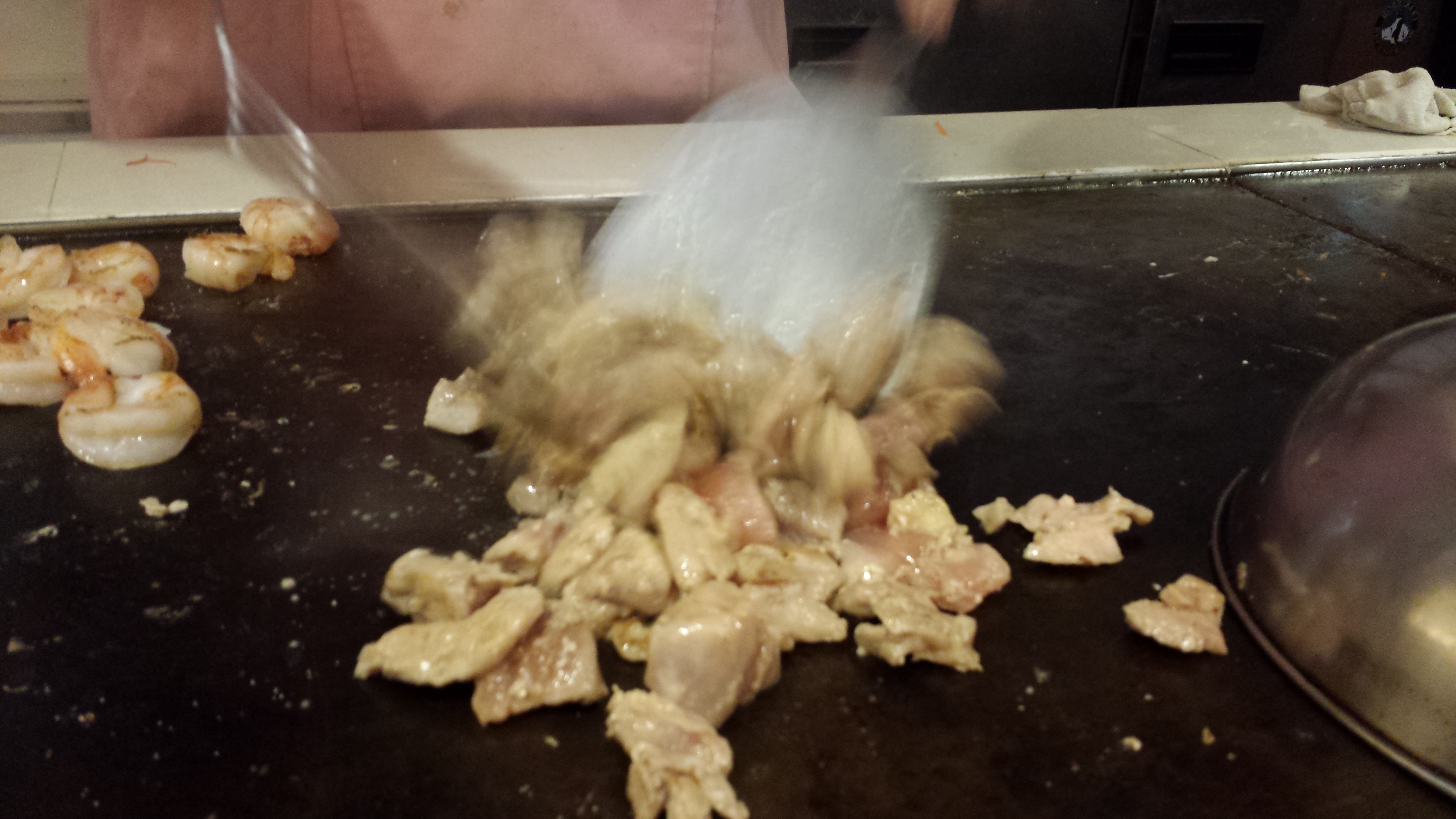 Somewhat soft, but it put on weight very well over the next hour, snapping into focus and broadening in intensity although the fruit was beginning to fade. A good drop, by any standard.
2009 Ch Macay, popped and poured at Iroha, a teppanyaki establishment run by chef Akimasa Sekiguchi and his wife at 392 East Coast Road. I had high hopes for this Cotes de Bourg, having had a strong 2007 before. However, the 2009 was far too backward, resulting in a medium-bodied wine dominated more by graphite minerality and wood. Certainly, it grew in intensity with more of raspberries and dark cherries emerging to match the acidity, but it could do with more body, concentration and weight. In spite of the stellar vintage, this came across more like a second wine of a lesser growth.
Hugel & Fils in Singapore
I had the opportunity to attend a lunch organised by the Alsace Wine & Gastronomy Society, courtesy of its founder Julian Teoh, on 11 Jan 2014 at Bar-Rouge, Amara Hotel, Singapore, featuring the wines of the famous Alsace producer and negociant Hugel et Fils with its proprietor Etienne Hugel, and his lovely Japanese wife, in attendance. 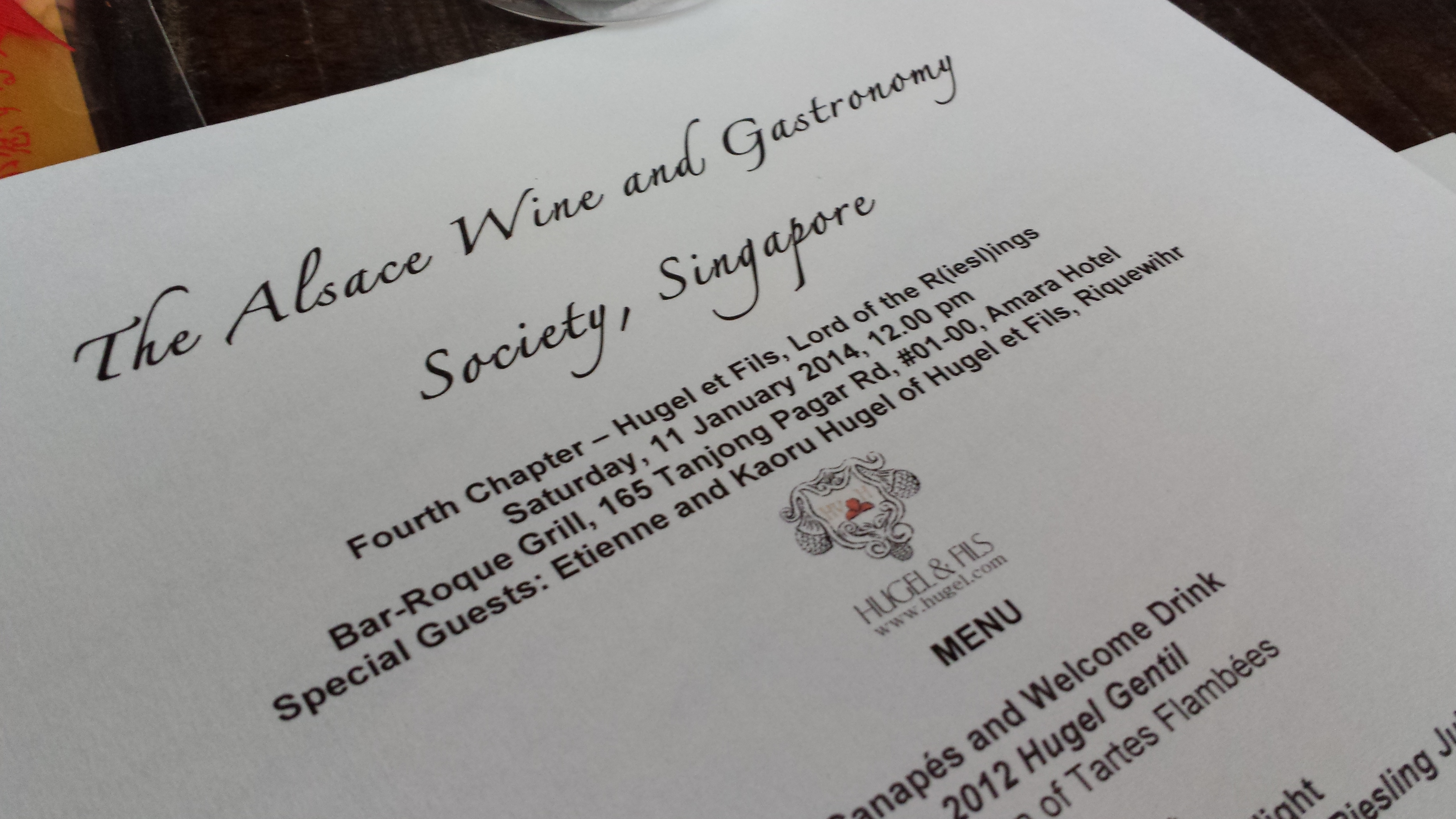 Stephan (and his mother!) conjured up a meal that would have been perfect for any table in the south of France and we were set.
To start the afternoon rolling, the 2008 Hugel Pinot Gris Jubilee was served as the aperitif while we waited for everyone to arrive, muted with a faint grassy note though it was much better on the palate, displaying good weight with notes of tropical fruits and burnt sugar although it still came across as somewhat simple.
Once we were seated, Etienne poured an unusual entity in the line-up, a 2008 Hugel Pinot Noir Jubilee that was quite correct in color but otherwise nondescript, with just faint notes of red cherries that was really unremarkable. Stick with real Burgundy. 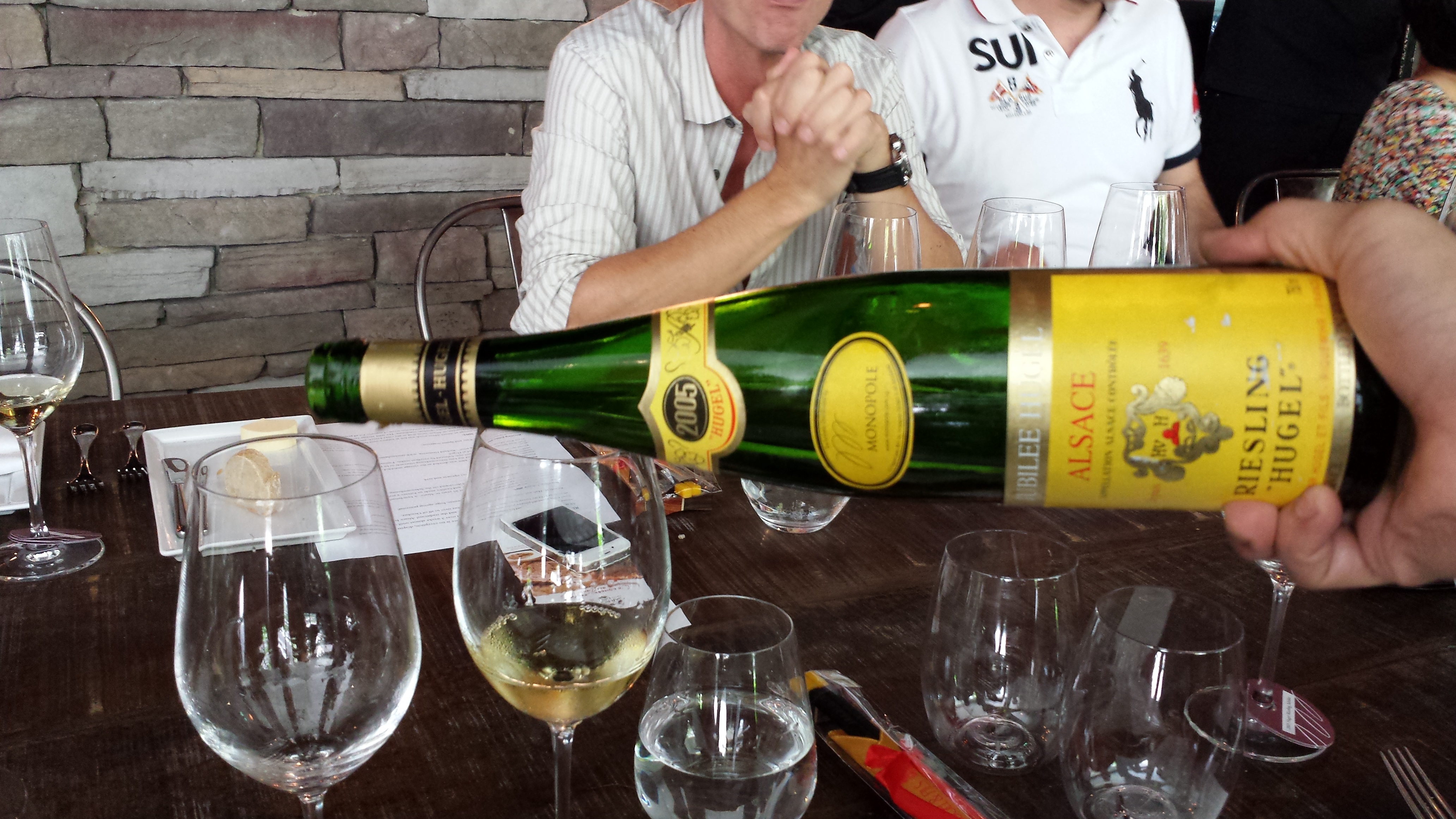 This was followed by the 1998 Gewurztraminer Hommage a Jean Hugel that was most promising on the nose with an abundance of lychee and honey though its acidity was beginning to slip, lacking complexity and depth initially although this was soon corrected with food.
The real charge began thereafter with the 2009 Hugel Riesling Vendange Tardive, which was a notable step up in sweetness compared to what had been tasted earlier, delicate in minerality, remarkably balanced and smooth with some lovely complexity at the finish. Excellent. The 2012 Hugel Lentil that followed was considerably lighter in body, grassy with refreshing crisp citrus, becoming weightier after some aeration.
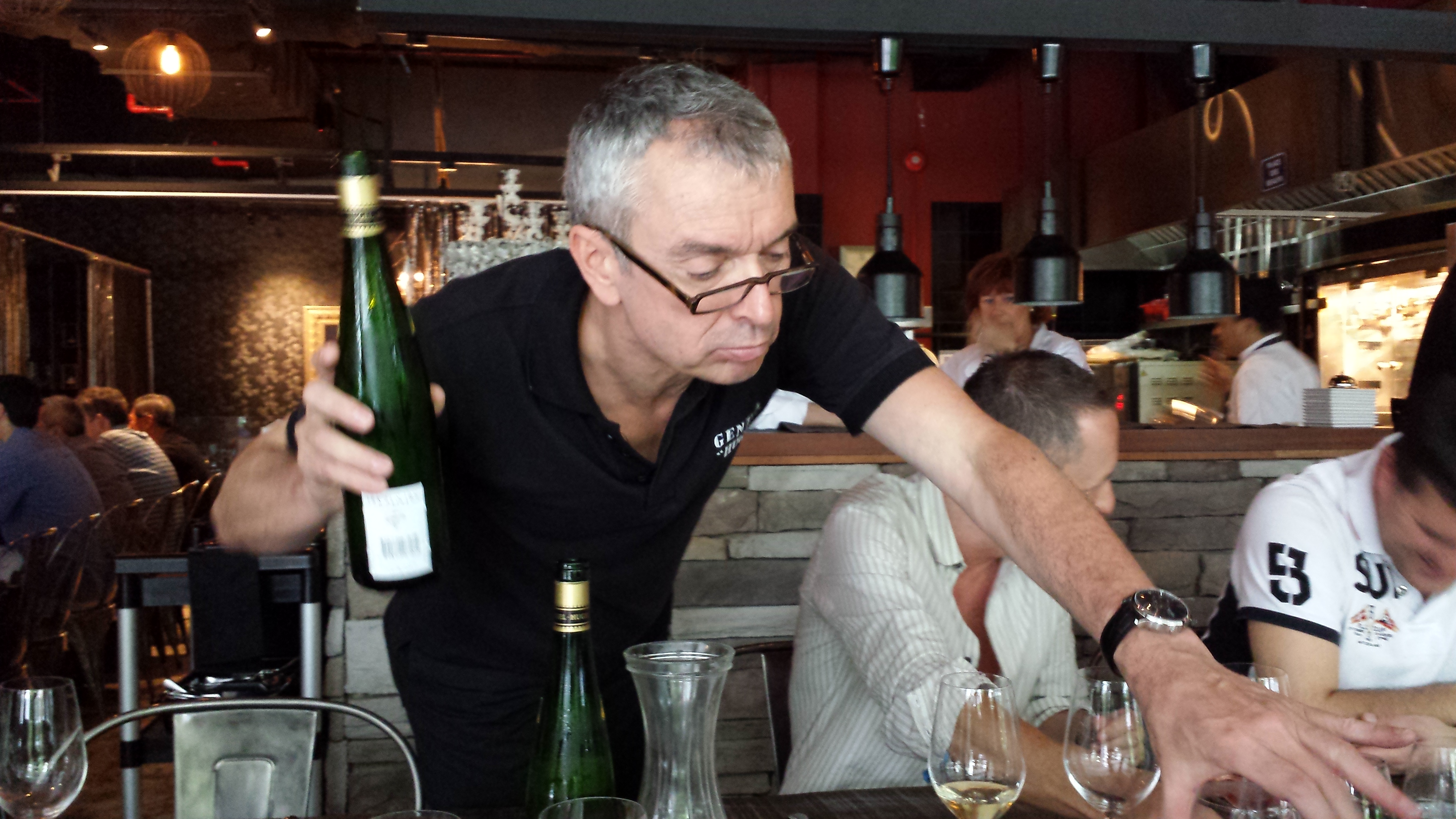 The highlight of the afternoon was a quartet of Hugel Riesling Jubilee which provided scope for some fascinating comparison. The 2007 displayed subtle hints of tropical fruits and floral notes, painting the palate with broad bold strokes of great concentration and intensity, already fairly open with a lovely breadth and depth, superb potential but still far from ready. The 2010 was similarly intense but tighter with an abundance of nectarine and a dash of apricot. The 2001, with the advantage of bottle age, was, not surprisingly, the best of the lot, most enticing with lifted aromas of sweet nectar and honey, open with complex minerality and a wonderful mouthfeel, tapering to a long lasting finish. Drinking superbly. Holding its ground alongside the rest was the 2005, again excellent in concentration, smoky with notes of burnt sugar and tropical fruit amidst its crystalline minerality, growing in intensity over time with a mild steely note towatds the finish.
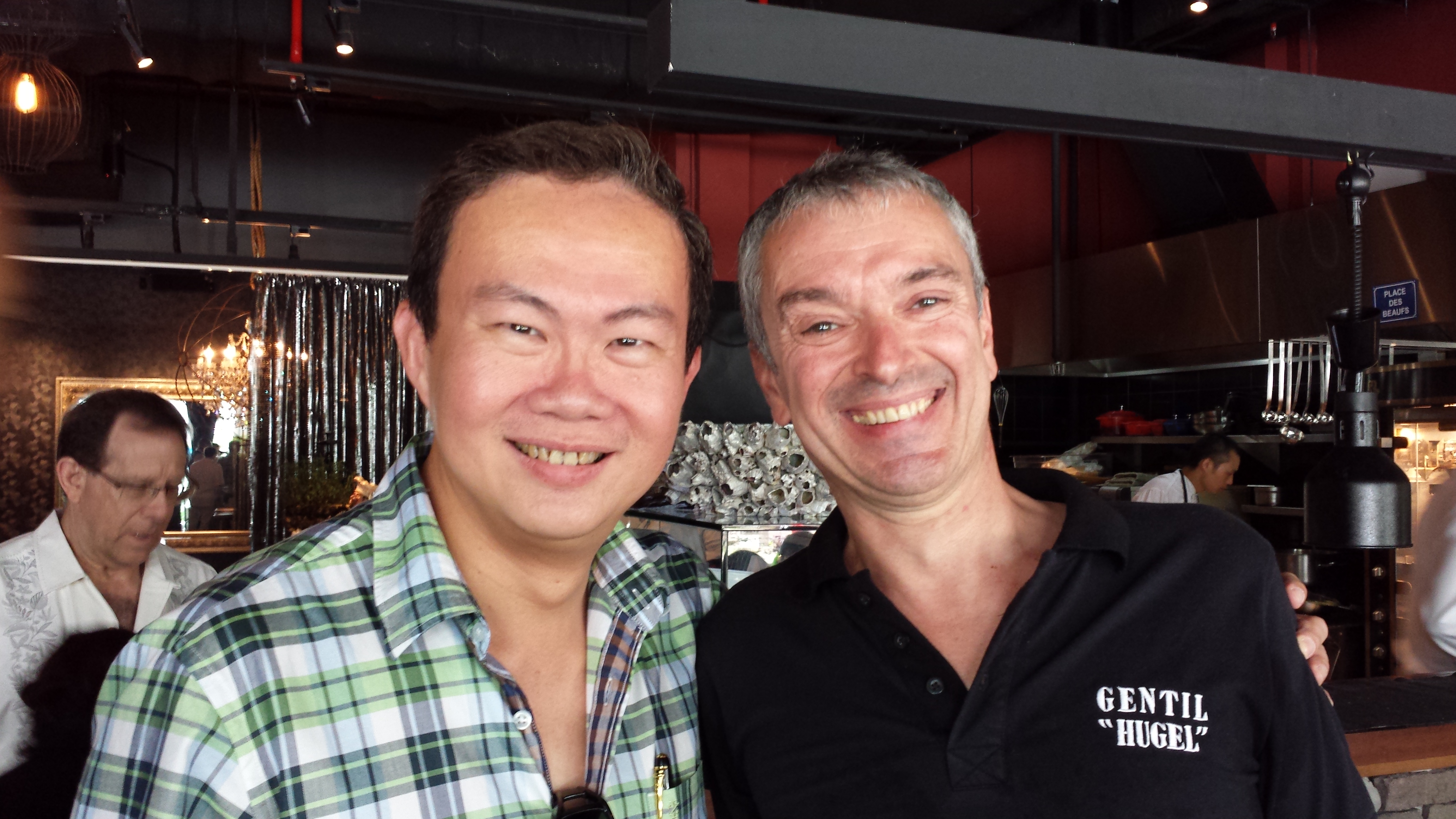 Perhaps the best was left till the end. The 2009 Hugel Riesling Selection de Grains Nobles was lively and deep with primary characters of apricot, burnt caramel, honey and nectarine, rematkably balanced and long and obviously will require considerable cellaring to develop its full potential. And finally, the piece de resistance, in the form of the 1999 Hugel Riesling Selection de Grains Nobles, displaying a deep luscious golden hue, was still laced with just the right degree of subtle acidity in spite of considerable bottle age, multi-dimensional with dominant notes of deep honey and caramel, absolutely superb in its purity, depth and length. Quite sensational, bringing the afternoon to a very satisfying conclusion. Thanks, Julian.
One Or 100
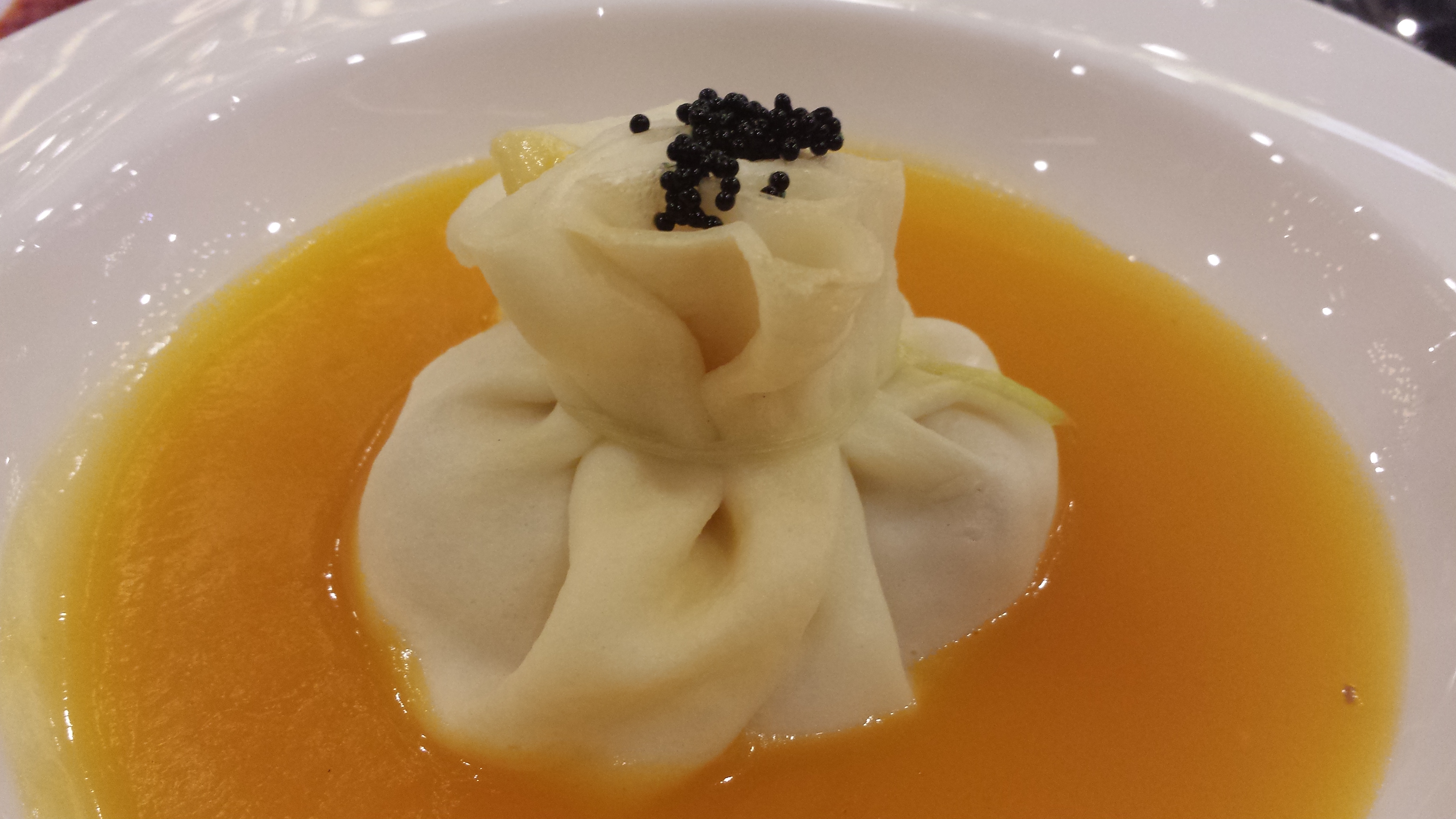
I had the privilege of attending a fund-raising dinner at Gardens By The Bay, Singapore, 28 Nov 2013, part of The Giving Tree project organised by NUHS in aid of the less fortunate. Given that the evening’s theme was all about giving generously, and this being a black-tie event, I didn’t think it was too difficult for like-minded members of Bacchus, conveniently placed at the same table, to match the lofty wine theme of “One Or 100”, meaning a Bordeaux First Growth (or its recognised equivalent, non-Bordeaux estates accepted as well) or a wine rated 100 points by Robert Parker Jr. No other planning was done and when I showed up, it was good to find that everyone had matched up perfectly. In fact, w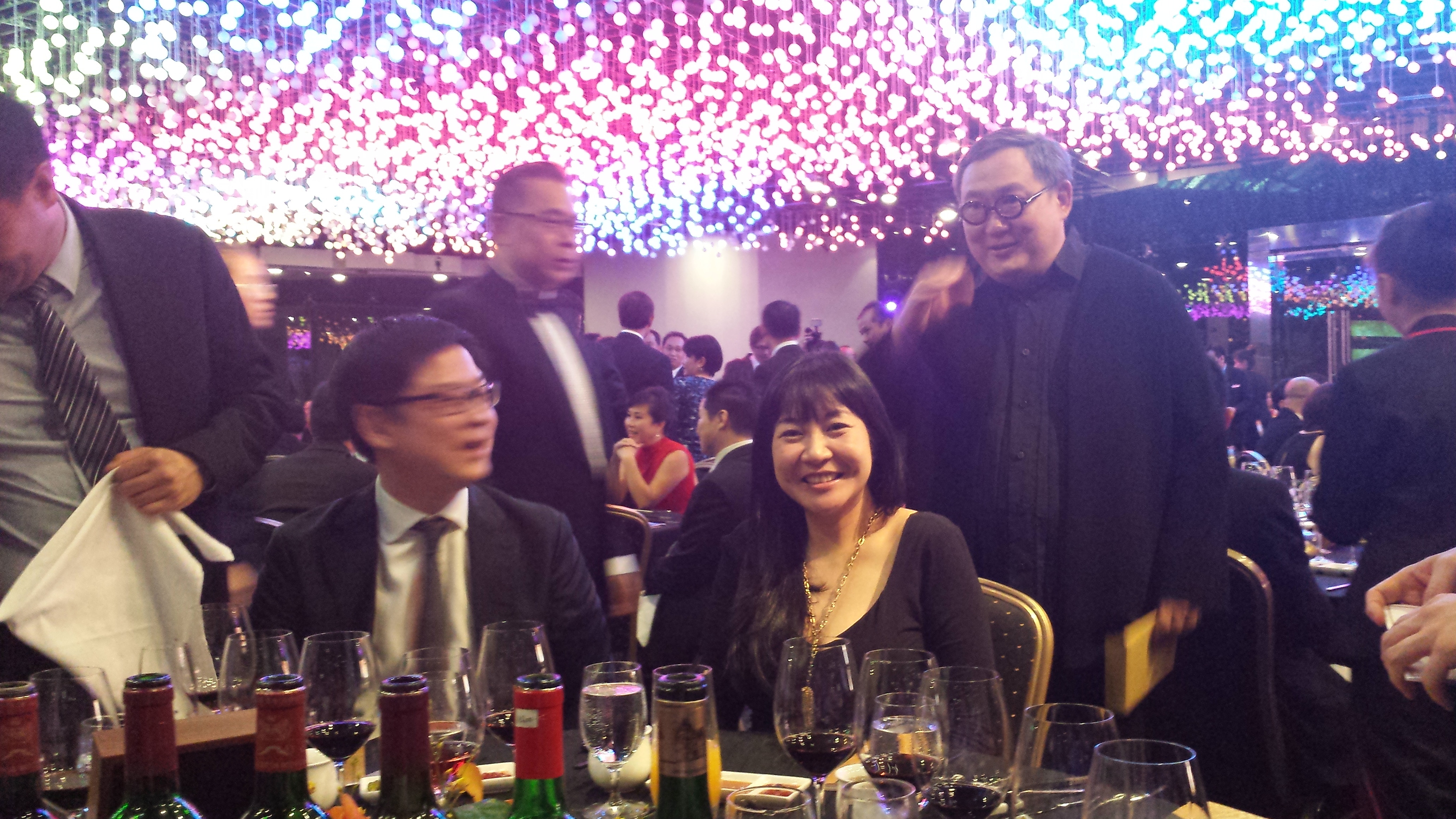 hat a stunning line-up it turned out to be, and it was no surprise that even people like Ignatius Chan (of Iggy’s fame), Timothy Goh (Les Amis) and Angelina Teh (Bordeaux Index) all gravitated to our table. All wines were aired in bottle between 30-60 minutes prior to tasting.
As Vinum Fine Wines was one of the proud sponsors of this event, it was not surprising to find a free flow of one of their agency brands, Bruno Paillard Premier Cuvee Brut NV, as the aperitif. This was quite lovely, displaying subdued citrus with measured notes of nutmeg, white roses, vanilla and sweet pomelo, very well-balanced with further notes of toast and yeast appearing much later.
 We began south of Bordeaux city with the 1999 Ch Haut Brion (courtesy Vic) which, to our surprise, still appeared primal, utterly rich with a smooth intensity that yielded a superb mouthfeel with traces of vanillin oak still discernible amidst the sophisticated fine supple tannins, already quite open at this stage and becoming accessible now, growing in complexity over time as further notes of bright cherries and raspberries emerged, lifting its aromatics to greater heights. Totally under-rated, and I’d suggest you get a case of this if the price is right. A superb start.
It was a distinct pleasure to taste the next two wines together. I’ve heard and read so much about the 1998 Penfolds Grange (courtesy Danny) ever since I got hooked on wine but this was the first time I’ve had a chance to experience it. Contrary to popular belief, Aussie reds can age really well and this bottle of Grange proves that point. A deep and generous bouquet of menthol, mint and herbs from the wonderfully ripe shiraz led to an expansive canvas of dark plums and tangerine on the palate, utterly rich and opulent, the expert craftsmanship ensuring the wine remained at ease in spite of its hedonistic qualities, tapering to a long and lasting finish. Purists will object to the multi-district blend of shiraz that Penfolds favours for its Grange, but one could easily be persuaded that it works. Truly one of the very best examples of Aussie shiraz that I’ve had, masculine and lithe as opposed to the enticing grace and elegance of its great rival, Henschke’s Hill of Grace. Great stuff. 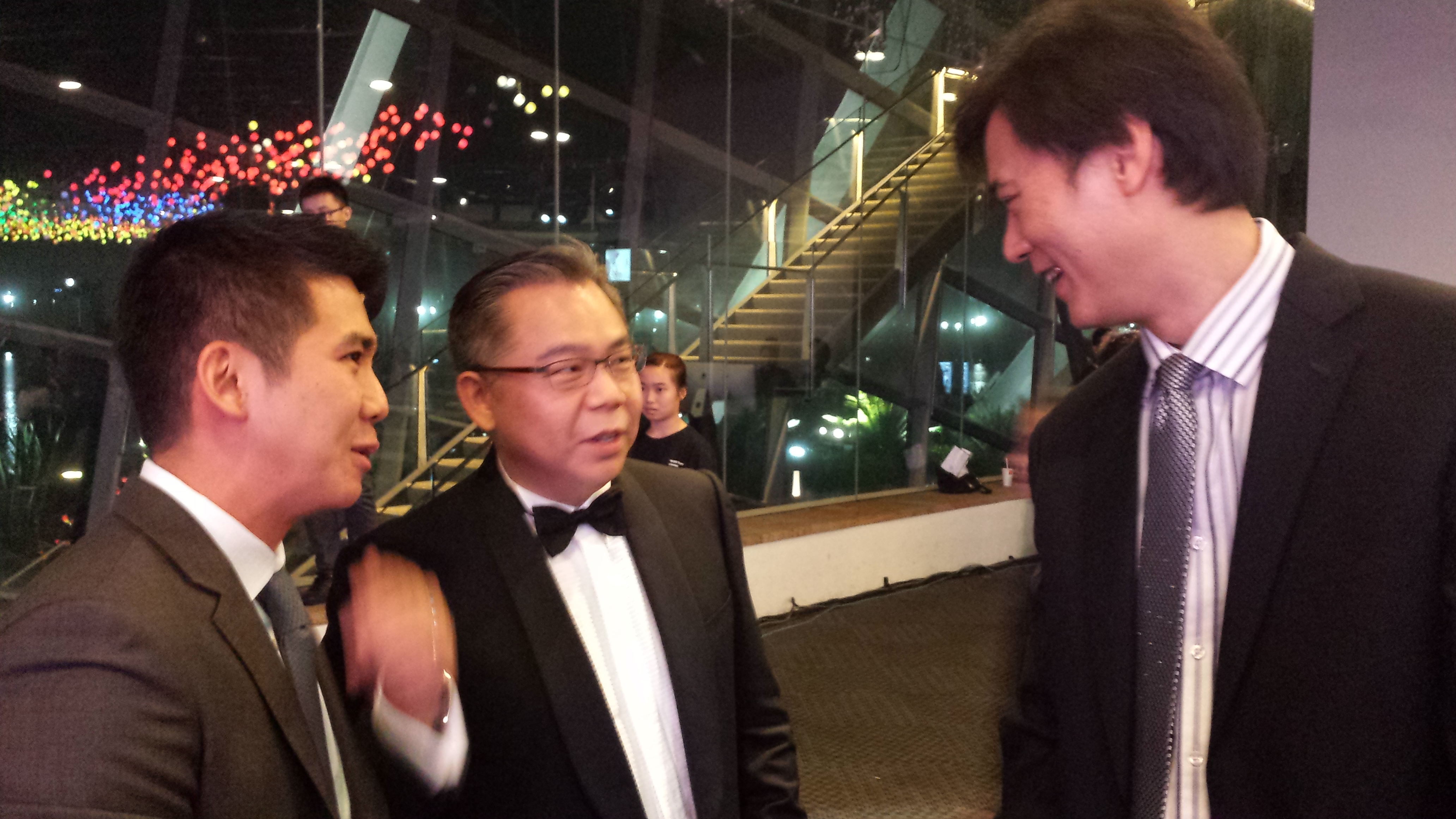 Tasted alongside, the 1998 Vega Sicilia Unico was just as effusive on the nose, but distinctly more Old World in character with complex characters of cedar, cinnamon, red plums and kumquat, medium-full and beautifully layered and open. Highly distinctive, leaving a more lasting impression thanks to its ever-evolving complexity over time compared to the Grange. Really excellent.
The next three wines were truly outstanding. The 1995 Ch Mouton Rothschild (courtesy Pipin), exhibited an ample lovely pungency of mushrooms, snuff box and earth, leaping out of the glass along with a powerful glow of tea leaves and dried plums only possible from a Bordeaux breed of distinction. The palate is saturated with ripe dark berries, black fruits and a dash of red plums, superbly balanced, matched by sophisticated tannins to produce great structure and definition all the way to its lasting finish. A great Mouton, which made it all the more difficult to believe that it could be so different from a similar bottle tasted back in 2011 at a Mouton vertical (see Feb 2011). Paired with this was the 1996 Ch Latour (courtesy Hiok), which had the advantage of having been double-decanted prior to dinner. Well, there isn’t much about this estate that hasn’t been said or written about, safe to say that it outshone the Mouton in breadth and depth. 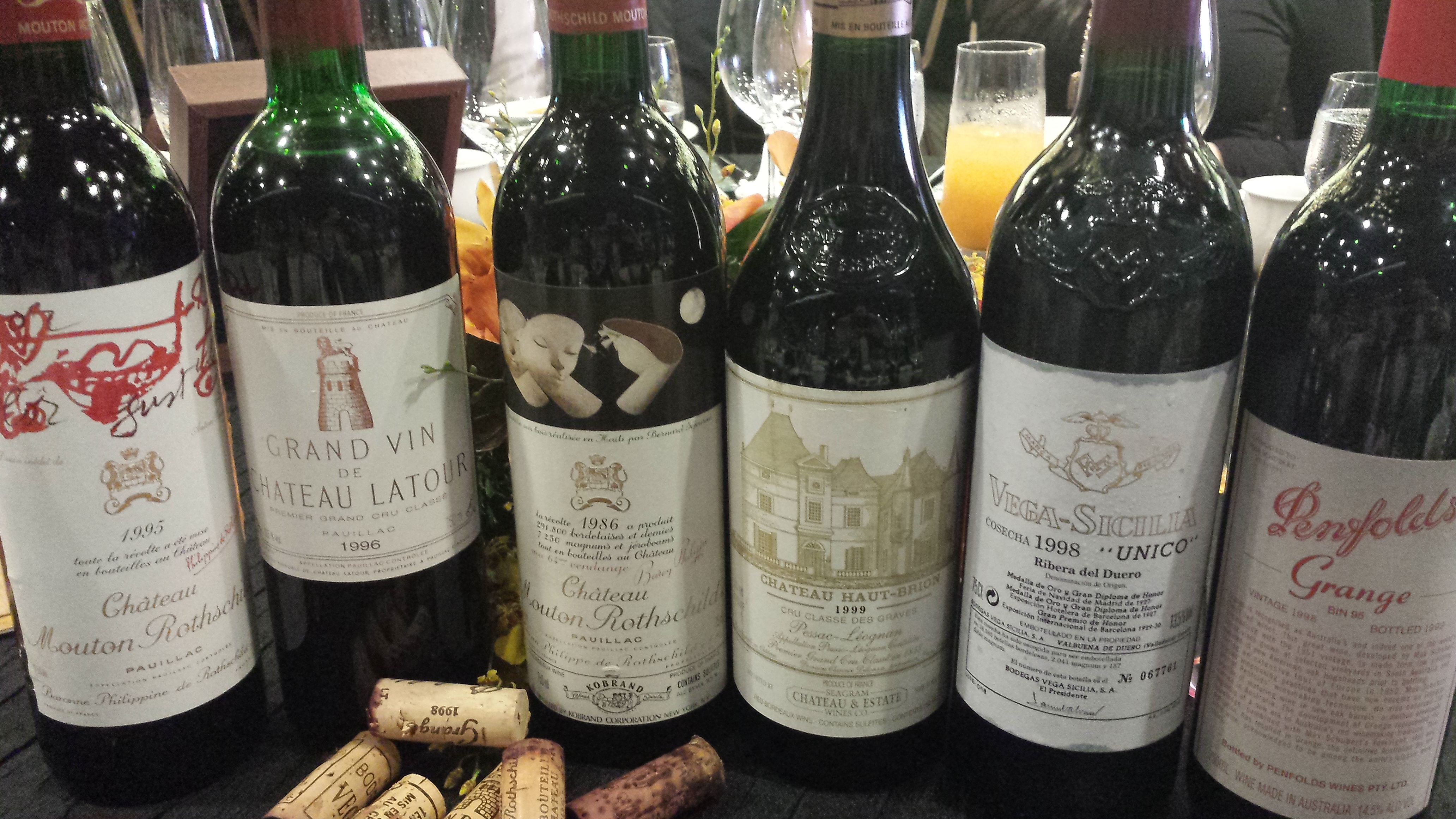 Whereas the Mouton had seemed exuberant, perhaps even hedonistic in the French manner, the Latour was the perfect study in understatement, layered with glorious black fruits, dark currants and complex minerality of unfathomable depth, yet poised and relaxed on the palate, utterly natural and effortless in establishing its identity whilst further nuances of cinnamon and cedar continued to unfold over time. Truly outstanding.
And, finally, for the piece de resistance, a wine that hit the target for the theme on both counts, the 1986 Ch Mouton Rothschild (courtesy KP), a wine that, thanks to the generosity of fellow Bacchusians, I’ve had the privilege of tasting on several occasions, never failing in its consistency. In spite of its age, the 1986 Mouton tastes only like all of 10 years, complex, big and open, superbly balanced, yielding gorgeous definition with great depth of redcurrants, dark berries and a touch of tar, remarkably smooth and effortless in expression, its Pauillac signature remaining understated. The perfect wine? Perhaps, but this has been a perfect line-up for a wonderful evening of dining and camaraderie. Thanks, Kieron, and to everyone at Bacchus for their contributions.
Chateau Angelus 1993 & 1996
A casual dinner at Burlamacco Ristorante, 22 Oct 2013, where John and I happened to bring a bottle each of Ch Angelus without having made any prior arrangement. Great minds, indeed. Both were decanted on-site. To my surprise, the 1993 (courtesy John) proved to be robust and full with notes of red fruits, plum and cinnamon, solid and almost angular on the palate. This rusticity took time to settle, whereupon the initial nose of earth, saddle and aniseed had transformed into quite a lovely bouquet of rose petals and cherries, while its angularity gave way to svelte tightly-knitted tannins, though missing in charm. It remained this way till the last pour, where a metallic quality became discernible at the finish. 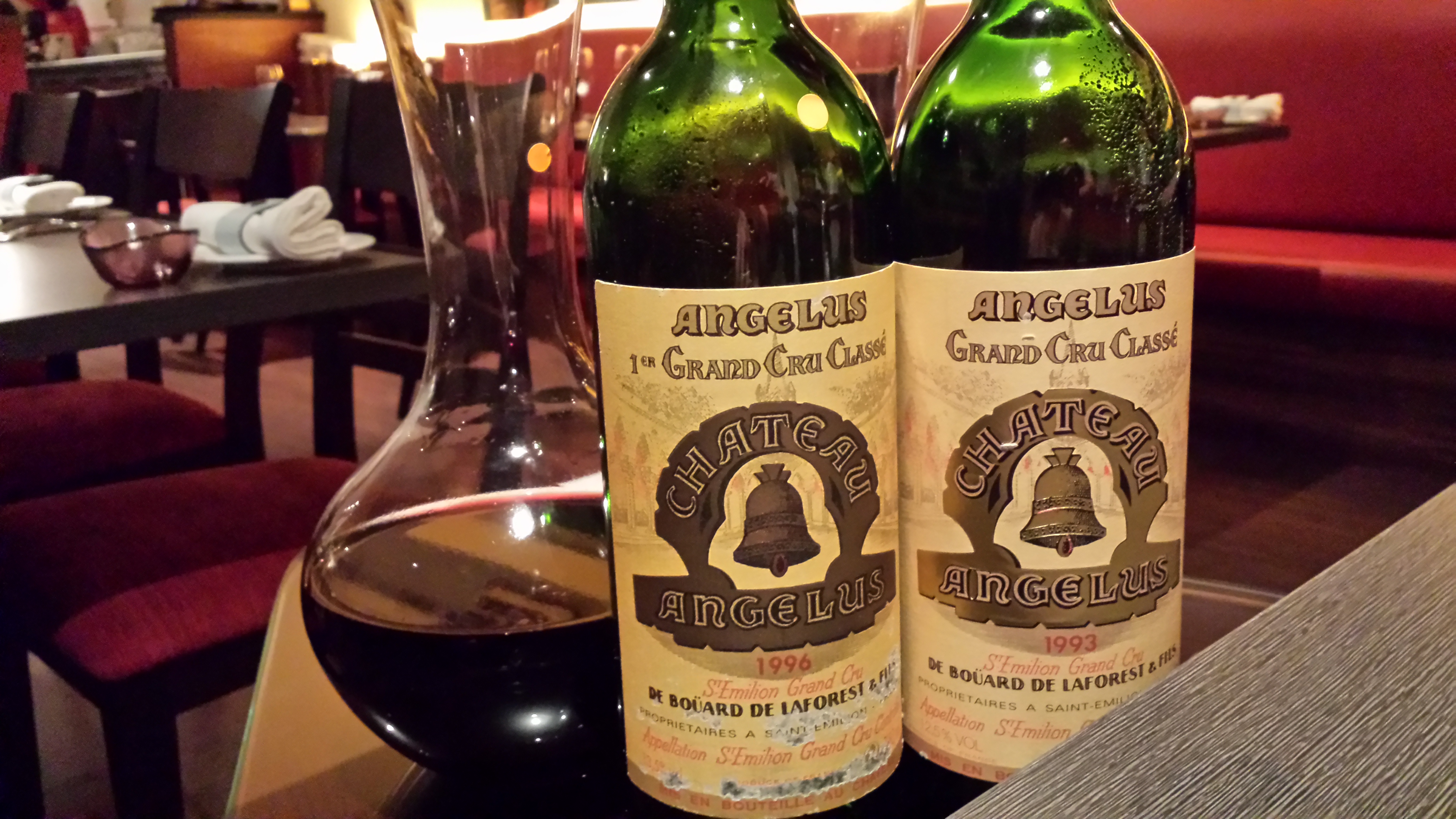 To some extent, the 1993 shared similar qualities with the clarets of 1994. Under-rated, and would prove to be an astute buy if the price is right.
In contrast, the 1996 showed up the deficiencies of the above right from the start, its distinctive fragrance and lifted floral bouquet led to an open wine with supple textures, the notes of dark currants, ripe berries and a hint of cabernet franc carrying a lot more depth, layering and balance compared to the 1993, with a mild medicinal note creeping in towards the last pour. This bottle is more fruit-forward and preferable compared to a previous one tasted in February 2012 (which had seemed dry and backward), replete with substantial sur-maturite and typicity of a well-aged claret. Nevertheless, it still lacks the opulence and charm of Angelus from the best years. I doubt it will improve much further.
Dec 2013: 1998 Ducru Beaucaillou, 2002 Louis Latour Corton-Charlemagne, 2001 Cos D’Estournel, 2009 Jean Marc Baudot “Genevrières” 1er…
2011 Riorret Pinot Noir, over lunch at Locale, the restaurant of de Bortoli at the heart of Yarra Valley, Australia, 2 Dec 2013. Made from grapes from a single vineyard in Mornington Peninsula. Appropriately earthy with enough delicacy on the fruit, but this is soon overwhelmed by the salty minerality that became more dominant over time, restricting the spectrum of flavours.
2010 Denis Pommier Petit Chablis, at PM24, Melbourne, 3 Dec 2013. Popped and poured. Lively with classic buttery notes and creme de la creme, supported by subtle minerality that avoids the usual flinty chalkiness, generous in body and depth, the acidity subdued but increasing in intensity over time. Very fine.
2005 Rymill Cabernet Sauvignon, at PM24, Melbourne, 3 Dec 2013. This is a grossly under-rated estate from Coonawarra that I’ve long admired ever since I drank a bottle of its 1997 Shiraz in 2004 and came away impressed with its ability to age so well. At AUD92, the 2005 Rymill cabernet is one of the cheapest listings in PM24’s expensive wine list, but it is an astute choice. Adequate bottle age has ensured the development of secondary characteristics, the wine exuding mature notes of cedar, leather, cinnamon, cassis, earth and a dash of apricot amidst flavours of redcurrants and plums, generous in body and depth with subdued tannins. Excellent.
Carbochon NV, a prosecco at Grossi Florentino, Melbourne, 4 Dec 2013. Toasty oak with plenty of fig and yeasty notes, highly lifted, becoming more intense over time, finishing on a austere note of graphite.
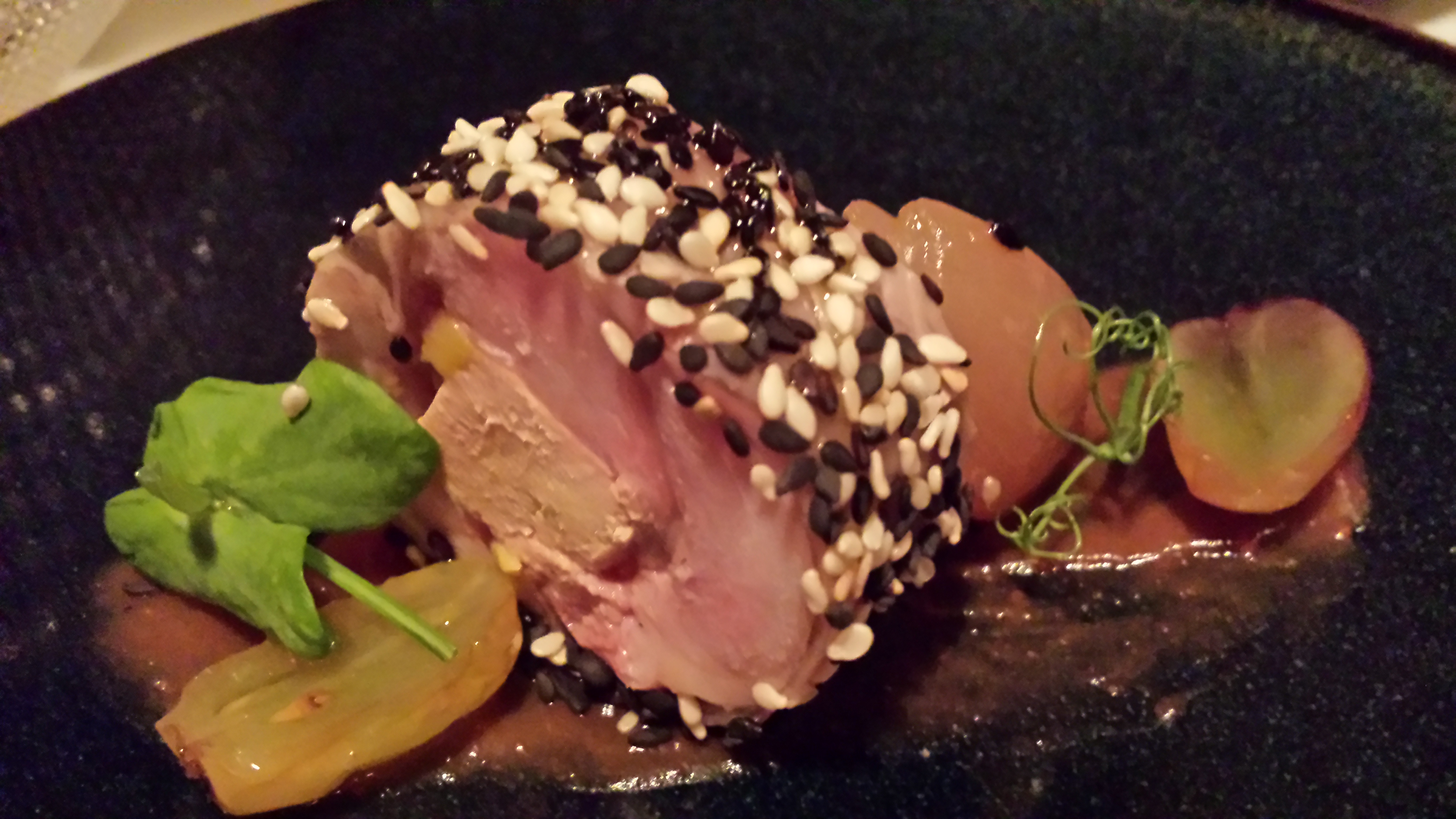 2007 Stift Veltliner, at Grossi Florentino, Melbourne, 4 Dec 2013. Luscious golden tone, quietly intense with mild characters of apricot and nectarine without the sweetness, taking an austere turn towards the finish, in keeping with its Austrian origin.
2007 Casanova di Neri Brunello di Montalcino, at Grossi Florentino, Melbourne, 4 Dec 2013. I was hoping this would have begun to mellow (my choices severely limited by the expensive wine list) but this wine is still intense and youthful, producing powerful aromas of raspberries, dark currants and dark plums, structured with traces of vanilla and enamel. Difficult to pair with food at this stage.
2013 Skillogalee Riesling, at The Atlantic restaurant, Melbourne, 5 Dec 2013. Comes across as very clean and pure, saturated with notes of lemongrass and banana peel, lifted with excellent depth and plenty of fat in the mid-body, excellent balance between the clear minerality and fresh acidity without excessive crispness. Great linearity, leading to a harmonious finish. An excellent example of what Clare Valley is capable.
 2006 Geoff Merrill Reserve Cabernet Sauvignon, decanted on-site at The Atlantic restaurant, Melbourne, 5 Dec 2013. Nicely layered. Leathery in texture, saturated with cinnamon, earth and plums, almost resembling tempranillo. Became weightier over time, well-integrated, savoury and structured with tight tannins. Not for purists.
Bollinger Special Cuvée NV, at Il Bacaro Cucina, Melbourne, 5 Dec 2013. Lovely golden hue, fairly deep on the nose with notes of toast, yeast, malt and roasted cashews. Firm on the palate with a broad even minerality, the acidity and dryness just a tad overzealous but I’d imagine it’ll settle very well given adequate aeration.
2011 Katnook Coonawarra cabernet sauvignon, a bottle already opened at the Krisflyer lounge of Melbourne airport, 6 Dec 2013. Deep purple with notes of red plums, red apple skin and raspberries with a significant contribution of forest floor, twigs and green. A far cry from the quality of Rymill.
2011 Nautilus Sauvignon Blanc, on board Singapore Airlines Business Class from Melbourne to Singapore, 6 Dec 2013. Attractive pungency, beneath which are powerful emerging notes of lime, citrus, tropical fruits, pomelo and rock melons. Soft, well balanced, subdued and slightly austere towards the finish. More lifted over time with emerging notes of fig and white flowers.
2011 Stonier Chardonnay, on board Singapore Airlines Business Class from Melbourne to Singapore, 6 Dec 2013. Controlled bouquet. Lifted notes of cream and caramel with traces of butter and vanilla and chalky minerality. Medium-bodied and well balanced. Very attractive..
2009 Château Labadie, on board Singapore Airlines Business Class from Melbourne to Singapore, 6 Dec 2013. Muted on the nose, offering dark currants, dusty in texture and tannins with notes of green and twigs. A rather poor choice for a premium class of travel. Their other Bordeaux offering – 2009 Ch Loudenne – is much preferable (see Sep 2013 post), but unavailable on this flight.
2011 Dandelion Vineyards ‘Lionheart of the Barossa Shiraz’, on board Singapore Airlines Business Class from Melbourne to Singapore, 6 Dec 2013. R ipe warm Barossa shiraz with traces of licorice, medicinal and herbal notes underscored by ferrous minerality. Not at all overwhelming but neither is it convincing. Doesn’t gel until the end.
2009 Denis Mortet Gevrey-Chambertin, decanted on-site at Otto Ristorante, 17 Dec 2013. Classic Old World character of cherries, cranberries, earth and minerality and old wood, beautifully proportioned and balanced although it is rather reticent on the nose in spite of persistent coaxing. Good depth and ripeness, but closed. I suspect this wine is in the process of shutting down. Best to re-visit after 4-5 years.
2002 Clos du Marquis (courtesy of Ben), at the ward dinner at Foo House, 17 Dec 2013. Fairly open, replete with tea leaves, snuff and mushrooms, the classic dry character of Saint Julien bordering on Pauillac. Lacks charm and real concentration, however, symptomatic of the vintage. Ultimately nondescript.
2002 Barossa Old Vines shiraz, poured from magnum, at Foo House, 17 Dec 2013. Entirely consistent with expectations. Full-bodied, warm, ripe and savoury, saturated with heavy medicinal notes leading to a hot spicy finish.
1998 Fox Creek Reserve Shiraz, (courtesy of John), at Foo House, 17 Dec 2013. Not very different from the Barossa Old Vines above in spite of its bottle age, savoury with concentrated notes of sweet meat, licorice and plum, medicinal and spicy at the finish.
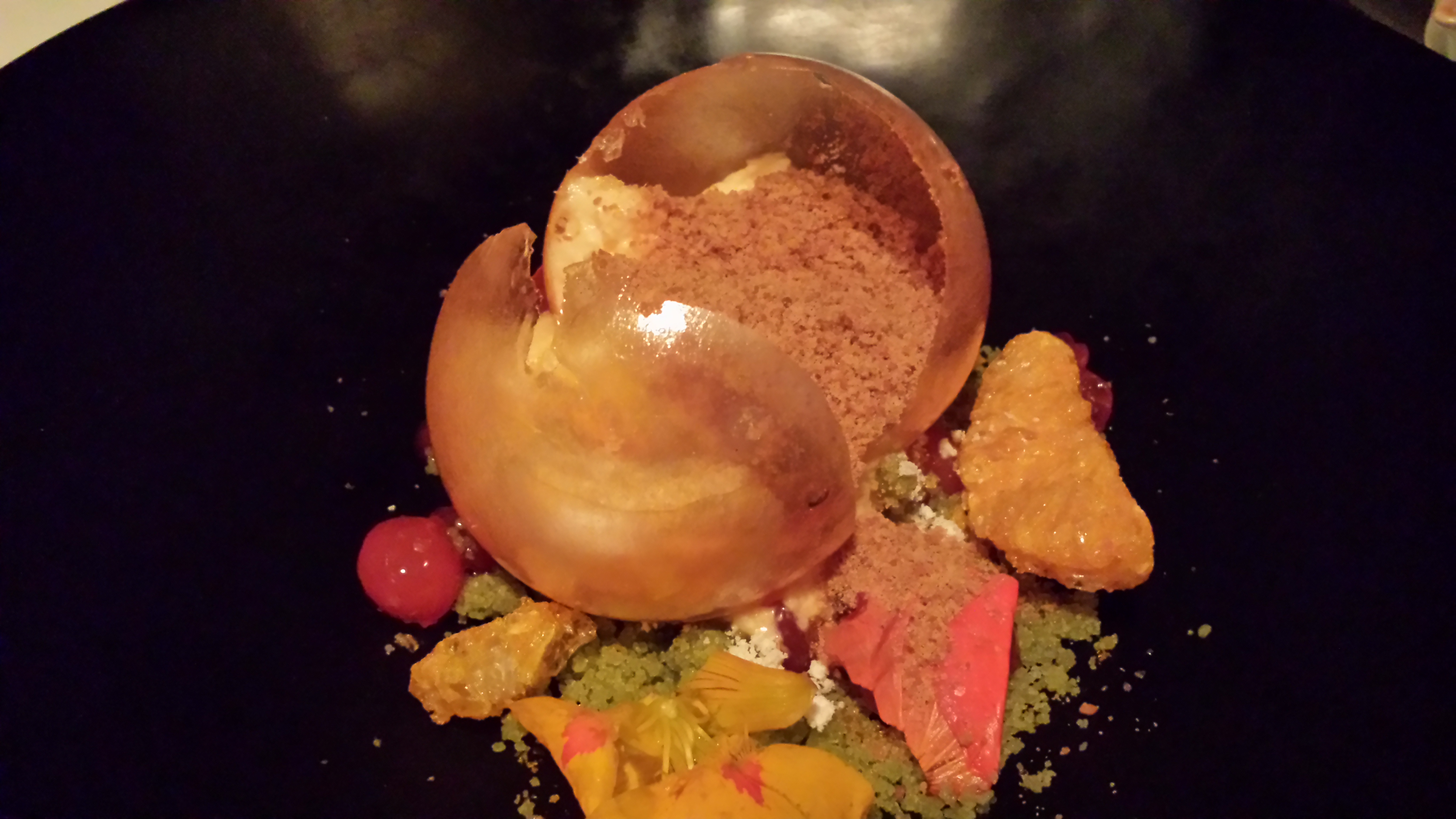 Conte Balduino NV, at Burlamacco Ristorante, 18 Dec 2013. Unlike most prosecco, this bottle is simply quite excellent, displaying plenty of depth and a fair semblance of complexity with notes of yellow citrus, green melons, toast, roasted nuts and traces of vanilla, the subtle bubbles ensuring an excellent mouthfeel.
2002 Domaine Louis Latour Corton-Charlemagne Grand Cru, decanted on-site at Burlamacco, 18 Dec 2013. Slightly reticent initially, eventually displaying generous notes of sweet citrus, pomelo and a dash of tropical fruit with a hint of vanilla, much more developed than before . Layered with very good depth of fruit though within a fairly narrow spectrum, more sharp and steely towards the finish after some time before finally evening out, attaining further level of richness towards the end of dinner. Very good, but Bonneau du Martray remains unsurpassed for CC.
2010 Guado al Tasso Il Bruciato, SGD118 off the restaurant list of Burlamacco, 18 Dec 2013. Popped and poured after brief airing in bottle. Distinct earthy pungency (I love it) on the nose, beneath which lay dense redcurrants and dark berries with some enamel and undergrowth coming on after some time, framed by tight tannins, its lovely pungency taking on a more urgent note over time. In spite of its youth, one could sense that this isn’t quite New World in character. Excellent value, I’d imagine, if purchased off a retailer.
1998 Château Ducru Beaucaillou, decanted on-site at Burlamacco, 18 Dec 2013. This wine has mellowed beautifully over the past few years, developing an early sur-maturite with a soft lovely pungency beneath which are understated dark berries and raspberries, excellent in focus and definition, taking on a powerful glow and concentration over the course of dinner whilst its acidity and silky tannins ensured a lively balance and structure. 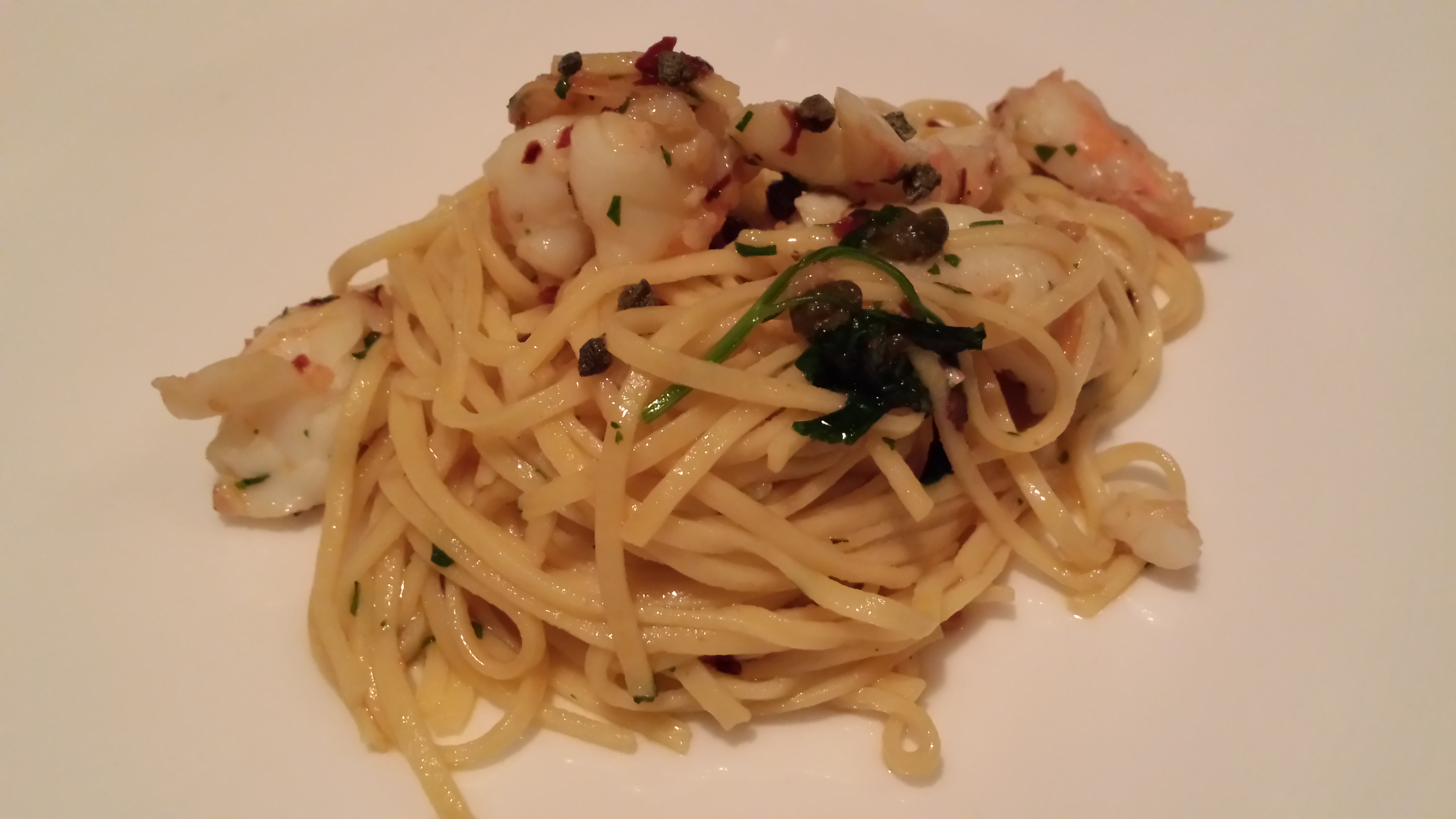 Consistent with a bottle tasted last year (courtesy of Danny), but it is even better on this occasion, perhaps just missing the usual graphite minerality of Saint Julien. Excellent.
2007 Domaine Louis Jadot Meursault-Charmes 1er Cru (courtesy of Dr Wang KW at his residence), 19 Dec 2013, a bottle already opened for a day, but sealed and chilled. Rather short on fruit, the thin notes of citrus struggling to match the dry stony minerality. Hardly representative of what can be achieved with Meursault.
2008 Olivier Leflaive Puligny-Montrachet 1er Cru, popped and poured, courtesy of Dr Wang KW at his residence, 19 Dec 2013. Significantly heavier in color and tone than the preceding Meursault with an abundance of roasted cashews, chalky minerality and a dash of creamy buttery character from the ripe citrus. Doesn’t quite possess the depth and opulence of its rival cousin Domaine Leflaive, but enjoyable enough.
2011 Coldstream Hills Reserve Chardonnay, at the department’s year-end dinner at The Edge, Pan Pacific Singapore, 23 Dec 2013. From the half case that just arrived from Yarra Valley. Notes of cool vanilla icing and cream supported by clear crisp minerality, very good in concentration but somewhat closed at this stage.
2005 Moss Wood Cabernet Sauvignon. Aired in bottle and drunk over two hours at the department’s year-end dinner at The Edge, Pan Pacific Singapore, 23 Dec 2013. Excellent concentration of raspberries, blueberries and redcurrants framed by lithe supple tannins that gave a highly satisfying mouthfeel, though still primal at this stage. However, the wine is marred by traces of menthol, spicy mint and undergrowth that rose to an unprecedented level of prominence over time, imparting a bright, dense and heavy medicinal note that is simply inappropriate for cabernet sauvignon. Very worrying.
2000 Château Lascombes, (courtesy of John) at the department’s year-end dinner at The Edge, Pan Pacific Singapore, 23 Dec 2013. Some snuff and perfume amidst dusty tannins. Mellow dark berries but could do with greater presence. More open after some food but it remained uneven in tone. A poor effort in spite of the stellar vintage.
2000 Château Lagrange, (courtesy of John) at the department’s year-end dinner at The Edge, Pan Pacific Singapore, 23 Dec 2013. Perfumed nose of red fruits with a suggestion of sweetness, but dominated by notes of dark berries and soy, dense and fairly full with the unmistakable graphite minerality of Saint-Julien. Developed traces of medicinal overtones over time, becoming sweeter and more delicious at the same time.
Champagne Moet et Chandon Brut Imperiale NV, at a family gathering on Christmas Eve. Good concentration of lime and citrus, green apples and melons shaded by toast and walnuts, pretty generous but a tad too dry. Very agreeable, though.
1998 Château Lanessan, popped and poured on Christmas Eve. Disappointing on this occasion, the fruit backward, obstructed by dusty tannins. Dry.
2012 Wynns Coonawarra Shiraz, at a Christmas BBQ, 25 Dec 2013. Aired in bottle for almost two hours. Tastes more like a Barossa shiraz, dense, heavy with wood and ripe warm fruit with notes of licorice, chocolate, spice and mint. I wouldn’t recommend.
2009 Jean Marc Baudot “Genevrières” 1er Cru, a Meursault specially bottled for Iggy’s with two bottles tasted off the restaurant list together, 26 Dec 2013, courtesy of Dr Wang. The first impression is almost New World, highly aromatic with generous notes of ripe tropical fruits, melons, peaches, pears, coconut with white flowers contributing to a perfumed lift and plenty of body supported by broad swathes of great minerality, producing great depth of fruit, richness and complexity all at once. Most unlike Meursault. More Montrachet. Superb but expensive at around SGD400 per bottle.
2001 Château Cos D’Estournel, two bottles brought to Iggy’s on 26 Dec 2013, part of a half dozen just shipped over from Bordeaux Index London. Bright deep purple. Excellent depth and concentration of dark berries, raspberries and violets, tarry in note but not texture, beautifully proportioned with supple subdued tannins in the background, layered with a mild salty minerality. Characters of mulberries, tea leaves and the seductive Bordeaux dryness coming on later, adding further to the superb definition. Yet to peak. Excellent.
2001 Elderton Ashmead Cabernet Sauvignon, my last drop for 2013, over a home-cooked USDA Prime sirloin on New Year’s Eve. Aired in bottle for an hour. Still showing a dark inky red after all these years, the wine fairly dense and weighty with excellent ripeness of fruit that produced notes of blackcurrants, plums, cedar and undergrowth amidst a woody texture and, for some reason peculiar to Aussie reds, the inevitable notes of spicy mint, herbs and menthol aromas. Didn’t really evolve with further aeration. Although it can easily be bought online for only SGD55 (a lot cheaper than its release price), I don’t think I’ll miss it.
1983 Lynch Bages, 2002 Zind Humbrecht Goldert
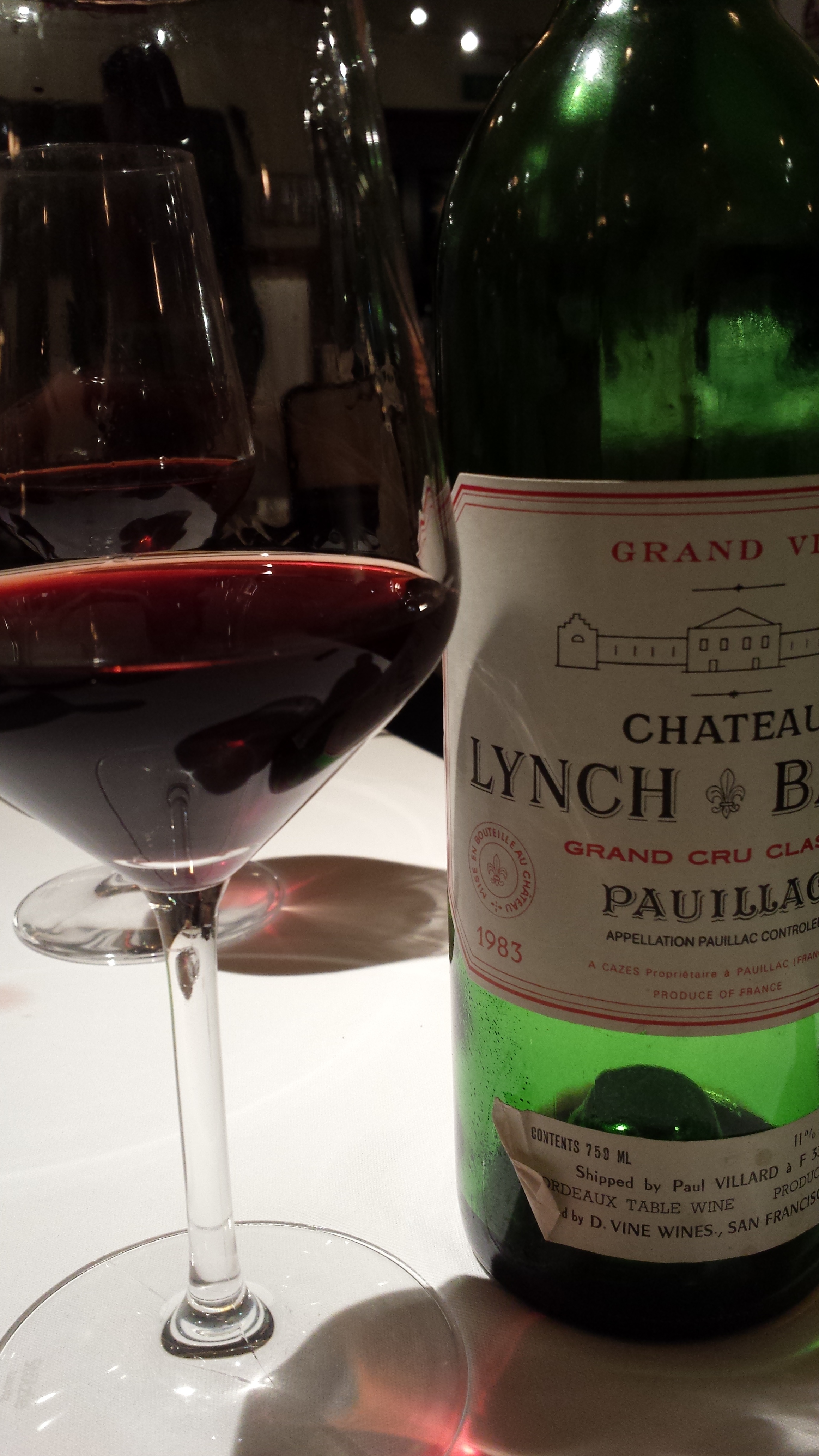 These notes came from an excellent off-line meet-up with Julian Teoh, renowned food and wine critic and founder of the Alsace Society, Singapore, at La Barca, 20 Nov 2013, which I thought would be an occasion as good as any to pop my last bottle of the 1983 Ch Lynch-Bages, which was decanted on-site for 30-45 minutes prior to serving. What a phenomenal wine this turned out to be. Though obviously fully mature, the wine still radiated a lovely ruby glow that gave no hint at all of its 30 years while notes of rose petals and cherries of remarkable purity dominate initially, yet retaining excellent weight without any trace of hollowness. Any fear of it fading with prolonged aeration proved to be unfounded as it grew in weight and intensity over time, exuding layer upon layer of tertiary characteristics, glowing with utter complexity throughout the evening that typifies Bordeaux with just a dash of mint at its lengthy finish.
  One might have easily mistaken it for an aged Burgundy if blinded if not for its Pauillac signature of snuff, dried mushrooms and tea leaves, still intact after all these years. Superb.
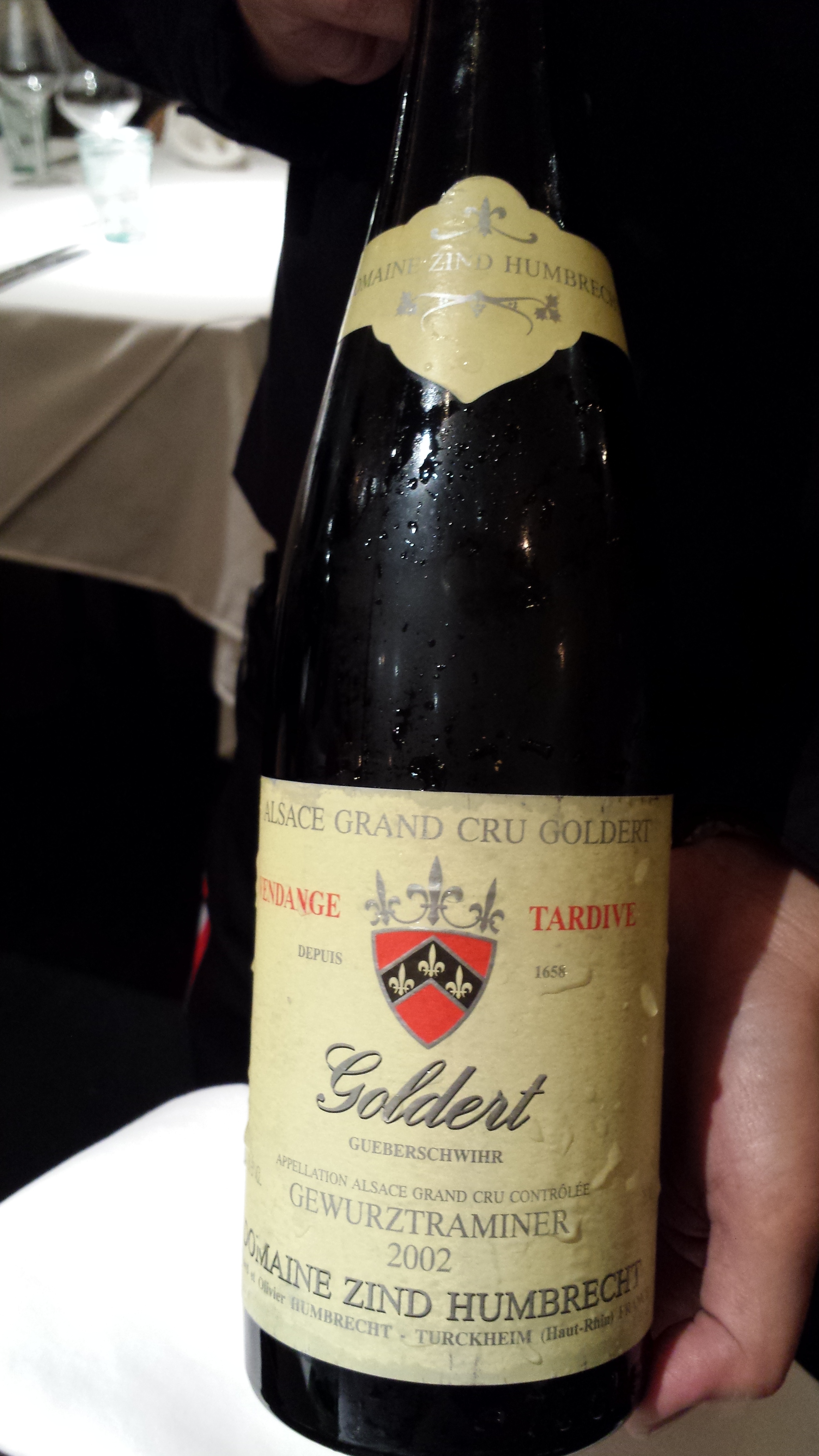
The 2002 Zind Humbrecht Goldert (courtesy Julian) was just as glorious in its own way. Popped and poured after a brief period of aeration, this luminous golden liquid exuded notes of complex citrus, fig, nectarine and white flowers from the first pour, the lively acidity imparting a sense of freshness and excitement. It settled down after the initial euphoria with a nod towards emerging caramel and apricot before picking up in intensity again, producing a kaleidoscope of tropical fruit flavours and brilliant nectar underscored by a gentle steeliness from the graphite minerality, resembling in part, a spatlese, which is, perhaps, not all that suprising given that it is, after all, a gewurstraminer. I must admit my experience with Alsace is severely limited, but this tasting experience will certainly point me in that direction. Wonderful.
1998 Ch Haut-Brion
This wine came courtesy of John on the occasion of his promotion, 26 Nov 2013, over a seven-course degustation at The Rabbit Stash, a cosy but serious restaurant run by a husband-and-wife team at The Alexis, Singapore, certainly a dining venue that I can recommend wholeheartedly, especially as it is BYO on Tuesdays with stemware by Riedel, no less. 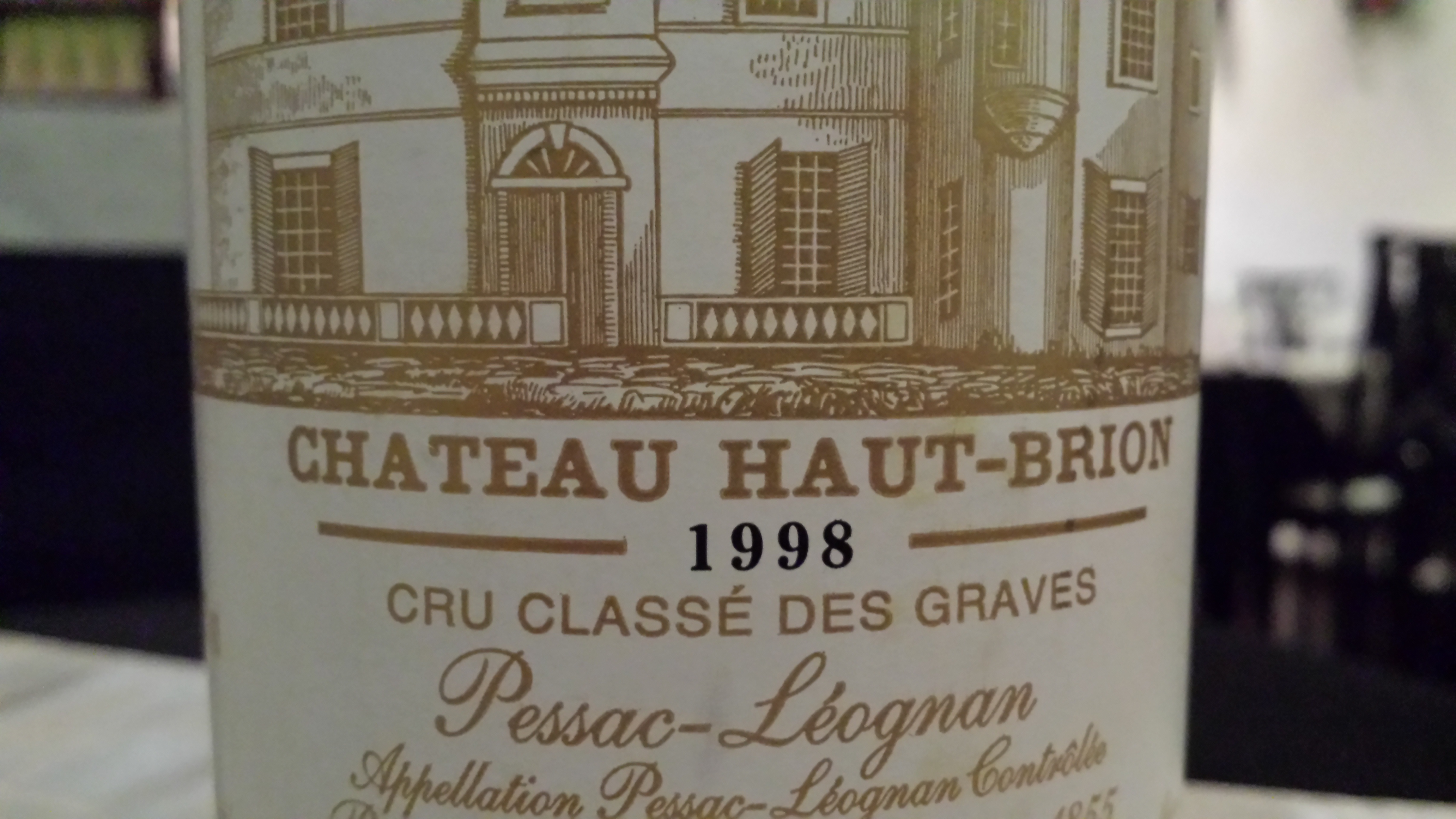 We began the evening with a Ruinart Blanc de Blancs NV, which was medium-full and fairly open on the palate with lively notes of fresh citrus, green apples, sweet pomelo, a dash of tropical fruits, walnuts, toast and traces of vanillin, drying out towards the finish as the wine gained further intensity over time.
Of the several different Haut-Brions I’ve had over the years, one seldom encounters the 1998 Ch Haut-Brion, which John pleasantly surprised me, having double decanted it for more than 3 hours earlier in the evening. Effusive notes of cordial and rose petals erupted from the glass, saturated with a perfumed fragrance that was impossible to dismiss. This medium-to-full bodied wine broadened over the palate with food and further aeration as notes of dark cherries and blackcurrants emerged towards the fore with a residual tinge of tangy citrus lurking in the background. As with all Haut-Brions, the balance is impeccable, the wine becoming highly focused and opulent (to be fair, a description seldom associated with Haut-Brion) as it gained depth over time with layers of early secondary development. Still far from its peak drinking period, and I’d suggest that anyone with an eye for value should seriously consider securing a half-case. Outstanding.
 Ric's Wine Journal