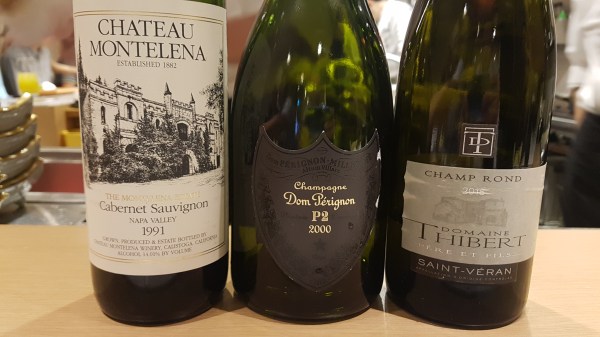
2000 Champagne Dom Perignon Second Plenitude, courtesy of CW over lunch with Frederic Faye of Ch Figeac and Marielle Cazaux (Ch La Conseillante) at Shinzo, 01 Jun 2019. Quiet on the nose. Even gentle minerally tone with a smooth dryness, exuding lovely charm and transparency. Not the most profound of Dom but its balance is impeccable, developing superb presence of delicate green fruits and citrus over time.
2015 Domaine Thibert Pere et Fils Saint-Verain Champ Rond, over lunch with Frederic Faye of Ch Figeac and Marielle Cazaux (Ch La Conseillante) at Shinzo, 01 Jun 2019. Bit closed on the nose though the palate is imbued with a generous expanse of delicate white fruits and citrus that teased with fleeting concentration and intensity. Rounded and smooth. Very well balanced with understated charm, energy and sleek controlled acidity, developing wonderful depth with a gentle open intensity over time. Excellent.
1991 Ch Montelena Estate, courtesy of CW over lunch with Frederic Faye of Ch Figeac and Marielle Cazaux (Ch La Conseillante) at Shinzo, 01 Jun 2019. Deep garnet red. Intense bouquet of briar, bramble, raspberries and delicious currants. Still amazingly fresh on the palate, displaying superb concentration and ripeness with smooth velvety tannins. Sublime in acidity, integration and balance with an understated red plummy tone, slightly earthy. An absolute winner, very much on par with any Bordeaux premier cru. Outstanding.
2005 Ch D’Aiguilhe. Popped and poured at Crab At Bay, 02 Jun 2019. Deep dark impenetrable red. Abundant dark fruits, blackberries and blackcurrants on the nose with a sweet plummy tone. Open with excellent fullness and suppleness. Ample in rich ripe fruit laid on an earthy floor with dusty textures. Very fine acidity. Rather understated in structure for its proportions. Austere ferrous finish. Decent length. Still youthful.
2003 Pavillon Rouge du Margaux, popped and poured over lunch at Otto Ristorante, 04 Jun 2019. Deep garnet red. Delicious bouquet, leading to very good concentration of black fruits and red currants, slightly earthy, within a very well-defined slim profile. Lively acidity. Mellowed quite quickly with relaxed charm, developing exciting tertiary nuances with open biting intensity amid soft velvety textures. Still youthful. On par with a classified growth. Excellent.
2004 Domaine Vincent Girardin Chevalier-Montrachet Grand Cru, courtesy of Vic at Summer Pavilion, 04 Jun 2019. Gentle sleek white floral tone with light citrus on the nose and palate, showing superb integration, balance and precision with sublime acidity. Fine open intensity, fleshing out very well with a lovely transparent chalky tone, finishing with overtones of walnuts. Excellent.
2014 Domaine Faiveley Clos des Cortons Faiveley Grand Cru, at Summer Pavilion, 04 Jun 2019. Silky tangerines and light rose petals dominate with gentle presence, slightly more minerally and stern. Opened up well with some lovely intensity but still a little tight. Fine balance. Distinctly feminine without the lush succulence and velvety plushness of the 2016.
1990 Domaine Drouhin-Laroze Chambertin Clos de Beze Grand Cru, courtesy of LF. Good colour. Imbued with good concentration of warm ripe fruit and dark plums amid well-developed characters of cedar and cinnamon, exuding fine intensity, slightly earthy and stern with overarching acidity.
2015 Katgully Cabernet Sauvignon, at Dorothy’s place 09 Jun 2019. Softly focused aromas of gentle red plums on the nose. The medium-full palate features ample warm ripe fruit with a deeper vein of dark currants, undergrowth and mocha with traces of marmite in its minerality, more forwardly balanced. Rounded with controlled intensity and understated acidity. Very fine. From Margaret River, Western Australia.
1998 Champagne Krug, popped and poured at Saint-Pierre on 11 Jun 2019 to mark our Silver Jubilee. Gently perfumed. Very subtly suffused with characters of toast and yeasty, exuding a lovely delicate fragrance. Suitably dry with a sheen of very fine bubbles, the perfect counterfoil for the layers of intense citrus, bitter lemon and grapefruit though it doesn’t quite truly plumb the depths. Finished with lasting persistence.
1990 Ch Lafite Rothschild, decanted on-site at Saint-Pierre on 11 Jun 2019, our Silver Jubilee. Deep purple with only slightest hint of evolution. Enticing complex bouquet, a hallowed deep glow of ripe red plums, soy and black cherries with a hint of smouldering ember. Beautifully open with velvety textures amid sublime acidity, seamlessly layered, exuding great charm and feminine elegance as it stretched out with superb definition and intensity. Just like an earlier bottle from the same case tasted in March 2019, this wine has been caught at its peak and will last. Outstanding.
2011 Champagne Pierre Peters Cuvée Speciale Les Chetillons Brut, popped and poured to mark the clinic re-opening, 13 Jun 2019. This blanc de blancs is considerably lighter in texture, distinctly delicate and feminine, an impression reinforced by its very fine gentle bubbles. Ample in pomelo and lime amid traces of bitter lemon, layered with gentle yeasty tones. Lively presence though somewhat narrow in spectrum. Doesn’t quite plumb the depths.
2002 Ch Cos D’Estournel, popped and poured to mark the clinic re-opening, 13 Jun 2019. Raspberries, mulberries and wild berries dominate with good density, slightly cedary and earthy, distinctly darkish in tone and demeanour. Supple with fine transparency and rounded tannins but it lacks real distinction, missing in charm and succulence.
2012 Domaine William Fevre Chablis Les Preuses Grand Cru, popped and poured at Ming Kee Live Seafood, 15 Jun 2019. Excellent presence. Notes of tangy citrus and nutmeg. Good transparency, suffused with saline minerals amid ferrous elements. Creamer over time with a gentle presence of green apples along with some chalkiness, laced with fine subtle acidity. Drinking well. Alas, Ming Kee has ceased its business after 25 June 2019.
2008 Lucien de Moine Richebourg Grand Cru, courtesy of John Law, 18 Jun 2019 at restaurant Ibid. Darker tint of pinot. Rather shut, hinting at only dark currants with some fragrance. Far more powerful on the palate, exuding an intense plummy tone with notes of forest floor, cranberries and bramble. Taut with quite an acidic spine, yielding raw intensity of fruit. MIssing true pinot character.
2014 Domaine Dominique Mugneret Vosne-Romanee Cuvee Alliance des Terroirs, courtesy of Edmund Wong at Otto Ristorante, 19 Jun 2019. Good color. Quite ample in ripe raspberries and red fruits with a tight plummy tone, exuding lovely fragrance. Slightly acidic.
1999 Champagne Phillipponnat Clos des Goisses Brut, popped and poured at Otto Ristorante, 19 Jun 2019. Deep complex bouquet of white flowers, vanilla, creme and minerals. Opened with a rich minerally glow amidst deep toasty nutty overtones, supported by crisp intense citrus with acidity that’s still remarkably fresh and lively, finishing with traces of green pepper.
2010 Domaine Jacques Prieur Volnay Clos des Santenots 1er, courtesy of Vincent at Otto Ristorante, 19 Jun 2019. Good color. Gentle rosy hues with undertones of dark cherries. Medium-full, supple and fleshy, displaying superb ripeness, succulence and length with excellent subtle acidity, finishing with traces of snuff.
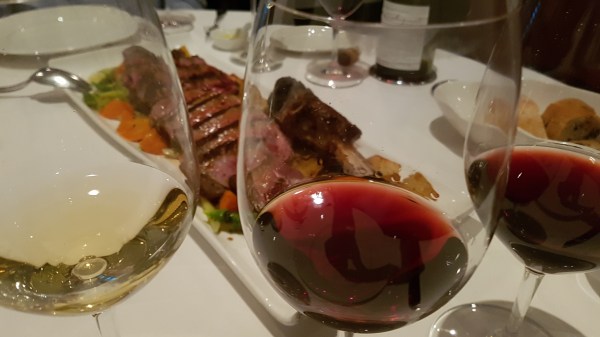
2005 Ch Rauzan-Gassies, popped and poured at Wah Lok, 21 Jun 2019. Deep impenetrable purple. Displays a certain richness and fullness of fruit and dark currants against plush cushioned velvety textures with traces of sweet. Still incredibly infantile and barely evolved. Opened up more over time with further notes of smoke, cedar and soy, highly supple, coming together at the last pour with stunning intensity. Excellent.
2006 Champagne Piper Heidsieck Millesime Rare, tasted at the Krisflyer First Class Lounge of Changi Airport T3, 23 Jun 2019. Light golden hue. Deep toasty nutty complex with yeasty tones on the nose. Generous expanse and concentration of pomelo and yellow citrus amidst very fine gentle bubbles. Excellent vigour and intensity, finishing with gentle graphite minerals.
2016 M Chapoutier Les Meysonnieres Crozes-Hermitage, tasted at the Krisflyer First Class Lounge of Changi Airport T3, 23 Jun 2019. Notes of forest floor and dark fruits dominate within a light-medium lean profile. Well balanced with fine acidity but not distinctive.
2009 Champagne Dom Perignon, tasted at the Krisflyer First Class Lounge of Changi Airport T3, 23 Jun 2019. Lighter-textured with a gentle perfumed fragrance of clear citrus, showing great clarity though within a rather narrow spectrum. Distinctly feminine. Short.
2006 Ch Rauzan-Segla, on board Singapore Airlines SQ336 from SIN-CDG, 24 Jun 2019. Very shy on the nose, just able to discern some dark currants. Equally introverted on the slim palate, hinting at dark fruits and blackberries beneath rather than outright opulence although its concentration and fine acidity is beyond reproach, tinged with ferrous minerals.
2008 Louis Latour Corton Grand Cru, on board Singapore Airlines SQ336 from SIN-CDG, 24 Jun 2019. Good concentration of wild berries and plums. Medium-bodied. Very fine acidity, showing good integration and balance with a slightly vegetal tone that conferred a certain rusticity, finishing with traces of incense.
LaCheteau Cremant de Loire Brut, at the Star Alliance lounge of CDG, 29 Jun 2019. Gentle floral aromas with yeasty tones, slightly toasty with a broad expanse of intense clear citrus and lime. Suitably dry.
2016 Cru de la Maqueline, at the Star Alliance lounge of CDG, 29 Jun 2019. Dark currants, raspberries and plums dominate with a distinct ferrous minerality on the mid-palate, displaying decent fullness, depth and length.
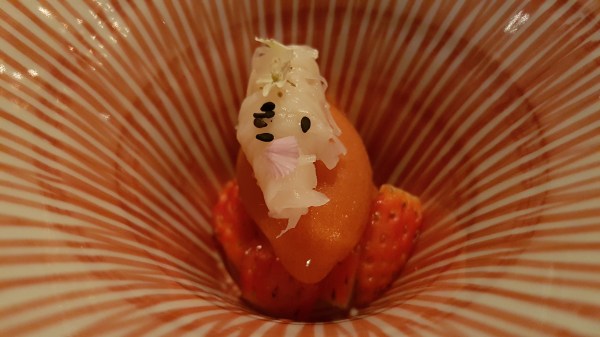
Creation of restaurant Saint-Pierre, Singapore.
Ric re-visits Château Cheval Blanc
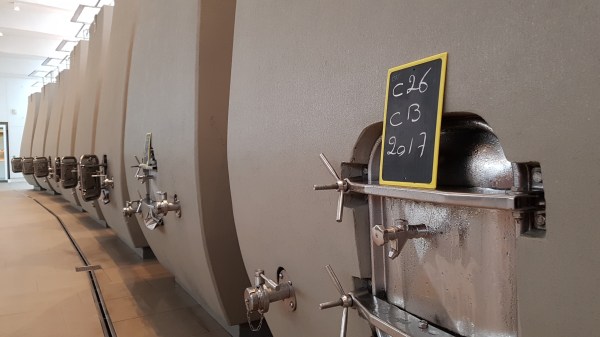
Château Cheval Blanc is, perhaps, best known for espousing the virtues of cabernet franc as the main grape varietal in its blend although it is, by no means, the only chateau to do so. Ch Ausone has a similar blend but whereas it only produces 15,000 bottles annually, the output for Ch Cheval Blanc is far greater at 100,000 bottles, laying claim to pole position as far as its association with cabernet franc goes. Comprising 39 hectares in one single block (subdivided into 45 plots), Ch Cheval Blanc is planted with 60% cabernet franc, 35% merlot and 5% cabernet sauvignon, the latter on exactly the same sort of pebbly soil as neighbouring Ch Figeac with which it abuts. The soil is a mixture of gravel and clay. Apart from the grand vin, another 20,000 bottles of the second label Le Petit-Cheval are produced. 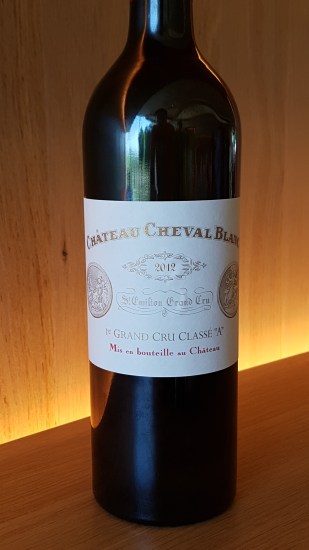 Since 2014, this estate has also begun producing a dry white, a classic blend of semillon and sauvignon blanc from 6 hectares of vines that is most appropriately and confusingly named Petit-Cheval Blanc. The stylish low-lying futuristic-looking chai, just a stone’s throw away from the purple monobloc of Ch La Dominique, was built in 2011.
The 2012 Ch Cheval Blanc we tasted on the warm afternoon of 26 June 2019 was popped and poured. Displaying a beautiful deep ruby, this wine had not been afforded the time to blossom on the nose, just proffering a hint of dark plums. The palate, however, was layered with a wonderful depth of ripe dark fruits, earth and currants tinged with exotic spices and green pepper, quite sublime in acidity with a lovely glowing intensity, very elegantly integrated into the sheen of very fine soft silky tannins that tapered to a quiet finish. Accessible as it is, Cheval Blanc is not a wine to be drunk young. Made with substantial extraction, the wine is best drunk when the tannins have melted (at least 30 years post-vintage) whereupon the glorious rosy hues of its cabernet franc take on an almost Burgundian complex that gives Ch Cheval Blanc its deserved fame. No, I’ve never tasted (and probably will never ever have the chance) the 1947 nor 1961, but the glorious 1975 tasted twice (a standard bottling over lunch at the chateau itself in 2016, and a double magnum courtesy of Dr Ngoi in 2017) has been etched indelibly in my memory.
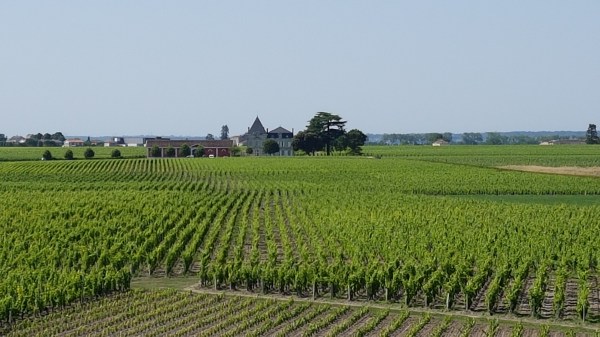
See Ch L’Evangile just yonder?
Ric re-visits Château Figeac
Since 1892, Château Figeac has been owned by the Manoncourt family for four generations, with the fifth generation now ready to step up to the task. With 40.5 hectares under vines at the north-western tip of Saint-Emilion abutting on Ch Cheval Blanc, Ch Figeac has the second largest holdings in this commune after Ch Fombrauge. Nobody really knows why the pioneers at Ch Figeac opted to plant a substantial portion of vines with cabernet sauvignon but one of the reasons put forward is that the deep gravelly soils that originated from volcanic rocks offer excellent filtration for excess moisture, which suits this grape varietal very well. The current proportions are 35% cabernet sauvignon, 35% cabernet franc and 30% merlot. Whatever it is, this unusual make-up for a Right Bank property has contributed to a cult-like following for Ch Figeac which, surely, cannot be at all bad. The average age of the vines is about 40 years. About 100,000 bottles of the grand vin are produced annually while the declassified grapes make up another 40,000 bottles of the second label. The estate has also absorbed neighbouring La Grange Neve since 2012. The grapes are 100% de-stemmed during vinification. Cold maceration takes place over six days while alcoholic fermentation is kick-started with selected yeast. No pumping over is done. The wine is aged in 100% new French oak with a substantial amount of pressed wine added. Racking is carried out every five months with nitrogen gas. Fining with egg whites takes place before bottling.
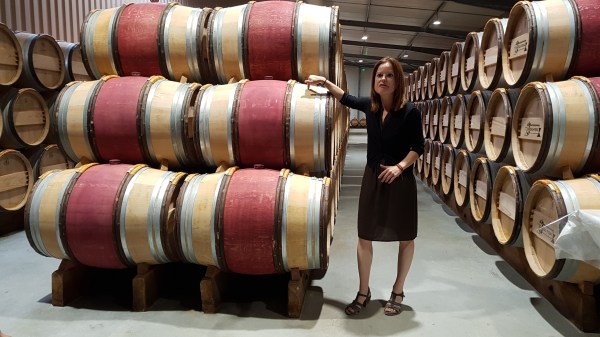
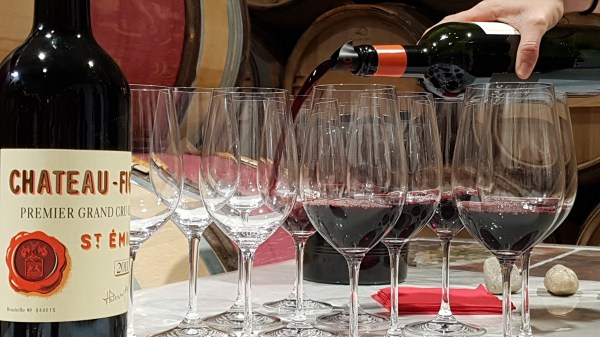
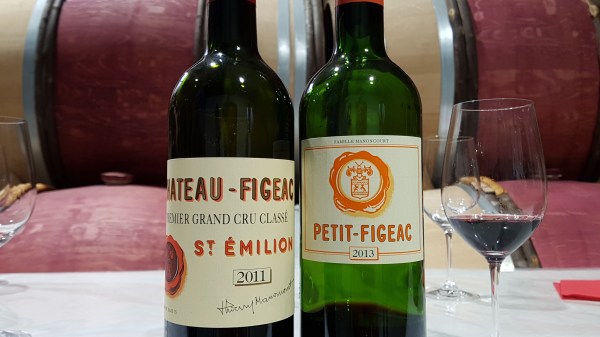
When we visited on the hot morning of 26 June 2019, a huge amount of construction work was being carried out next to the old chateau building. Due for completion in 2021, this modern structure will house the new chai, cellars, laboratories, offices and tasting facilities. For the time being, the barrels are all housed in a temporary above-ground air-conditioned shelter where we tasted both the 2011 grand vin and the second label.
2011 Petit-Figeac. Good colour. Lovely fragrance of red and dark fruits along with some gentle earthiness. Medium-bodied and fleshy, showing good presence and suppleness with very fine acidity, exuding relaxed charm through its seamless detailed tannins, just a tad dusty in texture. Good sophistication throughout, finishing with excellent lift and mouthfeel. Quite excellent in its own right.
2011 Château Figeac. Appreciably darker and deeper on the nose, the grand vin exudes rich layers of dark fruits and dark cherries amid overtones of hot gravel. Nicely rounded, displaying very good definition of early cedary characters against dense dark plums and cassis of excellent concentration with seamless transparent textures. Distinctly feminine in its gentle length and finish, developing a lovely growing intensity over time. Highly consistent with a similar bottle also tasted at the château in September 2016. Excellent.
While this hasn’t been quite the ideal time to visit Château Figeac, I can’t wait to return when the new building is up and running properly. Many thanks, Gwen, for your time and for your expert insight into one of my favourite estates.
Short notes from Saint-Émilion 2019
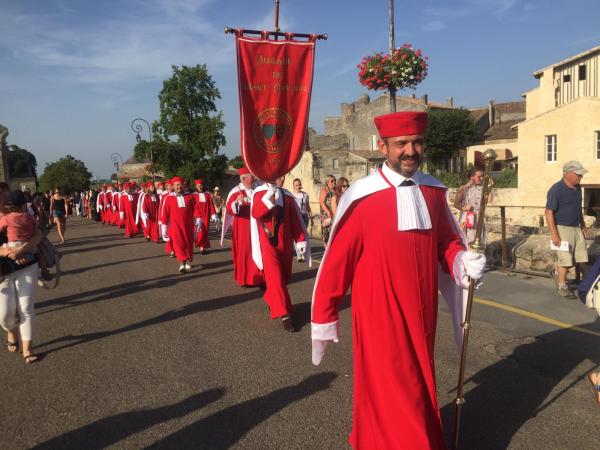
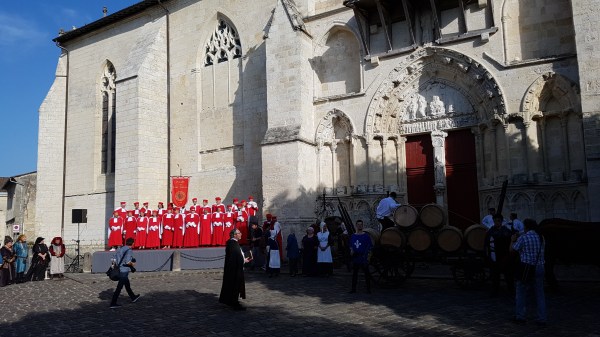
The Jürade de Saint-Émilion du Singapour descended on the commune itself during the last week of June 2019 to partake in the festivities marking 20 years of Saint-Émilion as a UNESCO World Heritage site. Apart from château visits, there was plenty of wining and dining, as expected. There are always plenty of new wines to discover in Saint-Émilion that would not be found outside of the commune due to highly limited production. In particular, thanks to his acute business acumen, the wines of Jean-Luc Thunevin are highly visible in several retail stores where we got to taste some uncommon stuff, including an unexpected vertical of Château Valandraud. Even within such a large commune, one can find plenty of excellent burgundy in restaurant lists in Saint-Émilion, contrary to popular belief. After a long hard day of tasting, it’s always a pleasure to dive back into burgundy for dinner.
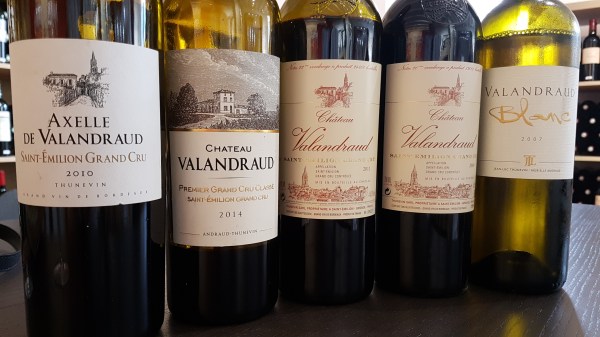
 2010 Axelle de Valandraud, tasted at Thunevin Girondins on 24 Jun 2019. Only one of its kind. Dull opaque purple, exuding dark fruits and mulberries with a hint of rye. Big, taut and concentrated with ample swathes of raspberries, mulberries and currants, imbued with a fabulous controlled acidity amidst further notes of mahogany, only revealing just a bit of early evolution. Excellent. This is only the second vintage of this wine after the inaugural 2000. Made from a blend of two plots totaling 1.5 ha that was part of the overall blend for 2010 Ch Valandraud.
2014 Château Valandraud, tasted at Thunevin Girondins on 24 Jun 2019. Quiet on the nose, while violets and dark currants dominate on the palate with lovely suave acidity. Big, concentrated and intense but not overdone. Persistent finish.
2011 Château Valandraud, tasted at Thunevin Girondins on 24 Jun 2019. Deep impenetrable purple. Big and concentrated with tight acidity, ample in fresh raspberries and wild berries. Excellent ripeness, just a tad short.
2009 Château Valandraud, tasted at Thunevin Girondins on 24 Jun 2019. Great colour. Exudes gentle delicious fragrance with fruit of excellent ripeness, resulting in a wine of compelling intensity and presence, imbued with superb acidity amid svelte velvety melted tannins. Outstanding.
2007 Valandraud Blanc, tasted at Thunevin Girondins on 24 Jun 2019. Delicate tropical fruits on the nose. Minerally and expressive on the palate with clear citrus that is a little more recessed, displaying very good definition and superb acidity. Excellent.
2012 Château Moulin Saint-Georges, tasted at Thunevin Girondins on 24 Jun 2019. Medium-bodied. Open and fleshy with a minerally earthiness amidst a generous spread of mulberries and ripe wild berries. Good finish. Still needs time.
2008 Château Mangot, tasted at Thunevin Girondins on 24 Jun 2019. Big but rounded. Deeply layered and dark fruits and currants. Structured with svelte exciting tannins that impart fabulous acidity and intensity.
2010 Château Le Clos Du Beau-Pere, tasted at Thunevin Girondins on 24 Jun 2019. This full-bodied Pomerol carries an abundance of ripe red fruits and dark currants cloaked within rich creamy textures, nicely rounded, layered with stern earthy minerals. Perhaps a tad too much of extraction. Still highly youthful.
2008 Château Grand-Puy-Lacoste, at Le Tertre on 24 Jun 2019. Decanted on-site. Some early complexity is discernible on the nose whilst the palate is layered with red fruits, delicious currants and tangerines, darkly textured with good depth and quiet intensity, finishing well with traces of sweet.
Champagne Jacques Selosse Brut, at L’Envers du Decor, 25 Jun 2019. Deep golden lustre, proffering a generous lift of apricot and tangerines, imbued with lovely oxidative characters amid some yeasty tones on a minerally base. Quite smooth and even. Drinking well.
2013 Château Monbousquet Blanc, at L’Envers du Decor, 25 Jun 2019. Luscious with a gentle floral fragrance along with traces of nectarine. Medium-bodied, displaying a lovely lightness with an overlay of crème amid delicate ferrous minerals, finishing well.
1998 Château Gombaude-Guillot, at L’Envers du Decor, 25 Jun 2019. This Pomerol exudes dark roses and currants amid earthy textures, imbued with a gentle sweetness. Quite seamless and well-integrated. Subtly nuanced, finishing with good linearity.
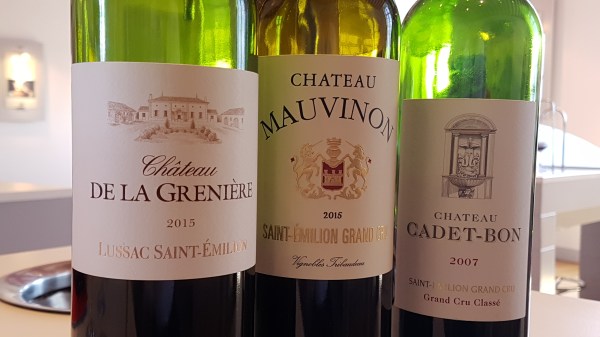
2015 Château De La Grenière, at La Maison du Vin., 25 Jun 2019. Comprising 70% merlot, 10% cabernet franc and 20% cabernet sauvignon. Displaying a deep garnet core, this wine from the satellite region of Lussac Saint-Émilion proffers an aromatic lift of violets, lilac and glycerin, highly supple and full on the palate with exciting acidity. Very well balanced. Almost lush with further emerging notes of dark plums and mocha. Quite fabulous in intensity, though finishing with bit of alcoholic trail.
2015 Château Mauvinon, at La Maison du Vin, 25 Jun 2019. Quite a generous bouquet of mulberries and dark fruits laced with vanillin. More forward in fruit balance though slightly lighter in texture. Warm, ripe and supple but less developed towards the finish where some vegetal trace is evident. 75% merlot, 20% cabernet franc and 5% cabernet sauvignon. Annual production of 85,000 bottles.
2007 Château Cadet-Bon, at La Maison du Vin, 25 Jun 2019. Deep garnet red. Comprising 85% merlot and 15% cabernet franc, this grand cru classé proffers a deep delicious bouquet of dark fruits and currants, quite open and lush on the palate with superb suppleness, displaying a certain cool ripeness with great acidity and integration. Gently structured with lovely balance, finishing well with good mouthfeel. Quite excellent.
2011 Domaine Long-Depaquit Chablis Vaudesir Grand Cru, 25 Jun 2019 at Logis de la Cadene. Pale. Wonderfully delicate bouquet of light citrus and lime. Very lively, displaying seamless transition between its layers and its lengthy persistence of white flowers and nutmeg, gradually developing in expanse with glowing depth, power and fine intensity. Excellent.
2014 Domaine Henri Gouges Nuits-Saint-Georges Clos des Porrets Saints-Georges 1er, 25 Jun 2019 at Logis de la Cadene. Somewhat shy, though showing well on the palate with fine presence of gentle dark cherries and rose petals underscored with a dash of mild salinity. Fleshy, open and seamlessly integrated, developing a lovely subtle intensity over time, finishing well with great linearity.
2014 Domaine Trapet Père et Fils Gevrey-Chambertin Clos Prieur 1er, 25 Jun 2019 at Logis de la Cadene. Darker in colour tone. Medium-full with a dominant dark plummy tone. Rounded but still tight. Subtly structured.
1999 Château La Dominique, at La Terrasse Rouge, 26 Jun 2019. Still very darkly coloured. Generous bouquet of dark and red plums, red currants and dark fruits. Still beautifully fresh and delicious, displaying excellent concentration and depth with superb suppleness. Very subtly structured with svelte velvety tannins, evolving further notes of mocha and black currants, finishing with lovely charm and sophistication. Excellent!
Champagne Henriot Blanc de blancs NV. From the restaurant list of Hostellerie de Plaisance, 26 Jun 2019. Exciting lifted bouquet of clear citrus underscored by gentle yeasty overtones. More forwardly balanced with lovely depth and concentration, imbued with crisp intensity but not too dry. Became more delicate after some time, broadening with a creamy sweetness, finishing well.
2009 Domaine Francois Carillon Puligny-Montrachet Les Referts 1er. From the restaurant list of Hostellerie de Plaisance, 26 Jun 2019. Delicate bouquet. Decidedly more plump on the palate, imbued with excellent concentration and intensity of white flowers, clear citrus and chalk. Very ripe and full, showing good definition and linearity all through to its exciting finish.
2010 Domaine Francois Carillon Puligny-Montrachet Les Referts 1er. From the restaurant list of Hostellerie de Plaisance, 26 Jun 2019. Compared with the 2009, the 2010 is even more lifted and more delicate on the nose while the palate is imbued with excellent transparency and sublime acidity, yielding superb definition of elegant white fruits and complex minerals. Highly expressive and lively. Has tremendous verve. Fabulous.
2010 Domaine Georges Noellät Nuits-Saint-Georges Les Boudots 1er. From the restaurant list of Hostellerie de Plaisance, 26 Jun 2019. Deep colour. Exudes lovely rosy hues. Medium-full. Superbly open with lovely intensity and purity of red fruits. Very subtly layered with transparent textures amid distinct ferrous elements and traces of earth. Excellent.
2010 Domaine Henri Gouges Nuits-Saint-Georges Les Vaucrains 1er. From the restaurant list of Hostellerie de Plaisance, 26 Jun 2019. Deep colour, exuding fragrant red fruits and roses. Highly open and supple, displaying excellent concentration and depth marked by a subtle saline sharpness. Developed a distinct NSG character of soil and earthy minerals along with a silky intensity. Excellent.
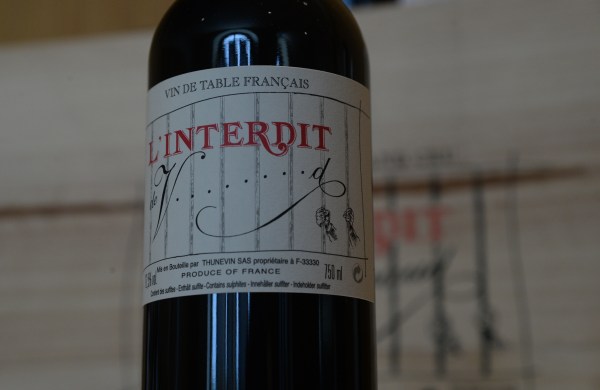
2000 L’Interdit de V********d, tasted at Maison des Vins du Libournais on 28 Jun 2019. Deeply layered on the nose, exuding lovely aromas of dark roses and red currants. Softly rounded and open, imbued with fine concentration of delicate red fruits and haw flakes that tapered to a gentle finish. Almost burgundian in character. Caught at its best. Made from 100% merlot without quite adhering to strict A.O.C. regulations (plastic sheets were used to drain off excess water during viticulture), hence its unique name.
2016 L’Interdit de Valandraud, tasted at Maison des Vins du Libournais on 28 Jun 2019. Deep garnet red. Deeply aromatic with notes of green pepper, Asian spices, savoury cold cuts and ripe cherries. Medium-full and fleshy, showing good transparency through its placid but lifted mid-body. Understated in character and balance. From 100% merlot.
2010 Château Valandraud, tasted at Maison des Vins du Libournais on 28 Jun 2019. Deep garnet red. Lovely deep aromas of dark plums and currants. Dense and fleshy. Beautifully layered and structured with great acidity, finishing with wonderful length and linearity.
2016 Château Valandraud, tasted at Maison des Vins du Libournais on 28 Jun 2019. Deep impenetrable purple. Highly aromatic, densely layered with raspberries, mulberrries, dark cherries and currants, still shrouded in overtones of vanilla and crème from the new oak. A huge wine, fleshy and highly supple with a very clean feel through its striking acidity, perhaps a tad too much of that as the fruit is somewhat obscured.
2001 Château Beauséjour Duffau-Lagarosse, from the excellent list of Cafe Saigon, 28 Jun 2019. Significantly evolved with a rusty tone, exuding lifted aromas of earth, herbal and medicinal flavors along with that of seasoned red fruits and tangerines, imbued with striking acidity through its seamless body, supported by saline minerals on a cedary floor. Drinking well but I wouldn’t keep any longer.
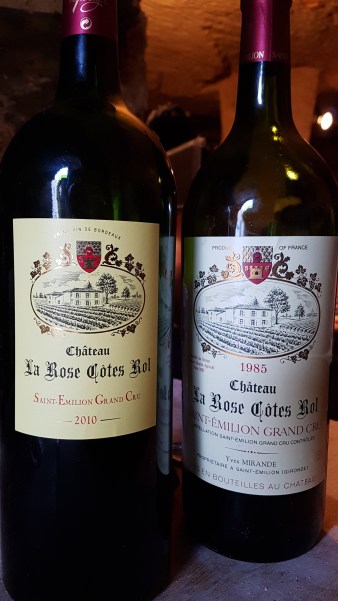 2010 Château La Rose Côtes Rol, tasted at the château’s open house hosted by Pierre Mirande, 28 Jun 2019. Poured from magnum with its caves. Deep garnet red, exuding a sweet savoury nose. Medium-full. Excellent in concentration, weight and depth with plump savoury characters, finishing with a slight acidic trace, slightly short.
2005 Château La Rose Côtes Rol, tasted at the château’s open house hosted by Pierre Mirande, 28 Jun 2019. Poured from magnum with its caves. Well-defined bouquet of rose petals, raspberries and red fruits. Softly rounded and fleshy, excellent in concentration with expressive purity amid ferrous minerals. Highly supple and flavorful. Good finish. Quite excellent.
1985 Château La Rose Côtes Rol, tasted at the château’s open house hosted by Pierre Mirande, 28 Jun 2019. Poured from magnum with its caves. Open with some mild bottle stink that blew off, giving way to effusive notes of red currants and dark roses though the fruit is surprisingly recessed on the medium-bodied palate, showing more of ferrous dominance. Doesn’t quite have the depth and layering, short as well. Past its best.
2015 Château La Rose Côtes Rol, 28 Jun 2019. Closed, proffering only glimpses of violets and raspberries. Good concentration with sleek acidity and graphite overtones, structured with dusty tannins. Fleshed out better with good intensity after some time. Lively finish.
2015 Château Mangot, 28 Jun 2019. Deep purple. Closed. Imbued with abundant dark fruits, showing very good presence and depth. Cloaked in dusty tannins and a tad stern.
Ric re-visits Château Ausone
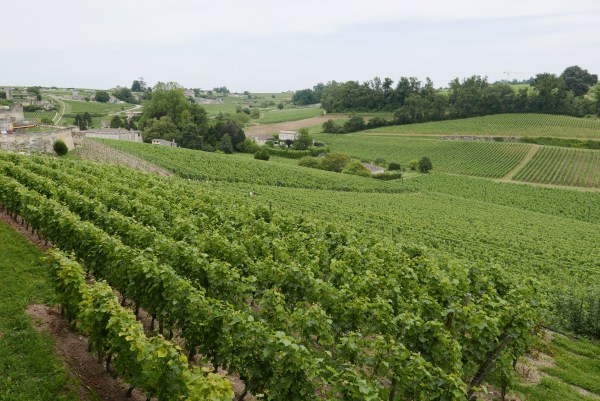
I had the distinct privilege of visiting Château Ausone again on the very warm afternoon of 24 June 2019 where Saint-Émilion was bathed in glaring sunshine with ambient temperatures exceeding 30 degrees Celsius. For many, Château Ausone is the Premier Grand Cru Classé “A” even though there are three other illustrious estates bearing the same exalted status. Consider this: which château is perched at the highest point of Saint-Émilion right within the core limestone terroir, and which château produces only 15,000 bottles of its grand vin per annum with even less numbers of its second wine (only up to 9,000 bottles)? Memories of my previous visit in 2016 came flooding back as Sir K and myself pulled in to its gravelly driveway. The greyhound (there were two previously) was still there but looking considerably older and far quieter, no longer its boisterous self. We thought we were a good half hour ahead of our appointment but a young gentleman approached us right away, exchanging warm greetings in excellent English as he verified that we were, indeed, the expected guests. “Have you met my sister Pauline?”, he asked. I was stunned: he was none other than Edouard Vauthier! Working together with Pauline Vauthier, they have taken over the reins from their father Alain, overseeing the entire winemaking business from viticulture to vinification to marketing. Of course, Pauline had hosted my visit back in 2016 but, this time, it was Edouard’s turn although his sister could be seen busy tending to the vines in the punishing heat. Is this sudden spike in temperature this week worrying, for we have not even gone into July? Will 2019 prove to be the hottest since 2003? Edouard, however, was not worried, for the climate trend so far has been par for the course. Reassuringly, the nights were still cool. The 40-50 year-old vines at Château Ausone are amongst the few which are planted on a steep slope on what is probably the loveliest part of Saint-Émilion, overlooking the more extensive vines of Château Moulin Saint-Georges and Château Simard beyond the road, both also under the Vauthier portfolio, with the King’s Tower a little yonder. Château Ausone has been certified biodynamic for some time and the team is dead serious about doing things according to the moon phases. A simple row of wooden vats complete the functional-looking chai for these are all that are needed to vinify the seven hectares of vines.
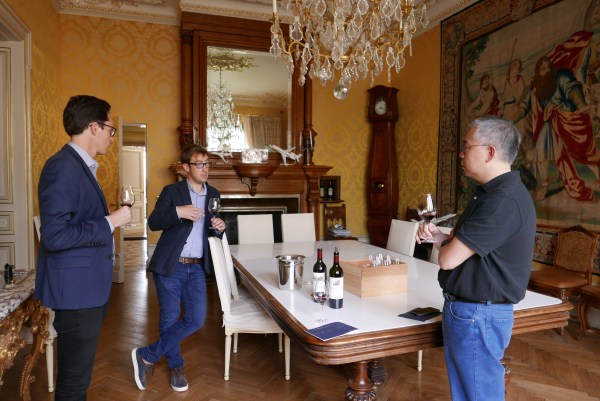
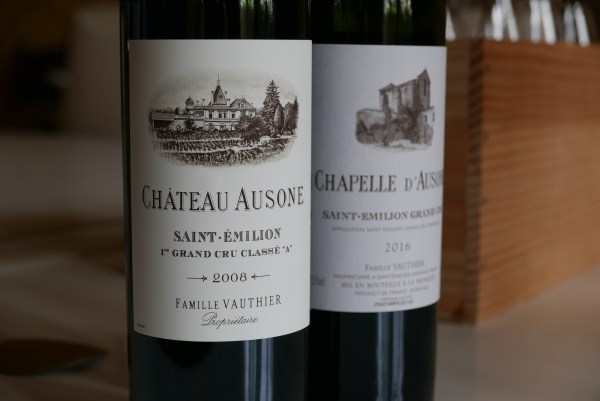
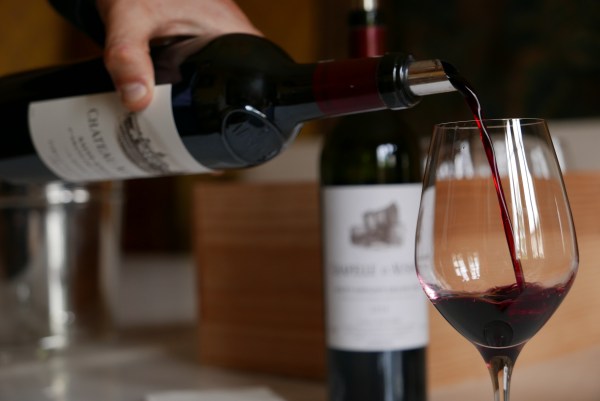
Stepping into the familiar rococo-styled tasting room, Edouard had prepared a couple of wines for us. The 2016 Chapelle d’Ausone, displaying a brilliant purple, was still cloaked in vanillin although this cannot hide the rich layering of raspberries and red fruits on the palate, still tightly coiled with a healthy tone of earthy minerals, very finely nuanced with excellent acidity, just a tad stern at the finish. In contrast, the 2008 Château Ausone, which had been considerably aired in bottle prior to our arrival, exuded generous tones of red fruits, red plums and gentle cherries from its ruby depths, displaying some early complexity with smoked characters, fleshy and rounded with good inner detail and fine balance, distinctly feminine. Here, Edouard shared that the style of Ausone has shifted into a more feminine expression since Pauline became involved in the winemaking in 2005, with the fabulous 2010 being her formal inaugural vintage.
We then trooped over to the cellars, bumping into M. Alain Vauthier himself on the way, a mellow courteous gentleman who prefers to let his children run the show. I have always marveled at how the estate’s cavernous cellars had been hewn out of solid limestone by stonemasons of yesteryears. A blast of cold air greeted us as we stepped in, a most welcome relief from the scorching heat outside. In here, the temperature is always consistently between 11-14 degree Celsius. The few rows of vines for Chapelle d’Ausone are grown right above these cellars, and I’m amazed that the roots do not penetrate through the roof of the caves, meaning the roots must have spread laterally in search of nutrients. In this vast space, the limited number of barrels resting there drove home the highly-limited quantity of grand vin available. Nevertheless, Edouard proceeded to aspirate a generous dollop of the 2018 Château Ausone (we even had second helpings!). Showing a brilliant deep purple, this unfinished wine proffered a distinct note of rye that imparted a feel of dry heated gravel on the nose, richly layered with raspberries, dark cherries and red currants that imparted wonderful ripeness and purity of fruit, rounded with striking acidity and beautifully integrated and balanced, never for once yielding its subtle power as it finished with excellent linearity and persistence. Most lovely. When it is already so complete barely six months in barrel, the bottled result in 2021 will be even more stunning. Outstanding!
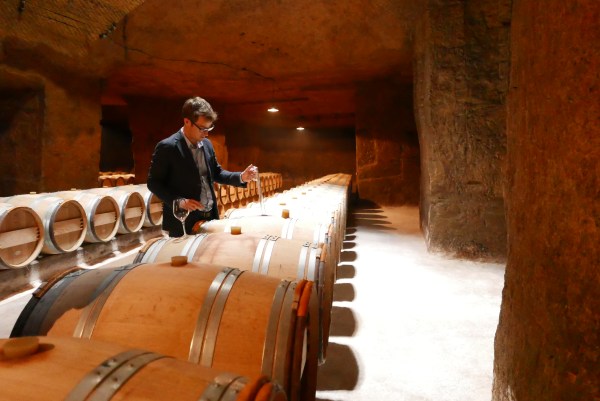
I must thank Edouard for generously spending so much time with us and to FICOFI too for the impeccable arrangements.

Very old vines of Château Ausone located above the caves
Ric arrives at Tertre Roteboeuf
One of my very best winery visits ever took place on the very hot afternoon of 27 June 2019 when temperatures soared to 39 degrees Celsius at Saint-Emilion. Air-conditioning in Europe is notoriously under-powered, even on board the coach we were traveling, and we were severely cooked as we desperately searched for this elusive tiny non-classified property of just 5.7 ha known to be sited atop a steep hill. GPS was absolutely correct about the location. It was just that we had driven too fast past the almost inconspicuous pair of stone pillars where the words TERTRE ROTEBOEUF were etched in red. It was way past the appointed hour of 2.30 PM by the time we drew up to its short narrow driveway. The man himself, M. Francois Mitjavile, was on hand to receive us as we knocked on the door of the very modest building that is also his residence. Thankfully, Francois was in a kind forgiving mood as he welcomed us into his naturally-cooled living room where we gratefully sank onto the sofa and extra chairs that he’d drawn up.
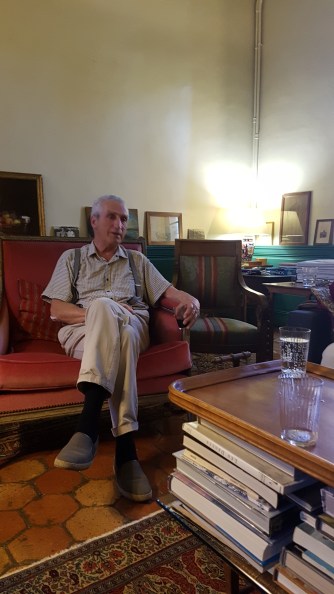
Francois Mitjavile
The whole room was strewn with books of all sorts that cover a wide range of subjects, particularly in music, the arts and literature. Even his coffee table is made up of dozens of hardcover books piled up to knee height.
Bearing more than a passing resemblance to a slimmed-down Yvés Montand, Francois Mitjavile clearly is a man who has absorbed everything that the university of life has taught him and he has learnt well. Having distilled the essence of his winemaking philosophy since he started Chateau Le Tertre Roteboeuf in 1978 (he had spent 1975-76 making the wines of Ch Figeac!), Francois began to expound his thoughts to us over the next 20 minutes in excellent elegant English just lightly tinted with the French accent. In order for wine to fulfil the ideals of Appellation d’Origine Contrôlée, Francois feels that the flavours of a wine produced from a particular location must reflect the originality of that location. To do so, it must be related to local civilisation (the agricultural and food habits of people there past and present), the soils and terroir (largely limestone and clay in one single block) and whatever each vintage brings. He notes that meats, cheeses and domestic produce in the region since the Roman times have been imbued with a natural richness. As such, the wines produced must have the savouriness to digest the richness of foods, particularly during cold winters. To achieve this, Francois feels the wine he makes need to be wines of maceration. Technically, it means the grapes have to be in a state of slight degradation at the time of harvest, having absorbed more moisture such that the skins are slightly fragile. You can tell he is against early harvesting to “secure the vintage”. Francois is not looking for power or structure or great acidity. His wines must achieve depth, freshness, elegance and grace in a harmonious dynamic balance. There must be flavour of structure, not aggression of structure. The aromas and flavours must evoke an emotional response, just as in great music, rather than impress upon the mind. When asked what would be his hallmark signature, he replies: “You do not make what you want. You express the situation. Therefore, you do not own it.” There is no sorting or selection of grapes. There is no second label. Francois produces whatever the vintage conditions allow him to. And unlike most other estates, Francois uses only one and the same cooper all the time – Radoux – which understands him well. Listening to him, one is left in no doubt that Francois has been transfigured through a lifelong process of intellectual rigour.
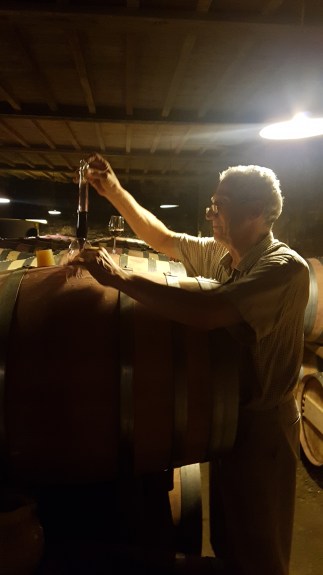 We moved to the modest cellars which has not been renovated for decades but from which he creates his magic. Francois was obviously in a generous mood as he poured whatever was asked of him: “Is 2018 truly the best vintage yet?”; “A wine retailer was trying to sell me the 2003 Roc de Cambes but I thought the 1995 may be preferable. Is it true?”; “How is 2018 different from 2017?”; “1997 was an off-year…”. Francois doesn’t really answer your questions. He prefers that you discover the answers yourself. As to the most important question of why has Tertre Rotebouef eschewed the Saint-Emilion classification totally, it is simply because Francois has no use for that. Not for him the potential financial gains or power. He is happy doing what he feels is right. Even the word “Chateau” has been omitted on the label. Maverick or rebel? Genius or method? The answer, perhaps, is all of the above. His wines sing most naturally and effortlessly. They are beautiful without calling attention to themselves. Merci beaucoup Francois for your time, your brilliance and your hard work. This has been the masterclass of masterclasses.
2018 Tertre Roteboeuf. Tasted from barrel. Deeply coloured. Arresting aromas of dark roses and red currants with savoury overtones, yet with an expressive delicate fragrance. Explodes on the palate with a lovely layered depth, displaying great richness, concentration and sublime acidity with a savoury hint, superbly fresh and ripe, culminating in a lovely even persistence. One is never conscious of its understated structure. This is a wine of supreme feminine confidence. No wonder Francois feels the 2018 is his best ever. Outstanding.
2017 Tertre Roteboeuf. Tasted from vat. Darker with a more developed earthy dusty tone marked by thyme and Asian herbs, displaying very good level of fullness and concentration of ripe dark plums, cherries and dark currants on the medium-full palate. Highly supple, imbued with minerally elements and fine acidity that imparted some spiciness at the sides, structured with svelte understated tannins. Distinctly masculine.
2003 Roc de Cambes. Popped and poured. Lovely exuberance of ripe red fruits, currants and cherries on the nose that carried well onto the palate with great presence amid overtones of velvety sweet meat, yet very subtly structured with gentle elegance. Very fresh and fleshy, finishing well without any trace of heat stress. Excellent.
1995 Roc de Cambes. Popped and poured. Medium-bodied. Fleshy and relaxed, seamlessly layered with a wonderful complex of mature red fruits, cherries and redcurrants that proffer subtle seductive tertiary characters, gently effusive, displaying a certain cool ripeness with subdued acidity and tannins that are barely perceptible, finishing with a gentle glow. Most lovely. Caught at its absolute best.
1997 Tertre Roteboeuf. Absolutely glorious, fully developed with deep layers of red fruits, dark cherries, currants and savoury smoked meat that exude sensual complexity with rich elegance. Superbly integrated. A complete wine. So much for so-called “off” vintages. Outstanding.

Ric visits Château Pavie
The success of Château Pavie would surely not have been possible without the brilliant entrepreneurship of M. Gerard Perse. Having successfully built up a supermarket chain (that became Carréfour after he had sold it), M. Perse turned his attention to wine, investing in Château Monbousquet and then Château Pavie in 1998. Continually re-investing to improve the estate’s image and facilities as well as quality and appeal of its wines, Château Pavie finally attained its exalted status of Premier Grand Cru Classé “A” in 2012.
 Named after a bygone era when peaches used to grow in its present grounds, Château Pavie is a 37-hectare estate divided into 21 sub-plots, planted with 60% merlot, 25% cabernet franc and the remainder cabernet sauvignon on a lovely south-facing slope that facilitates even exposure to both the morning and afternoon sun. The top part of the slope is largely limestone while clay and pebbly soils dominate the lower reaches. The average age of the vines is 45 years. Parts of the higher slopes are naturally terraced which helps to shield the vines against extreme heat. Harvesting is usually completed within ten days. The grapes are sorted by hand with the aid of optical sorting as well. Pumping over takes place twice daily while the wine is sitting in vats for six weeks. Up to eighty percent new oak is utilised for ageing while five percent pressed wine is introduced into the second label. About 120,000 bottles are produced annually.

Magnificent sculpture of Qin Shihuang’s chariot gifted by a wealthy admirer from Zhuhai, China.

Château Pavie must be surely be one of the most striking estates in Saint-Émilion. Located about two kilometres from the touristy village, the extensive grounds comprise magnificent limestone buildings (erected in 2011) that house the chai as well as a luxurious 5-star hotel called the Residence Pavie (where I stayed), Château Pavie oozes sheer opulence that, thankfully, has been translated into tasteful refinement, tremendous style and utter sophistication. The lobby of the main building is tiled with expensive glossy marble flooring while the Chanel-inspired curtain drapes are specially tailored to match seamlessly with the window frames. The colour hues, materials and furniture arrangement in the tasting annexe are carefully co-ordinated to exude relaxed elegance.
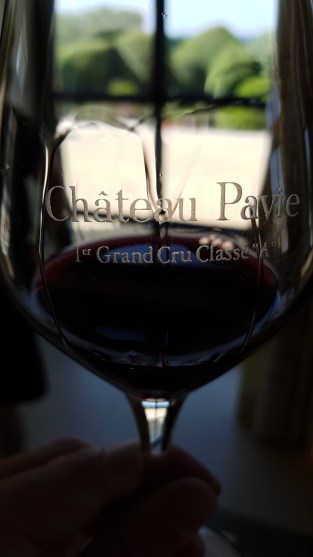
2012 Château Pavie
There is no place for vulgarity or obscene excesses. Such is the immediate appeal of the whole place that one simply surrenders to its disarming charms in spite of the obvious pervasive premium that comes with it.
That, in a nutshell, may also describe the style of its wines. Tasted at the château on 26 June 2019, the 2012 Château Pavie (70% merlot, 20% cabernet sauvignon and 10% cabernet franc), displaying a beautiful deep garnet red, was still somewhat closed even after having been double-decanted for 90 minutes though some eventual whiffs of dark plums, dark currants and redcurrants came through. The wine is distinctly masculine, structured with great acidity and deep layers of warm ripe plummy fruit on the medium-full palate, rounded with excellent concentration, very fine subtleties and inner definition in spite of its tremendous verve and energy, its detailed tannins imparting a superb sappy mouthfeel as it tapered towards a glowing finish amid traces of earth, already quite seamless even at this infantile stage. Since the Perse era, the modern style of Château Pavie has polarised opinions but like the estate itself, it is easy to fall into its charms when such loveliness abounds.
Ric visits Château La Fleur-Pétrus
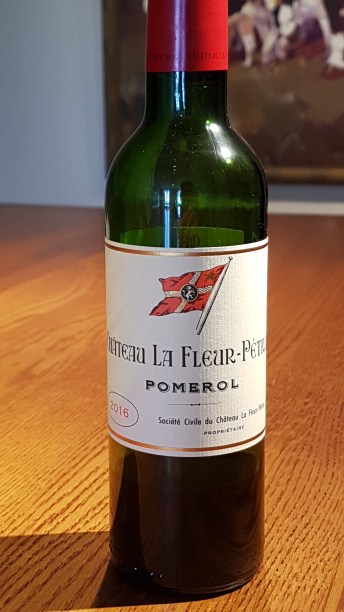 Château La Fleur-Pétrus used to be perennially under-rated and under-appreciated, with many thinking that it was trying to ride on the coat-tails of Château Pétrus. However, a closer look at its history and make-up will reveal that this is an estate that fully merits its current status as a much sought-after Pomerol. When we arrived at 1030h on the cool overcast morning of 25 June 2019, we were welcomed by the estate’s ambassador Mme. Nathalie Millaire. Tracing its roots back to the 18th century under the Arnaud family, the modern history of Château La Fleur-Pétrus only began in 1950 when Jean-Pierre Mouiex purchased the estate, comprising a solitary parcel of vines on the northern plateau of Pomerol, a choice plot immediately sandwiched between Château Pétrus and Château Lafleur. The terroir of this pioneering plot is noted for its rich layers of iron beneath the pebbly soils drained by a northerly slope, yielding notes of elegant black cherries in the wine. His son Christian then acquired a second parcel comprising gravelly clay located just in front of the current chateau building (an area known as Tropchaud), abutting the vines of Château Lafleur and Château Hosanna, that lends tremendous suppleness with a hint of plums. A third and final parcel was acquired by Edouard (Christian’s son) as recently as 2012, sandwiched between the vines of Château Trotanoy and Le Pin, comprising gravelly soils that lend structure and dense blackcurrants to the wine. Totaling just over 18 ha planted with 90% merlot (30 year-old vines) and 10% cabernet franc (50 years) at a density of 6,500 vines per ha, only some 60,000 bottles, at most, are produced annually. The vines are old, averaging 65 years. The grapes are handpicked and sorted with state-of-the-art optical sorting. Cold maceration takes place for 18-24 days in both concrete and temperature-controlled stainless steel vats, whilst aging takes place in 50% new oak over 18-22 months.
 With such proximity to such illustrious neighbours, expectations are high for this estate. The 2016 Château La Fleur-Pétrus, tasted from half-bottle, displayed distant aromas of cool fruit with some gentle earthiness whilst dark fruits, plums and currants dominate with lovely concentration and intensity on the palate, fleshy and highly supple, marked by lively acidity, well-managed tannins and excellent linearity throughout its length, just a tad short. I’d imagine a standard bottling or magnum would produce outstanding results. Prices for Château La Fleur-Pétrus have already climbed significantly over the past decade, in part due to more aggressive promotion by those with vested interests, but the concomitant improvement in quality as well as huge potential of the wines may justify the premium. Merci, Nathalie, for your precious time and insight.
FICOFI: Louis Jadot 2015, 2014 & 2005
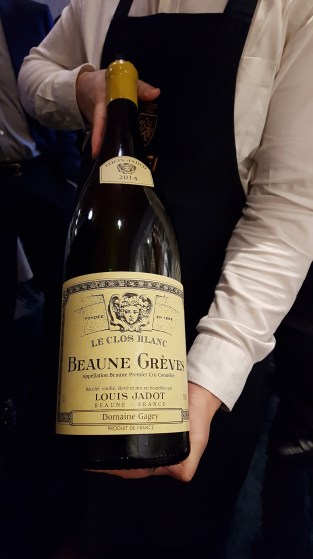 Thibault Gagey (son of owner Pierre-Henry) of Louis Jadot held a masterclass under the auspices of FICOFI at The Straits Clan, Singapore, on 30 May 2019 that focused on three of its principal reds – Clos Saint-Jacques 1er, Chapelle-Chambertin Grand Cru and Chambertin-Clos de Beze Grand Cru – each featuring the same vintages of 2015, 2014 and 2005.
I arrived on time to find Thibault in great spirits even though he had spent the week through a whirlwind East Asian tour. As we chatted, the 2014 Domaine Louis Jadot Beaune Greves Le Clos Blanc 1er was being poured liberally from jeroboam. A blend of two plots totaling 1.1 ha, this wine proffers an effusive sweet floral bouquet cloaked within a solid sheen of creme de la creme, exuding a delicate perfumed fragrance that imparted a distinct feminine presence, further enhanced by its fine balance, gentle acidity and transparent minerality. Most lovely.
Before we sat down at the long table, Kok Hong (the preferred sommelier of FICOFI) quickly poured me another pair of whites that was non other than the domaine’s 1.8 ha Corton-Charlemagne Grand Cru (another 1.0 ha of their Corton is planted with pinot noir), vinified in whole bunches in 228-litre barrels for 15 months with one-third new oak. The 2017 Domaine Louis Jadot Corton-Charlemagne Grand Cru exudes a distinct bouquet of grassy elements and fresh morning dew, imbued with sublime acidity that conferred taut tension across the palate, displaying great concentration, balance and proportion, seamlessly integrated. When a wine such as this has everything in place right from the outset, it’s potential cannot be over-estimated. In contrast, the 2011 Domaine Louis Jadot Corton-Charlemagne Grand Cru proffers cool white fruit amidst floral signatures, medium-bodied, beautifully rounded with an even tone, displaying wonderfully transparent textures with a soft easy charm. Most understated, it took on a more prominent note of menthol over time as it fleshed out with greater fullness, finishing well.
Starting the tasting proper, we began first with the famous 6.7 ha Clos Saint-Jacques 1er of which Louis Jadot owns 1.0 ha, purchased in 1985. There are only four other owners of this hallowed plot (Armand Rousseau with the lion’s share at 2.2 ha, Sylvie Esmonin (1.6 ha), Bruno Clair (1.0 ha) and Fourrier (0.89 ha)). The 2015 Domaine Louis Jadot Gevrey-Chambertin Clos Saint-Jacques 1er gave off distant hues of rose petals, rather reserved on the nose while the palate is equally placid with a quiet intensity in spite of the excellent fullness and purity of fruit, taut with sleek acidity and linearity. Great potential here but clearly in need of further cellaring. Next to it, the 2014 Domaine Louis Jadot Gevrey-Chambertin Clos Saint-Jacques 1er displayed a good pinot tint with a hint of burnt toast on the nose amid recessed red fruits, fleshy and well-structured with sandy minerally textures that appear to be highly characteristic of the vintage, imbued with very fine acidity that tapered to a lasting finish. The full potential of this vineyard was revealed in the 2005 Domaine Louis Jadot Gevrey-Chambertin Clos Saint-Jacques 1er.
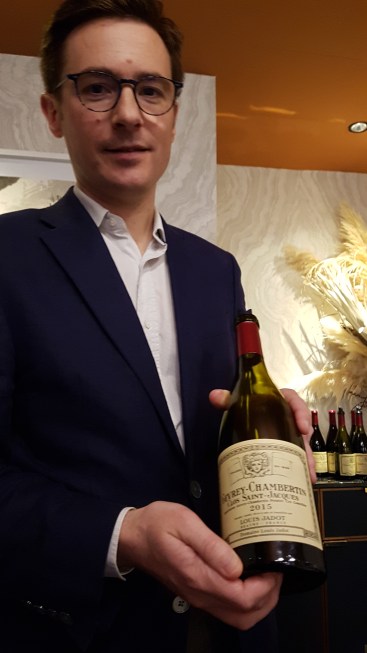
Thibault Gagey
Notably richer on the nose with a lovely burnished tone, this wine displayed excellent presence and intensity with a fleshy roundedness, exuding delicious juicy succulence with very well-integrated acidity, very lovely in its transparent textures. Very sleek and well-balanced, finishing with a lengthy sweet glowing persistence. Excellent.
The tasting moved on to Chapelle-Chambertin where Jadot’s lot is grown from American woodstock. The 2015 Domaine Louis Jadot Chapelle-Chambertin Grand Cru displayed a most enticing nose of red fruits and cherries with rosy hues, richly layered with red fruits and raspberries that exude a fabulous controlled intensity that matched very well with the superb ripeness, acidity and fullness. Superbly balanced without any jarring parts. Excellent. The 2014 Domaine Louis Jadot Chapelle-Chambertin Grand Cru was well-developed on the bouquet, displaying violets, blueberries and raspberries with some early complexity, while the open and fleshy palate was slightly more earthy and minerally, entirely consistent with the vintage as noted with the Clos Saint-Jacques above. Very fine, just missing the opulence of the 2015. The 2005 Domaine Louis Jadot Chapelle-Chambertin Grand Cru was surprisingly reserved in spite of the significant bottle age, almost aloof. Although it was quite fleshy, open and approachable in its medium-bodied proposition, it wasn’t the most profound of wines, well balanced though a bit more minerally on the whole.
Finally, we come to Jadot’s 0.42 ha Chambertin-Clos de Beze Grand Cru, comprising largely old vines from American woodstock first planted in 1922-23. Bold, rounded and dark, the 2015 Domaine Louis Jadot Chambertin-Clos de Beze Grand Cru was surprisingly open at this stage with highly supple textures, generously layered with dark currants and cherries, very lively and sophisticated and subtly structured with fine intensity, finishing with great persistence. Excellent. The 2014 Domaine Louis Jadot Chambertin-Clos de Beze Grand Cru, brighter in tone and colour, was imbued with a predominance of red cherries and currants that exude a lovely controlled fragrance though it is tipped towards a more minerally balance on the palate, highly supple but somewhat reserved in demeanour, a little short as well. In contrast, the 2005 Domaine Louis Jadot Chambertin-Clos de Beze Grand Cru is a glorious example of Chambertin at its prime: highly effusive in raspberries and dark currants on the nose, very lovely in ripeness and depth, equally stunning as well on the palate where its suppleness, sublime acidity and subtle intensity of dark currants, red cherries and raspberries evoke excellent presence underscored by complex graphite minerals, all very well balanced with youthful intensity. Brilliant! A fitting piece de resistance to a wonderful lineup.
These tasting notes stem from a fairly extensive Bordeaux promenade organized by FICOFI at Empress, Singapore, on 08 June 2019. All the wines were showing well, each reflecting very well the individual vintage characteristics. For once, the Right Bank appeared to have outshone the Left Bank in character and potential. The highlight of the line-up, for me, must be the 1997 Figeac, perennially under-rated but here, its natural beauty and elegance is perfectly caught. Many thanks, Philippe and Chee Wee, for a lovely afternoon.
2016 Pavillon Blanc du Ch Margaux. Fresh grassy elements dominate with a delightful glow of delicate morning dew on the nose, matched by a lovely oily density on the medium-full palate amid white floral tones, displaying superb acidity and integration, finishing with glowing tones of nutmeg and Asian spices. Excellent.
2016 Y d’Yquem. Not much on the nose, proffering only glimpses of clear morning dew and citrus before it grew in confidence, more gently seductive as it revealed layers of enticing tropical fruits with subdued sweetness at the sides, only to lapse into a quiet linear finish. Don’t waste it.

2001 Ch Margaux. Smoky tones of sweet incense and dark currants dominate on the nose along with characters of bramble and briar. Medium-bodied and classically structured with cool dark fruits, showing good acidity and integration but it is rather underwhelming.
1999 Ch Lafite Rothschild. Good colour, exuding a gentle glow of red plums. Medium-bodied and fleshy with pointed acidity that conferred lovely freshness, but this still cannot disguise its relative lack of the quintessential Lafite charm and velvetiness, a tad short as well. Underwhelming.
2004 Ch Latour. Good colour, stuffed with a generous expanse of mulberries, dark fruits, raspberries and early cedar with a mahogany glow. Warm, rounded and seamless, showing great integration and subtlety in its structure and acidity although there seemed to be a lingering trace of woodiness. A classic claret though without that extra dimension that comes with the best vintages.
2009 Ch Mouton Rothschild. There’s obviously plenty of stuffing beneath but this wine is resolutely shut on the nose, though open enough on the palate with fine transparency, well-layered with ripe dark fruits and red currants amid overtones of camphor and haw flakes, laced with very fine acidity, finishing quietly. A very well-behaved aristocrat that will need many more years to come around.
1988 Ch Palmer, poured from magnum. Displaying an evolved vermilion, this wine is absolutely radiant in its wonderful bouquet of bright orangey tangerines and red fruits, still imbued with remarkably fresh acidity in its rounded fleshiness, highly seamless, carrying tremendous verve and energy all the way through to its lengthy persistence. Simply outstanding.
1995 Ch Clerc Milon, poured from double magnum. Well evolved in tone and colour. Rather full and velvety, caressing the palate with a broad expanse of warm supple fruit, very lovely in its ripeness, superb integration and acidity. Just a tad short at the finish, but this wine exceeds all expectations by a broad margin. Truly excellent.
1995 Ch Leoville Las-Cases. Deep garnet red. Effusive in smoky dusty aromas, beautifully structured with taut tension that added infinite definition to the gorgeous complex of complex dark fruits and currants within, exuding alluring opulence and charm without the plumpness. Excellent.
1970 Ch Cos D’Estournel. Dark garnet red, imbued with broad swathes of warm ripe fruit, dark plums and black currants within its layers, still remarkably excellent in concentration, fullness and acidity, far from drying out. A second bottle was even more delicate in inner detail, open and brightly lit. Has the legs to carry on for many more years. Excellent.
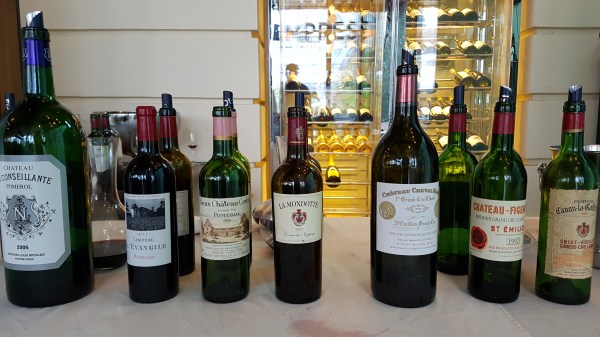
2011 Ch L’Evangile. Deep purple, proffering a lovely complex on the bouquet that delivered a superb concentration of dark plums, red fruits and dark currants on the palate, very well integrated with taut acidity that conferred plenty of verve and vigour even though the spectrum of flavours is rather narrow at this stage, finishing with great excitement. Already drinking very well but it deserves further cellaring in order to flesh out more. Excellent.
2005 Ch La Conseillante, poured from double magnum. Impenetrably dark, exuding an effusive deep glow of delicious dark currants and black fruits amid overtones of fresh leather. Amply endowed with glorious ripe fruit with a distinct note of soy that impart taut acidity and tension, beautifully open with velvety textures, revealing a bit of gritty detail as it tapered to a glowing minty finish amid traces of sweet. Outstanding.
2005 Ch La Mondotte. Deep garnet red. Wonderful depth of dark plums, red currants and dark berries bathed in glowing varnish. Full-bodied and expansive, tight with superb acidity and warmth without being overwhelming. Excellent.
2004 Ch Cheval Blanc, poured from magnum. Very dark, from the depths of which arose a great glowing perfumed fragrance. Medium-full and quite brightly lit on the palate, rounded with smooth absolute linearity and layered with delicious presence, finishing well. Yet to differentiate at this stage. Do not waste.
2006 Vieux Chateau Certan. Displaying some early evolution, this wine is essentially shut, although the palate is imbued with excellent density and fullness with a glossy sheen of emulsion, richly layered with an immense depth of dark currants and dark plums, superbly ripe with wonderful acidity, still tight but opening up with some fine inner detail, finishing with great linearity. Great potential.
1982 Ch Canon-la-Gaffeliere. Evolved clear vermillon, exuding a gently perfumed tertiary glow. Open and rounded, softly layered with good depth of delicious red fruits on a velvety bed, still imbued with great acidity and amazing freshness, finishing well. Most remarkable. Quite superb.
1997 Ch Figeac. Showing some evolution at the rim, this wine exudes the classic glow of an aged claret, distinctly feminine in its abundance of red fruits and tangerines. Softly textured, open and highly supple, laced with very fine acidity that still excites the senses, flowing with a very natural unforced elegance right through to its delicious finish. This is why Figeac is held in such high esteem by those who appreciate. Marvellous.
2003 Ch Coutet Madame Cuvee. Highly enticing in its deep golden lustre, delivering an intense concentrated expanse of nectarine and apricot with controlled sweetness and high-toned intensity. Yet to develop true complexity, this is a Barsac for the ages.
 Ric's Wine Journal