FICOFI: Château Palmer 1999-2006
This tasting stems from a FICOFI function held at the Ritz-Carlton, Singapore, on 08 June 2018 in the presence of the CEO of Château Palmer, M. Thomas Duroux. I have never come across anyone who has anything against this excellent troisième cru. Since the 1980s, Ch Palmer has consistently run Château Margaux really close. In certain vintages, particularly in 1983, 1989 and 1999, I’d say that Ch Palmer may even be the better wine, especially when one factors in the price differential. Of course, Ch Palmer is more expensive now than before, but it has consistently pushed the boundaries of its quality such that the gap between itself and Ch Margaux has narrowed tremendously. In particular, it is in the so-called off vintages that Palmer represents great value. For this evening, FICOFI has showcased Ch Palmer from the best years although 2006 is probably more classic rather than outstanding. The 2010 Alter Ego de Palmer is superb but it’s a great pity we didn’t have the 2010 Ch Palmer on hand too to do a side-by-side comparison. Overall, my impression is highly consistent with a recent vertical that I’d reported in November 2017. It would be fascinating to compare Palmer versus Margaux, vintage for vintage. That would be a great wine theme to consider.
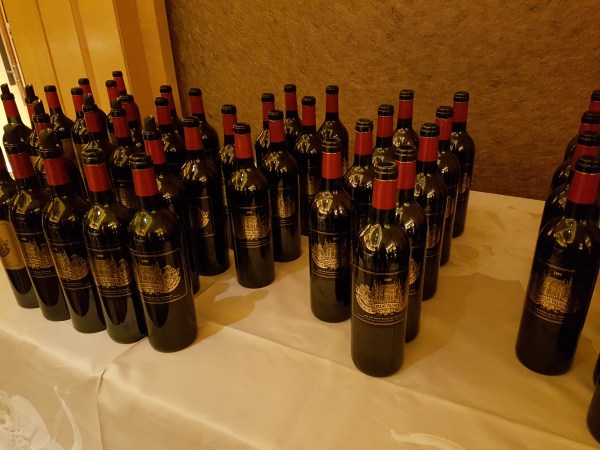
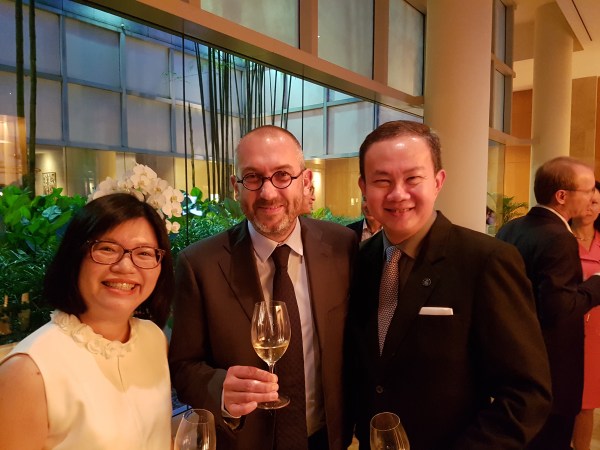
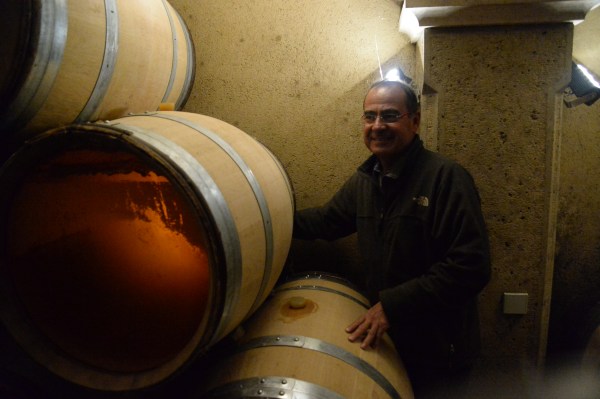
With Thomas Duroux, CEO of Château Palmer
2007 Delamotte Blancs de Blanc. Lovely bouquet of delicate citrus, wild flowers and lime of excellent density. Good presence on the palate, more minerally with characters of aged chalk. Expansive without being opulent, finishing well.
2010 Alter Ego de Palmer. Deep garnet red. Intense complex bouquet of dark plums, black berries, ripe wild berries with traces of licorice, dark chocolate and black currants. Very well replicated on the palate with a luxurious sheen of very warm ripe fruit still coated in some enamel, very well layered with excellent concentration within a delicate tannin structure though not showing much complexity. Highly pleasurable. Probably the most successful Alter Ego ever.
2006 Ch Palmer. Rich ripe bouquet of blackberries and cassis, exuding sweet aromas. Medium-full. Rounded with good presence and definition that benefitted from its transparent textures, still tannic at this stage though the wine is, surprisingly, gentle in intensity, developing more smoky tones over time. Not quite settled yet.
2005 Ch Palmer. This wine has shut down considerably though the medium-full palate is imbued with abundant ripe raspberries and mocha that imparted superb acidity and structure, taking its time to flesh out. Plenty of raw potential, a wine that’s still far from its peak. Best to lay down.
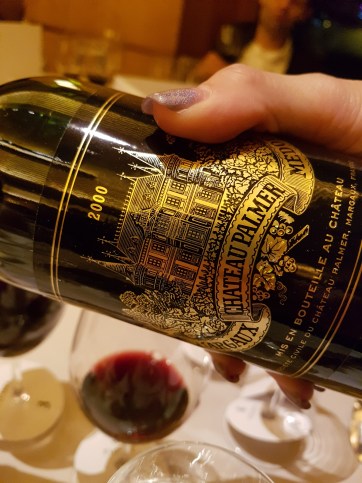
2000 Ch Palmer. This wine exudes a dark earthy pungency amidst aromas of delicious dark currants. Very open and highly supple, richly layered with gorgeous ripe fruit with a rich core of marmalade and soy on a cedary floor within a velvety tannin structure that tapered to a long glowing persistent finish. Highly luxuriant and sophisticated in feel. Superb.
1999 Ch Palmer. Gentle aromas of soy and ripe dark berries on the nose. Medium-bodied. Rounded and feminine in character, showing good transparency but not quite as succulent as I remembered, missing a bit of stuffing. Surprisingly short as well. I’ve always felt that the 1999 Ch Palmer is better than the 2000 but this may have to change as it is beginning to show some of the shortcomings of this vintage.
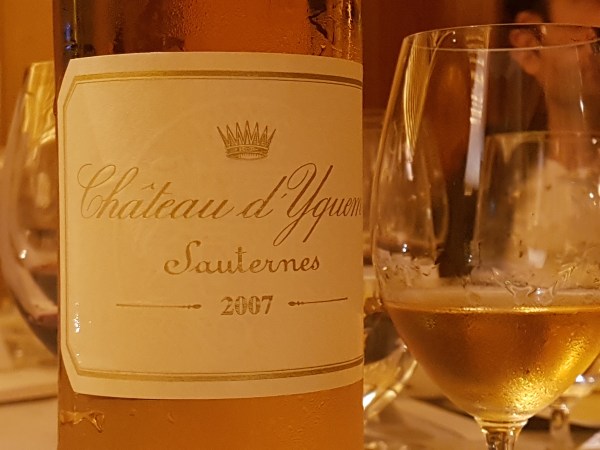
2007 Ch d’Yquem. This Sauternes from a perfect growing season is fully deserving of all its accolades and more. Deep and luscious, highly lifted in apricot and nectarines with an infusion of sweet incense on a full and concentrated palate, seamlessly integrated with broad swathes of sublime acidity, showing wonderful focus, definition and delineation throughout its superb length. Still infantile but already highly precocious. Outstanding.
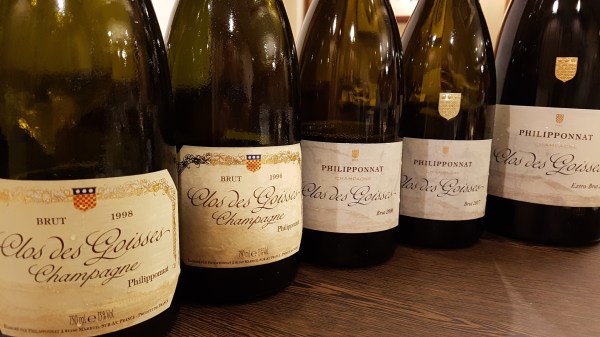
FICOFI: Philipponnat Clos des Goisses 2008, 2007, 2006, 1998 & 1996
Champagne Philipponnat, the crown jewel of Ay, has a proud history that may be traced back to 1522. At one time, it had supplied to the court of Louis XIV as well. Today, the maison is run by Charles Philipponnat, the 16th generation direct descendent. Of the 17 hectares owned by Philipponnat, the 5.5 ha walled monopole of Clos des Goisses must surely rank as one of the most unique sites of all Champagne. Sited on a very steep slope with a 45-degree incline facing south, not unlike the steep terraces of Rhone, it is planted with both chardonnay and pinot noir in a ratio of about 40:60, subdivided into 14 lots. That’s how its name came about, as goisses means “a steep slope”. These vines are now aged about 35-40 years. Nobody really knows what prompted Philipponnat to grow pinot noir at this place, but I guess the cool northerly climate and altitude are probably important considerations. Philipponnat is truly one estate that likes to do things against the grain. Aside from fashioning its champagne with a predominance of pinot noir, the maison extracts only the very first press from ripe grapes. No new oak is used and the wine is left on lees in bottle longer than usual to enhance depth and complexity. Annual production of Clos des Goisses ranges between 6000-40,000 bottles, depending on the extent of frost damage, if any, during the growing season. Tasting a generous vertical with Philipponnat’s export director Antoine de Boysson organised by FICOFI at the Four Seasons, Singapore, on 22 November 2018, the Philipponnat Clos des Goisses is highly consistent in its display of power, delicate fine detail, structure, precision and elegance with the pinot component being so subtly integrated within the depths. This is why Philipponnat has always been my favourite champagne. The 2008 is a must-buy, while I can tell you in advance as well that the forthcoming 2010 release in a couple of years will be the lowest yield ever.
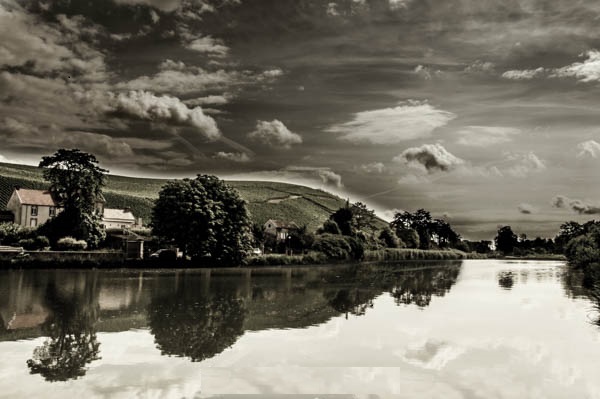
Clos des Goisses (picture from ilovechampagne.fr)
2008 Philipponnat Clos des Goisses Extra Brut. Poured from magnum. In this stellar vintage where chardonnay has been absolutely stunning, Philipponnat has wisely fashioned its 2008 Clos des Goisses with a predominance of chardonnay rather than pinot noir. The outcome is a great success. This wine opens with a fabulous bouquet, effusive in dense aromas of delicate lime, white and yellow citrus that carried seamlessly onto a palate richly layered with very fine complex flinty minerals, displaying great vigour, concentration, acidity and structure that oozed with seductive sweetness on a bed of soft gentle minerals that conferred glorious texture, linearity, stunning inner precision and detail, finishing with great persistence and dry intensity. Wonderful stuff, absolutely enthralling. Outstanding.
2007 Philipponnat Clos des Goisses Brut. Slightly more reserved though showing good lift on the palate with classic tones of champagne underscored by darker deeper notes of cool ripe pinot amidst gentle yeasty undertones. Medium-full, displaying dry minerally textures with some dry intensity, finishing with good linearity along with gentle traces of pomelo and bitter lemon, very well balanced with fine presence.
2006 Philipponnat Clos des Goisses Brut. Wonderful lift, noticeably more deft and agile, proffering very finely-grained honeysuckle and fig with a deeper note of currants. Rounded on the palate with lovely presence and concentration, very fresh, displaying a broad expanse of dryish fullness with delicate tones. Possesses great verve, depth and balance within a compact structure. Excellent.
1996 Philipponnat Clos des Goisses. Lifted deep aromas with a slight earthy note of aged minerals. Displays great expanse and depth on the palate with a distinct old recessed chalkiness with flavours leaning towards darker fruits, still imbued with excellent freshness, acidity and concentration, superbly integrated with superb presence and wonderful complexity, imparting exquisite intensity throughout its lasting length. Outstanding.
1998 Philipponnat Clos des Goisses. Rich bouquet of honeyed toast, exuding excellent depth with a lifted tone of apricots that led to a full palate layered with ripe dark berries and aged chalky tones underscored by a deep vein of stern minerals, finishing with superb dry intensity. Not as exuberant as the 1996 and it definitely feels older than it is.
Ric arrives at Domaine A-F Gros
Anne-Francoise Gros is the cousin of Anne Gros, her father being Jean Gros (brother of Francois Gros). She shares the same grandfather as Anne: Louis Gros. As alluded to in my previous post, Domaine Louis Gros ceased functioning in 1963 and was split into three domaines, one of which was Domaine Jean Gros. Jean had three children (Michel, Anne-Francoise and Bernard), each of whom eventually set up their own individual domaine with holdings derived from Domaine Jean Gros, which was how Domaine Anne-Francoise Gros, based in Pommard, came about in 1988. Domaine Jean Gros itself ceased functioning in 1995. Anne-Francoise married Francois Parent, who also hails from Pommard. When we visited the domaine on the cold morning of 31 October 2018, it was their daughter Caroline Parent who welcomed us at the rather nondescript building. The domaine is now run by Caroline (looking after vinification) and her brother Mathias (management and marketing). Derived from basically the same ancestry, it is not surprising that Domaine A-F Gros has similar holdings in Vosne-Romanee as Domaine Anne Gros. Tasting the 2017s from barrel, I find a certain familial trait running through them: the wines are richly layered with lovely fruit, acidity and supple tannins, packing velvety power and regal elegance hand-in-hand. They affirm the general excellence of the 2017 reds whilst reminding us why the wines of Domaine A-F Gros are so widely revered.

From burgundywinecompany.com
2017 Domaine A-F Gros Moulin-A-Vent. Made from gamay. Lovely color. Open fragrance of dark roses, ripe dark plums, red fruits and dark currants, showing great suppleness with lovely concentration with just a hint of undergrowth and twigs. Structured with smooth tannins, laced with fine subtle acidity and intensity. Very fine.
2017 Domaine A-F Gros Bourgogne Rouge. Beautiful clear purple, proferring an elegant fragrance with a subtle minerally brightness on the palate. Noticeably leaner in structure with fruit that is set more backward. Exudes easy charm.
2017 Domaine A-F Gros Bourgogne Hautes-Côtes de Nuits. Beautiful pinot tint. Lovely gentle fragrance of cherries and raspberries. Softly rounded and supple with subtle acidity, very harmoniously integrated with a distinct feminine elegance. Excellent. Ten percent new oak.
2017 Domaine A-F Gros Vosne-Romanée Clos de la Fontaine. Monopole. Unique attractive bouquet of warm ripe red fruits with overtones of dry malt and rye. Soft, supple and fleshy with a gentle rosy elegance. Very harmonious, tapering to a gentle rounded finish. Very fine.
2017 Domaine A-F Gros Vosne-Romanée Les Chalandins. Attractive nose of rose petals and darker berries tinged with aromas of steamed rice. Somewhat dryish on the palate though showing good concentration and acidity with refined tannins. Highly attractive.
2017 Domaine A-F Gros Vosne-Romanée Aux Reas. Very rounded lovely bouquet of gentle red fruits and rose petals reaffirmed by very fine concentration and purity of fruit on the palate amidst dryish textures of earthy minerals, displaying a natural unforced expression of pinot noir. Excellent.
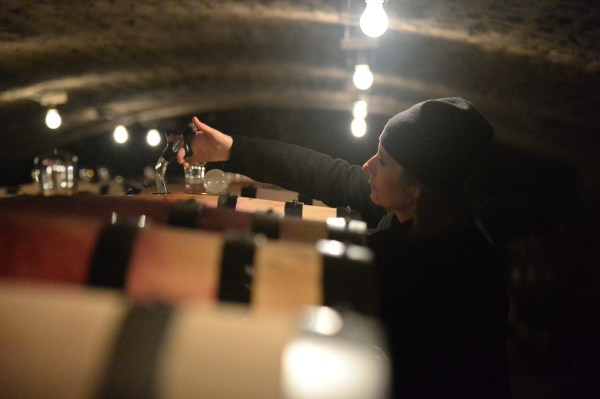
2017 Domaine A-F Gros Chambolle-Musigny. Lovely glow of ripe dark cherries and red currants on the nose and palate, displaying great seamless acidity integration and lovely intensity, just slightly dryish. Excellent.
2017 Domaine A-F Gros Savigny-les-Beaune Clos des Guettes 1er. Lovely aromatic lift of gentle ripe cherries and raspberries. Highly supple and fleshy, excellent in concentration and harmony with none of the green elements that tend to shadow some of the wines from this source. Very fine.
2017 Domaine A-F Gros Pommard Pezerolles 1er. Good lift of aromatic ripe red fruits and currants. More prounced and defined on the medium-bodied palate, offering superb presence, sublime acidity and depth, openly structured with great understatement. Excellent.
2017 Domaine A-F Gros Pommard Arvelets 1er. Darker and bigger wine, rich in dark fruits and dark currants. Beautifully ripe, rounded and supple, displaying great balance and sophistication. Not too weighty, finishing well. Excellent
2017 Domaine A-F Gros Ézchezeaux Grand Cru. Beautiful effusive glow, ample in ripe red fruit, beautifully layered on the palate with lovely velvety richness, crisp acidity and excellent concentration with just the right degree of supporting minerals, displaying good linearity throughout its length. Delicious. Quite superb.
2017 Domaine A-F Gros Richebourg Grand Cru. Glorious colour, exuding generous aromas of ripe dark cherries and currants with a hint of malt. Openly structured with superb concentration and very beautifully proportioned with lovely depth and richness, highly subtle in acidity, oozing with gentle power and intensity. Totally harmonious. Outstanding.

Caroline Parent
Ric visits Domaine Anne Gros
Mention of the Gros family of Burgundy is likely to elicit admiration for the wines as well as certain confusion as to who’s who in this famous extended family of vignerons. Madame Anne Gros is the daughter of Francois Gros whose father, in turn, was Louis Gros (1893-1951). The latter fathered Francois, Jean and Gustave. Louis ran Domaine Louis Gros, which ceased functioning in 1963 when it was split into three different domaines: Domaine Francois Gros, Domaine Jean Gros and Domaine Gros Frere et Soeur. 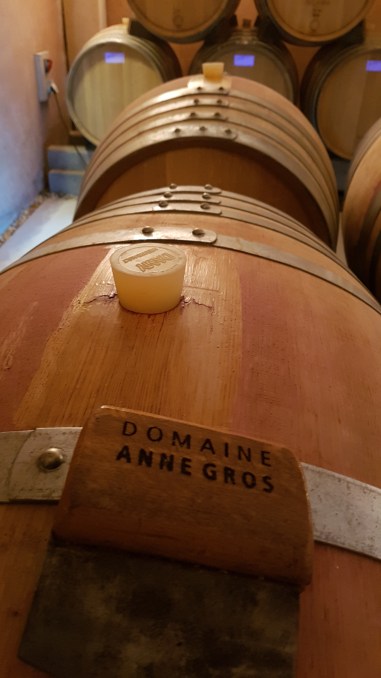 Anne Gros took over from her father in 1988 and subsequently changed the name of Domaine Francois Gros into Domaine Anne Gros in 1995. Based in Vosne-Romanee, Domaine Anne Gros manages 6.5 hectares of vines. The grapes are totally de-stemmed, elevage is limited to 12 months at most, and only up to 30% of new oak is used. When Anne’s daughter Julie took us through a tasting on the afternoon of 26 October 2018, I found the wines, particularly the grand crus, to be structured with excellent weight and concentration, yet elegant with fine acidity and tannins that are gracefully gentle, distinct feminine traits that appear to be instinctively imbued in wines made by women. Anne has also been partnering with Jean-Paul Tollot (of Domaine Tollot-Beaut in Burgundy and father of her three children) to make wines from the Minervois appellation, located within the Languedoc-Rousillon region in the south of France. Made from 35 hectares of largely century-old vines located at Cazalles at altitudes similar to that of Vosne-Romanee, these wines are varying blends of grenache and syrah. Sporting bright orange labels, these wines are big, bold, dense and weighty yet imbued with fine balance, elegance and sophistication. They certainly live up to the Burgundian spirit of Anne and Jean-Paul. Incidentally, Anne also runs a lovely guesthouse called La Colombiere in Vosne-Romanee, which was where we stayed for almost two weeks during this visit. Gazing up at the slopes of La Tache, Aux Malconsorts, Romanee-Conti and La Grande Rue every morning and evening certainly helps you to live longer and better.
2017 Domaine Anne Gros Hautes Cotes-de-Nuits Blanc. Lovely hue. Delicate nose of lime and yellow citrus. Soft, rounded and minerally, displaying fine acidity and layering. Lovely.
2017 Domaine Anne Gros Hautes Cotes-de-Nuits Rouge. Pale. Distant red fruits tinged with lemon and tangerines. Soft and fleshy with good acidity though rather straightforward.
2017 Domaine Anne Gros Bourgogne Rouge. Opague purple. Ripe raspberries on the nose. Medium-bodied. More acidic on the palate with the fruit slightly recessed, tapering to an austere minerally finish. Needs time.
2017 Domaine Anne Gros Chambolle-Musigny. Opague purple. Lovely nose of delicious ripe raspberries and cool currants. Medium-bodied, showing good weight, fine acidity and intensity, finishing well. Uncomplicated.
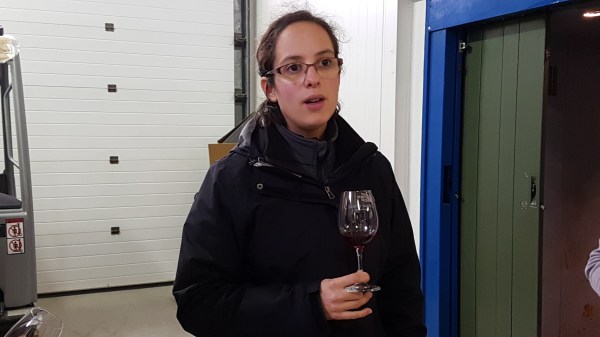
Julie, daughter of Anne Gros
2017 Domaine Anne Gros Vosne-Romanee. Dark currants and dark cherries dominate on both the nose and palate. Quite fleshy, carrying good weight, concentration and fine intensity. Well structured and balanced, finshing on a mild ferrous note that imparted some sternness.
2017 Domaine Anne Gros Echezeaux Grand Cru. Lovely bloom of dark roses, dark cherries and deep currants. Well layered with excellent presence and acidity, structured with soft sweet gentle tannins that conferred subtle intensity and graceful elegance, tapering to a gentle finish. Pleasant and delicious, distinctly feminine. Excellent.
2017 Domaine Anne Gros Clos Vougeot Grand Cru. Darker in colour and tone, recalling dark cherries and currants. Rather weighty and structured, displaying excellent concentration of dark fruits but its dominant acidity is unsettling, turning more minerally at the finish. Needs time to sort itself out.
2017 Domaine Anne Gros Richebourg Grand Cru. Effusive bouquet, generous tone of ripe red cherries, dark fruits and currants. Highly perfumed. Medium-full, amply structured with firm intensity, layered with a deep minerally streak. Superb.
2016 Domaine Anne Gros Jean-Paul Tollot Minervois Les Fontanilles. Heavy in colour and tone with an intense bouquet of dark fruits and black currants. Rather full and tight, drawing fine tension and acidity across the palate, structured with pliant supple finely-grained tannins, finishing with fine gentle intensity. Very well crafted with great sophistication. Comprises 40% grenache with other equal portions of syrah, carignan and cinsault.
2015 Domaine Anne Gros Jean-Paul Tollot Minervois Les Fontanilles. Dark big and bold, richly layered with opulent dark fruits that imparted a firm mouth-puckering sensation though its tannins are rounded with understated intensity. Actually approachable.
2014 Domaine Anne Gros Jean-Paul Tollot Cotes du Brian La 50/50. Largely syrah with a dash of grenache and carignan. Impenetrably dark, exuding a bold earthy pungency and thyme amidst an ample backdrop of black currants. Rounded and full, but still remarkably elegant with understated gentle intensity in spite of its density. Not jammy at all. Excellent.
2016 Domaine Anne Gros Jean-Paul Tollot Minervois La Ciaude. This wine exudes broad swathes of dark fruit and currants, highly delicious and fullish, rounded with very fine balance and open intensity, structured with sweet dark tannins. An equal blend of syrah, grenache and carignan from very old vines. Excellent.
2010 Domaine Anne Gros Jean-Paul Tollot Minervois La Ciaude. Impenetrable deep dark red, producing a bold hedonistic medicinal glow that delivered a massive palate of ripe dark plums, black fruits and dark chocolate, tightly coiled with huge tension. Not angular but not at all settled. Needs plenty of time.
2016 Domaine Anne Gros Jean-Paul Tollot Minervois Les Carretals. From very old vines. Impenetrably dark, exuding dense dark fruits and earthy tones with a distinct savoury tone on a full palate. Very expertly crafted with sophisticated fine tannins, side-stepping any hint of heaviness.
2017 Anne Gros La Frivole Muscat de Saint-Jean de Minervois. Deep effusive bouquet of sweet nail varnish, enamel and fresh green apples, very well-controlled in its sweetness. Sufficiently open and rounded with an enticing tone of lychees, almost luscious though not cloying, tapering to a gentle linear finish. Doesn’t betray its 15.5% abv. Lots of fun in a drop. Bottled in 375 ml with screwcap.
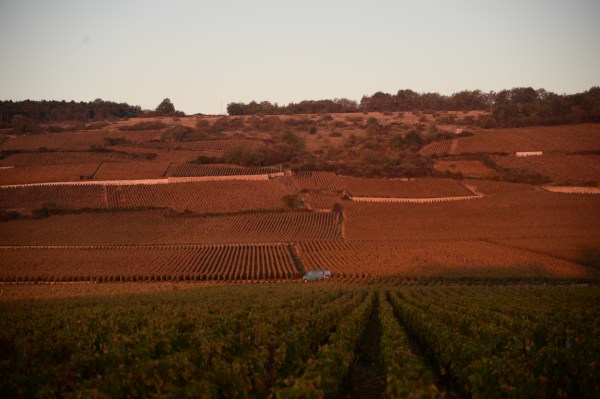
The view when you step out of Anne Gros’ guesthouse
Ric visits Domaine Arnoux-Lachaux
If the name Domaine Arnoux-Lachaux has a familiar ring to it, that’s probably because you must have come across its predecessor Domaine Robert Arnoux. Established in 1858 in Vosne-Romanée, the latter made a wide range of wines from the Côte de Nuits without being quite remarkable. Things changed in 1995 when Robert Arnoux (not to be confused with the actor), himself a fourth generation winemaker at the domaine bearing his name, passed the reins over to his son-in-law Pascal Lachaux who began instituting certain changes: 100% de-stemming, lower yields, ploughing and more new oak.

Charles Lachaux
Quality soared, enabling the domaine to expand its holdings to almost 15 hectares of choice parcels, the last addition being Latricières-Chambertin Grand Cru in 2008. That same year, the domaine’s name was changed to Arnoux-Lachaux. In 2011, Pascal’s son Charles joined the fray, the 2012 vintage being the first to be vinified under his charge. Interestingly, Charles has reverted to fermentation using 80% whole bunches and restricted the usage of new oak to 15% for village, 25% for premier cru and up to 40% for grand cru, with periods of èlevage ranging between 12 and 18 months. When we visited on the morning of 22 October 2018, Charles Lachaux himself took us through a lengthy tasting of the domaine’s 2017 from barrel, racked just three days prior and ready for bottling in another couple of months. I found the wines to be highly supple, delicate, fresh and elegant, free of heaviness and over-extraction even in the heavyweights of Vosne-Romanée. The visit culminated in a 2016 Vosne-Romanée and a 2015 Nuits-Saint-Georges Les Proces 1er, both blinded, that blew our socks off. Under Charles’ watch, Domaine Arnoux-Lachaux is clearly enjoying a further Renaissance. The wines represent outstanding value (2022 Editor’s note: but sadly no longer so). They are not to be under-estimated in any way. Merci, Charles.
2017 Domaine Arnoux-Lachaux Bourgogne. Lovely rosy hue with a gentle fragrance. Good concentration and presence, layered with gentle earthy tones, subtle in intensity. Very agreeable.
2017 Domaine Arnoux-Lachaux Nuits-Saint-Georges. Correct pinot tint. Lovely floral fragrance. Medium-bodied. Soft, rounded and supple.
2017 Domaine Arnoux-Lachaux Chambolle-Musigny. Gentle rosy hues with further notes of camphor and rose petals. Supple with fine acidity and lovely gentle intensity. Doesn’t quite carry the usual weight of Chambolle.
2017 Domaine Arnoux-Lachaux Beaune. Lovely aromatics. Gentle, clean and delicious. Fine supple presence tinged with earth. Well balanced and proportioned without any of the burliness that sometimes accompanies Beaune.
2017 Domaine Arnoux-Lachaux Vosne-Romanée Les Hautes Maizieres. Deeper nose of ripe black berries and dark cherries, most appropriate for Vosne-Romanee. Highly supple with very fine presence and balance, striking a feminine delicacy with gentle rosy characters. Drinking well.
2017 Domaine Arnoux-Lachaux Nuits-Saint-Georges Les Poisets. Ripe supple rosy notes lit with lithe earthy tones on a clean lean palate, rather delicate.
2017 Domaine Arnoux-Lachaux Nuits-Saint-Georges Les Proces 1er. Deeper aromas of strawberries and light cherries, showing good weight and density of fruit with good vigour and intensity. Very fine.
2017 Domaine Arnoux-Lachaux Vosne-Romanée Les Chaumes 1er. Shy. Very fine concentration and depth of fruit, displaying very good intensity and layering within a medium-bodied frame. Well-integrated, brimming with quiet vibrancy. Very fine.
2017 Domaine Arnoux-Lachaux Nuits-Saint-Georges Clos des Corvées Pagets 1er. Lovely perfumed fragrance, completing well a brighter warmer palate of light red fruits, showing very good levels of ripeness and suppleness.
2017 Domaine Arnoux-Lachaux Clos Vougeot Grand Cru. Glorious color and purity. Rounded and fleshy, displaying excellent presence and integration with very finely detailed tannins. Understated in intensity but vibrant in a feminine way. Attractive.
2017 Domaine Arnoux-Lachaux Échezeaux Grand Cru. Good color. Good purity and expression with excellent sense of depth. Layered with a deeper vein of fruit, showing fine acidity with understated structure and intensity. Vibrant yet delicate. Quite excellent.
2017 Domaine Arnoux-Lachaux Latricières-Chambertin Grand Cru. Opaque pinot tint, exuding lovely fresh floral tones with very fine presence and concentration. More plummy with saline minerals, finishing with racy mouth-tingling acidity. Excellent.
2017 Domaine Arnoux-Lachaux Vosne-Romanée Les Suchots 1er. Good color. Deep bouquet of bright red fruits and currants. Excellent in ripeness and concentration with finely nuanced acidity, quite seamless. Vibrant. Excellent.
2017 Domaine Arnoux-Lachaux Vosne-Romanée Aux Reignots 1er. Beautiful deep note of ripe blueberries, red fruits and currants. Very fresh. Highly supple with an unique vein of deeper fruit with seamless integration of fine acidity, displaying subtle intensity with plenty of quiet energy. Quite excellent.
2017 Domaine Arnoux-Lachaux Romanée-Saint-Vivant Grand Cru. Some attractive early complexity on the nose, predominantly red fruits with the glow of tangerines. Superb in concentration, well-layered with supple intensity, carrying tremendous energy yet imbued with lovely elegance. Excellent.
2016 Domaine Arnoux-Lachaux Vosne-Romanée. Tasted blind. Glorious color. Tremendous verve, concentration and intensity of ripe red fruits and dark plums. Highly generous, caressing the palate with fabulous purity and elegance, finishing well. Superb.
2015 Domaine Arnoux-Lachaux Nuits-Saint-Georges Les Proces 1er. Tasted blind. Glorious colour with a deep complex bouquet of ripe red fruits and red plums. Cleanly focused with excellent concentration, displaying unprecedented level of richness with well-resolved tannins, finishing with good length. Excellent.
Ric visits Domaine Philippe Livera
Many domaines in Burgundy are witnessing succession changes where the winemaking is being taken over by a younger generation, just as the incumbent had done so from its predecessor. The key difference is that the current generation of younger winemakers, thanks to a connected world nowadays, are better exposed to new ideas and exchange of knowledge that are likely to lead to better quality. Domaine Philippe Livera, which we visited in the afternoon of 29 October 2018 in the old part of Gevrey, is a classic example. Established in 1920 and known formerly as Domaine des Tilleuls where most of its wines were sold off as bulk, the reins were passed from Philippe Livera to his son Damien (the fourth generation) in 2005, who promptly effected necessary changes that have resulted in a quantum leap in quality. The domaine began bottling under its own name. Yields are low, organic viticulture and plowing are in place, harvesting by hand with 100% de-stemming, grapes are very lightly pressed with minimal lees contact while racking is carried out according to the moon phases. New oak is used a bit more liberally, up to 40% for the village wines while its Chapelle-Chambertin receives even more. Working with his sister Helene, the last four vintages have been made entirely by them without the influence of Philippe. Working on 8 hectares of family-owned vines in Gevrey-Chambertin and the northern Cote-de-Nuits, Damien brings out real quality in his Marsannay and Fixin that would have been quite unimaginable a decade earlier. I was especially struck by its Fixin and Gevrey-Chambertin Clos Village, both beautifully made and gorgeous, the latter planted just right in front of the estate and essentially a quasi-monopole of the domaine as nobody else bottles a Clos Village. Its Chapelle-Chambertin vines are located just below Clos de Beze. This is a really promising domaine, offering great quality for value. One wishes the talented Damien and his sister have access to other prime parcels in Gevrey.

Helene & Damien Livera
2017 Domaine Philippe Livera Bourgogne Blanc. From Gevrey. Very pale, closed on the nose though the palate is quite attractive. Very fresh, clean and lively, imbued with supple light green fruits melons laced with excellent acidity, finishing with a glowing minty floral flourish. Quite lovely.
2016 Domaine Philippe Livera Bourgogne Rouge. Deep in colour but shut. Quite pleasant on the palate where dark fruits dominate with some earthiness, showing good acidity supported by a minerally base, just a tad short. No new wood.
2016 Domaine Philippe Livera Fixin. Good colour, exuding aromatic dark fruits with cedary tones. Well extracted, displaying good density and concentration with very fine acidity, structured with very finely-grained tannins, carrying good weight, freshness and intensity, imparting very good mouthfeel. 40% new wood. Very fine.
2016 Domaine Philippe Livera Gevrey-Chambertin Clos Village. From 1.3 ha of rocky terroir. Deep colour. Attractive bouquet of ripe dark plums. Good extraction, producing fine concentration and acidity with a delicious gentle depth of ripe dark berries. Quite seamless. Lovely spicy finish. Quite excellent.
2017 Domaine Philippe Livera Bourgogne. Good colour. Lovely nose of warm ripe fruit and bright cherries with a firm ferrous minerally tone that carried well onto the medium-full palate. Supple and fleshy with good acidity, showing very fine bourgogne character.
2017 Domaine Philippe Livera Cote de Nuits-Village. Sourced from Brochon, between Fixin and Gevrey. Deep purple. Somewhat shut and awkward on the nose while a stern minerally tone with woody elements dominate on the palate, threatening to overwhelm the fruit, though there is good power, intensity and acidity. Needs time to sort itself out.
2017 Domaine Philippe Livera Marsannay. Dark red plums dominate with some degree of earthiness that lend an overall darkish tone, well-extracted with raw power and intensity underscored by clean focused acidity that tapered to an assertive finish.
2017 Domaine Philippe Livera Fixin. Deep colour. Bright fleshy and supple, showing good concentration of fruit with good integration of minerals and acidity, finishing with a lovely gentle glow. Excellent.
2017 Domaine Philippe Livera Gevrey Chambertin En Champs. Good colour. Attractive sultry bouquet of red fruits and dark cherries with a bright lifted tone on the palate, quite excellent in presence and acidity, structured with highly supple tannins. Quite excellent.
2017 Domaine Philippe Livera Gevrey-Chambertin Les Evocelles. Deep crimson. Good concentration of bright red fruits structured with firm acidity within tight assertive tannins, showing good linearity but lacking in dimension.
2017 Domaine Philippe Livera Gevrey-Chambertin Clos Village. Deep crimson. Lovely deep bouquet of ripe red plums, dark cherries and currants. Good attack and concentration, displaying seamless fine acidity, finishing with dry intensity. Very successful.
2017 Domaine Philippe Livera Chapelle-Chambertin Grand Cru. Deep crimson. Good concentration of dark plums and currants, very lively with exciting acidity that conferred great suppleness and tone, rounded and fleshy, structured with very finely grained tannins supported by understated earthy minerality. Only 4 barrels.
2009 Domaine Philippe Livera Chapelle-Chambertin Grand Cru. Made then by Philippe. Popped and poured ex-cellars. Very dark. Good lift of light herbal medicinal tones amidst dark cherries and black currants. Medium-full. Rather ripe and well-extracted, displaying lively acidity and vigour with early secondary nuances on a cedary floor, structured with detailed ferrous minerals. A darker than usual Chapelle-Chambertin. Excellent.

Ric visits Domaine Thibert Père & Fils
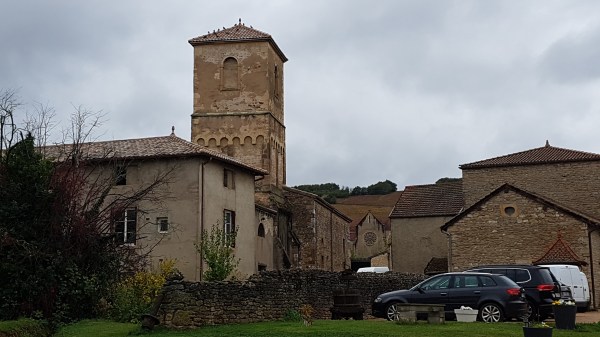
As the mainstream wines of Burgundy become more and more exposed with prices set to climb even higher as demand can never be satiated, the smart move would be to source for the “next big thing”. That may jolly well come from way south of Burgundy in the Mâconnais region, and a very strong contender there would be Domaine Thibert Père et Fils, run by Christophe Thibert and his sister Sandrine. From humble beginnings in 1967, this domaine has now expanded to 39 hectares centered around Saint-Veran, Pouilly and Mâcon, all grown and farmed entirely by the domaine. The vines are old, the oldest stretching back to the 1920s while the youngest, planted in 1969, are not young in any way. Combining traditional and modern practices, Christophe prefers the freedom to do things as he deems fit instead of being tied down to any dogma. Nestled within the rustic rolling hills of Fuissé next to an old chapel, Domaine Thibert is a modern and sophisticated set-up with clean and beautiful cellars. When we visited on the morning of 30 October 2018 after a very long drive from Vosne-Romanée, Christophe was busy tending to his various 2017s and the freshly-pressed 2018s sitting in long rows of stainless steel tanks. Running up and down, continually making fine adjustments here and there, one can see that Christophe is gripped by an absolute obsession for his passion. Christophe prefers a longer elevage of 20-22 months and uses up to 50% new oak. After tasting the 2017s, we settled down for lunch within the cellars where a line-up of back vintages had been prepared. Here, the wines truly come into their own after having spent time in bottle. They are plump, elegant and richly layered with outstanding fruit, acidity and minerality. If only we could be drinking this sort of wines every day. Well, you could, before prices start moving. Interestingly, his wine bottles are specially shaped with longer-than-usual necks, another of Christophe’s quirks. This really is an excellent domaine.
2017 Domaine Thibert Père & Fils Saint-Verain Champ Rond. Great lifted perfumed floral fragrance of light green fruits, citrus and fig that carried very well onto the finely detailed palate, finishing with lovely freshness and fine intensity.
2017 Domaine Thibert Père & Fils Saint-Verain Bois des Fee. Single vineyard. Highly delicate nose filled with lovely fullness and chalkiness coupled with excellent presence of fresh lime and yellow citrus on the palate. Very clean and precise, displaying great detail with very fine acidity and intensity. Excellent.
2017 Domaine Thibert Père & Fils Pouilly-Fuissé Les Cras. Single vineyard, from 58 year-old vines. Lovely tingling dense perfumed fragrance. Medium-full. Quite delicate and poised with clean understated intensity and structure, finishing well with excellent mouthfeel.
2017 Domaine Thibert Père & Fils Pouilly-Fuissé Vigne Blanche. Intense lime on the nose with a tinge of bitter lemon. Zesty with plenty of verve, displaying excellent concentration and acidity.
2017 Domaine Thibert Père & Fils Pouilly-Fuissé Menetrieres. Full bloom of intensely delicate lime and citrus on the nose. Medium-full. Shows tremendous zest, freshness and precision, very fine in acidity and minerality. Delicious with plenty of finesse. Excellent.
2017 Domaine Thibert Père & Fils Pouilly-Vinzelles Les Longeays. From 2 ha of vines. Lifted clean bouquet of delicate lime and citrus with a fresh clean floral bloom. Medium-full, imbued with subdued chalkiness and subtle earthy minerals, exuding lovely elegance and balance, finishing well. Excellent.
2017 Domaine Thibert Père & Fils Pouilly-Loché En Chantone. Single vineyard. Highly lifted bouquet of intense yellow citrus. Full presence of warm ripe fruit, poised with lovely elegance and understated acidity, tinged with traces of sweetness. Very lovely.
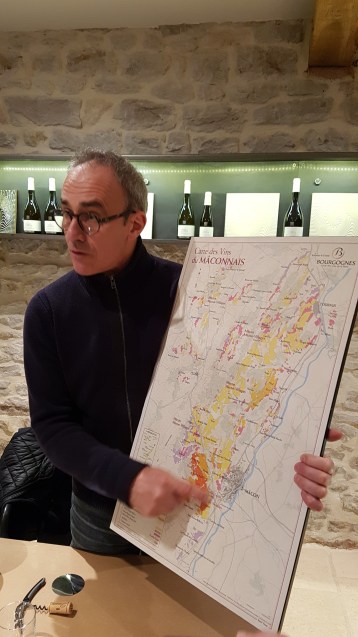
Christophe Thibert
2016 Domaine Thibert Père & Fils Mâcon-Verzé. Rich chalky creamy nose, highly attractive. Rather full and plump with a fresh clean feel on the palate, displaying good delicacy with sublime understated acidity, finishing gently with good linearity. Very pleasurable.
2016 Domaine Thibert Père & Fils Pouilly-Vinzelles Les Longeays. Plump effusive bouquet of intense white citrus and dense minerals, displaying excellent presence, concentration and transparency with fine acidity, layered with complex minerals. Lovely delicate finish. Excellent.
2015 Domaine Thibert Père & Fils Saint-Verain Champ Rond. Fabulous deep bouquet of rich creamy minerals that hinted at immense elegance. Medium-full, displaying excellent concentration, depth and intensity of fruit with great definition amidst smoky overtones and oily textures, layered with sublime acidity, finishing well. Superb.
2015 Domaine Thibert Père & Fils Pouilly-Vinzelles Les Longeays. Very unique bouquet of intense citrus, floral and savoury tones. Medium-full. Full, fresh and elegant, imbued with great acidity with further depth of fruit and a hint of gun smoke, showing some early complexity, finishing with great length and linearity. Excellent.
2015 Domaine Thibert Père & Fils Saint-Verain Bois des Fee. Superb bouquet. Glorious luminous fruit of wonderful depth, richly layered with ash, immense concentration of citrus and dense chalky minerals that stood out with chiselled presence, complemented by superb acidity and complex minerals. Plump and opulent, finishing with great linearity and persistence. Outstanding.
2015 Domaine Thibert Père & Fils Pouilly-Loché En Chantone. Dense chalky minerally nose underscored by crisp acidity with great concentration of intense citrus, showing great vigour and early complexity with overtones of ash. Weighty but well-balanced, finishing with great persistence. Excellent.
2015 Domaine Thibert Père & Fils Pouilly-Fuissé Vigne Blanche. Rounded bouquet, medium-bodied, elegantly poised with gentle white fruits and understated acidity, finishing with glowing intensity. Lovely.
2013 Domaine Thibert Père & Fils Pouilly-Fuissé Les Cras. Rich chalky bouquet, rounded with open depth with a firm full minerally tone on the palate marked by lifted citrus, not overwhelming, developing explosive complexity with food. Quite excellent.
2008 Domaine Thibert Père & Fils Pouilly-Fuissé Vigne Blanche. Poured from magnum. Deep enthralling bouquet of complex white fruits and dense minerals that led to a precise delicate palate of chalky minerals on a backdrop of dense oily petroleum textures and sublime acidity, superb in definition, finishing with great length. Outstanding.
Ric visits Domaine Jean-Philippe Fichet
Meursault is truly home to some of the best stars of Burgundy still under the radar. One of these is Domaine Jean-Philippe Fichet, started in 1981 by the man himself when he took over a fledgling winery from his father with small holdings in Meursault Les Gruyaches and Puligny-Montrachet Les Referts 1er. With a clear vision of what he wanted to achieve and a fastidious work attitude, Jean-Philippe literally worked the ground. He has his own compost-making facility, it is all manual work in the vineyards, ploughing is done by horses, farming is organic, he green-harvests, vine stock is capped at 6-7 grapes and all harvesting and sorting are done by hand. The wines are vinified with minimal new oak, at most 30%. He is truly a very busy man, evident by the fact that our appointment had to be re-scheduled to a later time of 6.00 PM on 26 October 2018. No grand crus here, and only one premier cru (the above-mentioned Referts). As in Coche-Dury and Roulot, Jean-Philippe prefers to concentrate on bringing out the best possible expression of each individual lieu-dit. His efforts have clearly paid off. Tasting through the 2017s, a generous and exceptional vintage for Jean-Philippe, one that he feels fits his vision better than the less-than-ideal 2016 where some alcoholic fermentation was incomplete, the wines of Domaine Fichet consistently exude excellent purity of fruit, balance and layering. In particular, the Meursault villages can all share the same table as Coche-Dury and Roulot, while his other whites from Monthelie, Auxey-Duresses, Rully, Chassagne and Puligny are equally superb. Domaine Jean-Philippe Fichet is where the smart money should be. Merci beaucoup, Jean-Philippe.
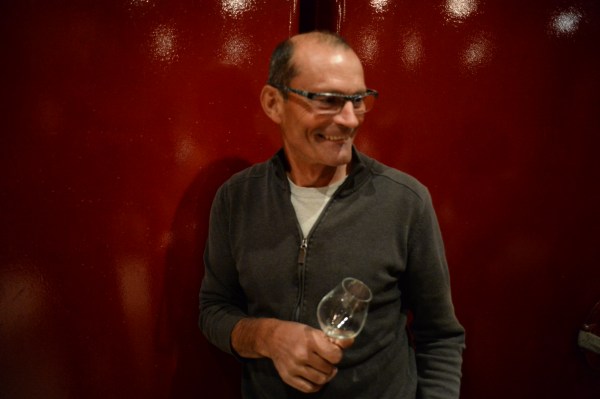
Jean-Philippe Fichet
2017 Domaine Jean-Philippe Fichet Bourgogne Aliqote. Clean grassy elements with gentle morning dew. Good concentration and firm, largely fruit driven with well-balanced minerals. Lively with good energy.
2017 Domaine Jean-Philippe Fichet Bourgogne Blanc. Clean lifted floral tone tinged with morning dew. Good attack and concentration. Rounded with fine acidity and good purity, finishing with a gentle note of white pepper. Very fine.
2017 Domaine Jean-Philippe Fichet Bourgogne Blanc VV. Lifted nose of white citrus, very cleanly focused. Medium-bodied. Quite ample, displaying very fine acidity and presence with great delicacy and elegance, finishing with quiet intensity. Very fine.
2017 Domaine Jean-Philippe Fichet Bourgogne Hautes Cotes de Beaune. Lifted full bouquet of white floral tone. Fullish with a distinct minerally tone, displaying fine acidity and intensity. Good finish.
2017 Domaine Jean-Philippe Fichet Monthelie. Full attractive floral fragrance with ripe citrusy flavors. Medium-full. Superb acidity and balance with tremendous vigour, finishing gently. Plenty of promise. Great value.
2017 Domaine Jean-Philippe Fichet Auxey-Duresses. Quite effusive. More of grassy elements amidst delicate tones, displaying clean crisp acidity and white peppery tones with good presence, transparency and structure. Finishing well. Quite excellent.
2017 Domaine Jean-Philippe Fichet Rully. Firm white floral tones on a distinct minerally palate, showing good weight and presence with very fine acidity and delicate intensity, tapering to a soft gentle finish. Very fine and attractive.
2017 Domaine Jean-Philippe Fichet Chassagne-Montrachet. Lovely balanced bouquet of dense fruit and creamy chalky minerals. Good attack, possessing just the right degree of fullness, weight and balance with an attractive deep minerally streak, rather plump, imbued with excellent power and elegance. Finished with great mouthfeel and persistence. Superb.
2017 Domaine Jean-Philippe Fichet Meursault. Mildly reductive earthy nose though nicely nuanced with raw nutmeg and fine white pepper, layered with austere minerality and prominent acidity. Very fine.
2017 Domaine Jean-Philippe Fichet Meursault Les Gruyaches. Lifted white peppery tone. Rather full. Very well-integrated with firm acidity, excellent depth and linearity. From 90 year-old vines. Excellent.
2007 Domaine Jean-Philippe Fichet Meursault Les Chevalieres. With the advantage of significant bottle age, this outstanding lieu-dit of Meursault boasts a rich creamy bouquet of distilled white fruits, beautifully delicate, showing excellent definition, exquisite detail and precision with lingering tones of vanilla, culminating in a complex finish of spicy tangy mouthfeel amidst superb acidity. Outstanding.
2017 Domaine Jean-Philippe Fichet Meursault Les Chevalieres. Still in barrel but the same DNA is evident, displaying an expansive white floral tone with excellent depth and concentration of fruit, layered with superb acidity that enhanced its inner precision and detail. Very well-balanced, tapering to a spicy tangy finish. Great potential.
2015 Domaine Jean-Philippe Fichet Meursault Les Tesson. Effusive nose of complex tropical fruits that hinted at a delicate gentle sweetness, superb in acidity and fine intensity, nicely plump and ripe, displaying great verve and wonderful length with a deep vein of fruit. Excellent.
2017 Domaine Jean-Philippe Fichet Meursault Les Tesson. Highly promising bouquet of white flowers with traces of grassy elements amidst gentle chalky tones. Good concentration. Open and highly supple, displaying great inner detail and lovely integration, ending with excellent linearity in a long clear minerally finish. Great potential.
2017 Domaine Jean-Philippe Fichet Puligny-Montrachet Les Referts 1er. Full bouquet of dense white fruits and citrus with clean crisp focused acidity well-balanced against fine minerality and overtones of white pepper, showing good linearity and expression.
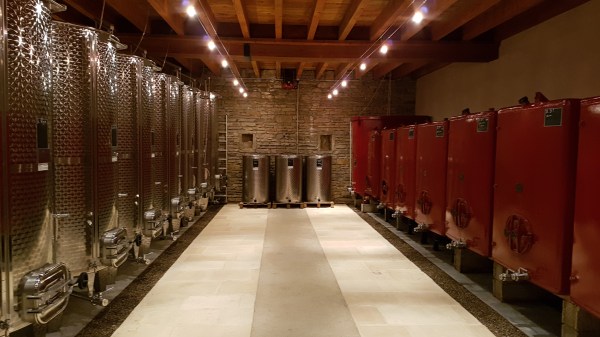
Ric visits Domaine Roulot
Just further down the same road from Domaine Coche-Dury is the other superstar of Meursault, Domaine Roulot, often (and deservedly) mentioned in the same breath as Coche. Founded in 1830 by Guillaume Roulot, its modern history took off with Guy Roulot in the 1960s. Having married Genevieve Coche, which added some prized parcels of vines to the domaine, Guy also began the process of vinifying and bottling each individual lieu-dit separately, which allowed him to understand and bring out the character of each micro-terroir. Following his untimely death in 1982, the winemaking at the domaine was supervised by three caretaker vignerons – Jacques Seysses, Ted Lemon and Franck Grux – before Guy’s son Jean-Marc Roulot was ready to step up to the role in 1989. He has been in charge since and the holdings of the domaine has expanded to 15 hectares. Certified organic since 2015, Jean-Marc likes to bring out the acidity of healthy grapes by crushing first, before pressing. New oak is used sparingly, 20% for village and up to 30% for the crus. It was a pity that Jean-Marc was not available to meet us when we visited the domaine in the late afternoon of 31 October 2018.  Nevertheless, the line-up we tasted revealed very well the superb style of Roulot: wines of compelling acidity and intensity coupled with razor-sharp precision and detail without being imposing. If one is to drink them alongside Coche-Dury, I would say the latter is a little more structured, masculine and plump while Roulot possesses a very special delicate intensity and deftness on the palate. The best is to drink a wine of the same vintage from both these domaines side-by-side over a meal, which was what we did during our trip. Buy what you can though, chances are, they are difficult to come by.
2017 Domaine Roulot Meursault. Very pale. Effusive in white citrus with delicate minerality. Fullish, showing excellent inner detail, with crisp acidity and very fine intensity. Very clean and precise, finishing with a stinging mouthfeel. Refreshing. Very fine.
2017 Domaine Roulot Meursault Vireuils. Lightly luminous. Good lift of white floral tone, dense lemon and citrus. Full-bodied, displaying clean crisp acidity and definition with more intensity than the preceding village Meursault, finishing on a distinct minerally tone with gentle persistence. Excellent.
2017 Domaine Roulot Meursault Meix Chavaux. More depth and layering on the nose where delicate floral tones and white citrus dominate. Excellent in concentration and power, displaying razor-sharp precision and definition with a deeper inner note of grassy elements. Finished with excellent linearity. Superb.
2017 Domaine Roulot Meursault Luchets. Great lift of crystalline and ferrous minerals amidst white floral tones. Superb presence and density on the palate. Rounder and more fleshy, layered with sublime acidity, very subtly nuanced, finishing with lovely gentle persistence. Excellent.
2017 Domaine Roulot Meursault Tesson Clos du Mon Plaisir. Rounded bouquet of lovely floral and minerally tones permeate throughout. Highly integral. Layered with great concentration of fruit that exuded sharp precision and definition with exquisite intensity and depth. Outstanding.
2017 Domaine Roulot Meursault Charmes-Dessous 1er. Even richer on the nose, more dense in fruit and sublime minerality. Superbly layered, rounded with exquisite fullness and intensity. Highly expressive yet subtle in its detailed nuances, culminating in a superb finish of great linearity and glowing persistence with a certain stoniness and white peppery tones, producing superb mouthfeel. Absolutely on song. Outstanding.
2017 Domaine Roulot Meursault Clos des Boucheres 1er. Distinct floral boquet. Rather full. More lean in minerality on the palate, displaying subtle white citrus with sharp definition and crisp cutting acidity. Very clean in feel, tightly coiled with fabulous intensity, showing early complexity with a bit of grassy elements at its finish. Excellent.
2017 Domaine Roulot Meursault Perrieres-Dessous 1er. Full rounded bouquet of creamy minerality with dense floral tones that led to a palate of great concentration and layering, very well-balanced against the exquisite intensity and acidity, imparting a wonderful mouthfeel of delicate intensity amidst subtle grassy elements and green fruits. Outstanding.
2011 Domaine Roulot Meursault Tillets. Tasted blind. Deep layers of lovely fruit on the nose while the palate is superbly layered with a glorious depth of raw nutmeg, savoury tones and sweet white fruits, displaying exquisite intensity and concentration amidst subtle chalky tones, finishing with superb early complexity. Outstanding.
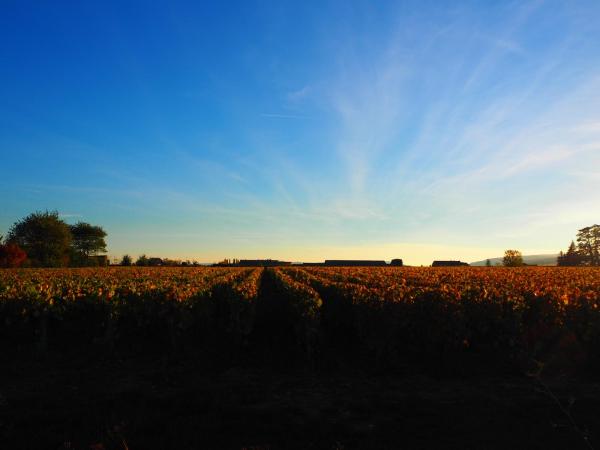
Ric visits Domaine Jean-Marc Pillot
Just when you thought Chassagne is already saturated with great producers of its famous whites, there comes another to chip away at the pie. Domaine Jean-Marc Pillot may trace its origins to Jean-Baptiste Pillot who started the domaine in 1910 which subsequently passed to his sons Henri and Alphonse. The latter’s share was passed on to Jean and, now, his son Jean-Marc has taken over entirely since 1991. Owning 11 hectares mainly in Chassagne, Jean-Marc makes stunning whites as well as gorgeous reds. His methods are not dissimilar to the purist approach: high density plantings (10,000-12,000 vines per ha), de-budding, green harvesting, horse ploughing, de-stemming (for reds) and minimum new oak (only up to 30%). The wines are left on lees for 12 months before being racked into stainless steel tanks for another 6 months. Jean-Marc believes firmly in the value of hard work and extreme precision. When we visited his cellar in the late afternoon of 30 October 2018, his workers were still busy. We also found laser beams trained at the rows of barrels because Jean-Marc wants every single barrel to be positioned in perfect alignment. He insists it makes a difference to the wines. And I believe it must be so, for the wines we tasted displayed effortless precision and elegance in their expression of terroir. This is an excellent domaine. Prices are still within easy reach though I doubt for long.
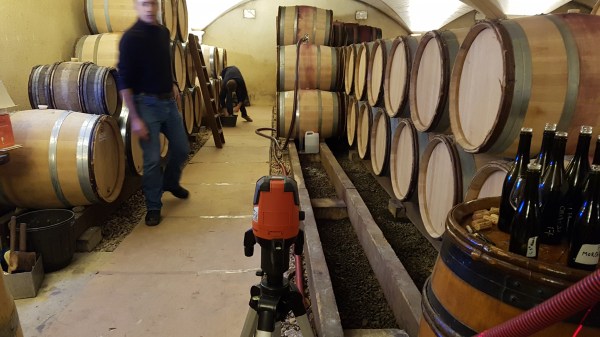
Note the laser pointer (foreground)
2017 Domaine Jean-Marc Pillot Bourgogne Blanc. Lovely aromas. Clear crystalline tones with a bit of sweetness, delicate in acidity with fine definition, very tightly structured, displaying good power with white floral tones. Very good!
2017 Maison Jean-Marc Pillot Montagny. A negociant wine. Effusive in dense white floral tones, displaying lovely depth and presence with very controlled basal minerality, not overdone. Nicely rounded with a gentle finish.
2017 Domaine Jean-Marc Pillot Saint-Romain La Perriere 1er. Grassy elements with a generous expanse of clear and yellow citrus. Very fine in acidity with overtones of raw nutmeg, displaying excellent presence and balance, finishing with excellent mouthfeel.
2017 Domaine Jean-Marc Pillot Puligny-Montrachet. Somewhat reserved on the nose but showing ample bloom of white flowers and white peppery tones on the palate. Gently structured with soft elegant tones. Should turn out to be very fine.
2017 Domaine Jean-Marc Pillot Chassagne-Montrachet. Gentle bouquet of clear citrus. Good concentration of fruit with overtones of nutmeg and white pepper, displaying clean precision with a fine minerally balance, subtly intense with a taut finish. Very good potential.
2017 Domaine Jean-Marc Pillot Chassagne-Montrachet Les Vergers 1er. Gentle notes of icing and grassy elements. Medium-bodied. Fleshy with lovely fragrance and delicacy. Refreshing.
2017 Domaine Jean-Marc Pillot Chassagne-Montrachet Morgeots 1er. Lifted broad expanse of white flowers. Rounded with good precision, very subtly layered with understated minerals. .
2017 Domaine Jean-Marc Pillot Chassagne-Montrachet Les Caillerets 1er. Lovely floral fullness on the nose with a forward fruity balance. Medium-bodied. Open in transparency with good inner definition, subtle in acidity and finish. Exudes feminine elegance. Very fine.
2017 Domaine Jean-Marc Pillot Chassagne-Montrachet Les Vergers 1er Clos Saint Marc. Effusive delicate nose of white floral tones, white fruits and nutmeg. Subtly structured with great concentration and superb detail amidst gentle notes of vanilla and cool icing. Very softly rounded, layered with excellent depth and minerality, finishing with excellent precision. Highly elegant. Superb. A special cuvee produced from a 0.5 ha walled portion of Les Vergers containing vines planted in 1910. Only 6 barrels.
2017 Domaine Jean-Marc Pillot Chevalier-Montrachet Grand Cru. Minerally bouquet of white flowers with undertones of white pepper, beautifully nuanced in rich layering of refined minerals and fruit with excellent depth and balanced acidity, superbly integrated. Excellent.
2017 Domaine Jean-Marc Pillot Chassagne-Montrachet Morgeots 1er Rouge. Deep note of wonderfully ripe raspberries, dark cherries and licorice on the nose coupled with unusual characters of preserved plums and olives on the palate though very fine in acidity, depth and layering. Very well proportioned and balanced. Excellent.
2017 Domaine Jean-Marc Pillot Chassagne-Montrachet Clos St Jean 1er Rouge. Dark raspberries and dark plums dominate on the nose with a certain raciness, saturated with ripe glossy black fruits and great acidity that conferred superb suppleness. Big but balanced. May not be everyone’s idea of Burgundy but undeniably attractive.
Jean-Marc Pillot
 Ric's Wine Journal